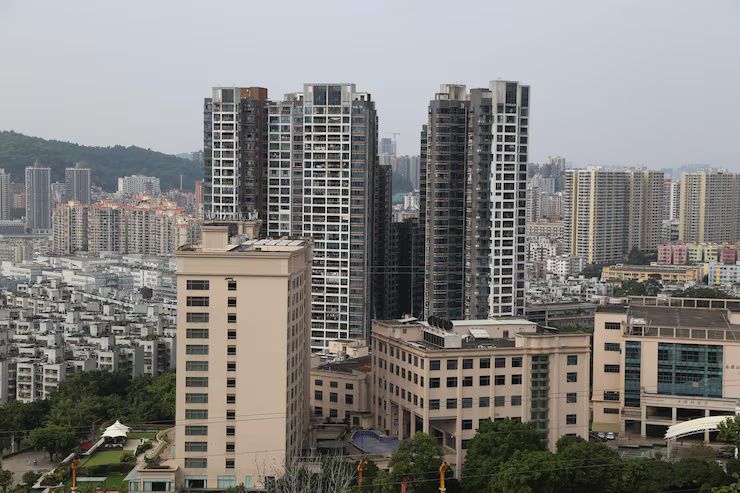
A 2 BHK apartment typically consists of two bedrooms, a hall or living room, and a kitchen, along with bathrooms and circulation space. This housing format exists to provide a practical balance between private rooms and shared living areas. In Mumbai, where land availability is limited and population density is high, apartment-based housing became essential for accommodating large numbers of residents within a compact urban footprint.
Mumbai’s evolution from a port city to a financial and commercial center drove continuous migration from across India. Traditional independent houses could not meet rising demand, especially in central and suburban areas. Multi-storey residential buildings offered an efficient solution, allowing vertical development while maintaining access to infrastructure and transport.
The 2 BHK layout emerged as a widely accepted standard because it supports small families, shared households, and long-term residents who need defined spaces for living, resting, and daily routines. Today, 2 BHK apartments form a significant part of Mumbai’s residential stock across island city areas, suburbs, and newly developing zones.
Importance: Why Layout and Space Matter Today
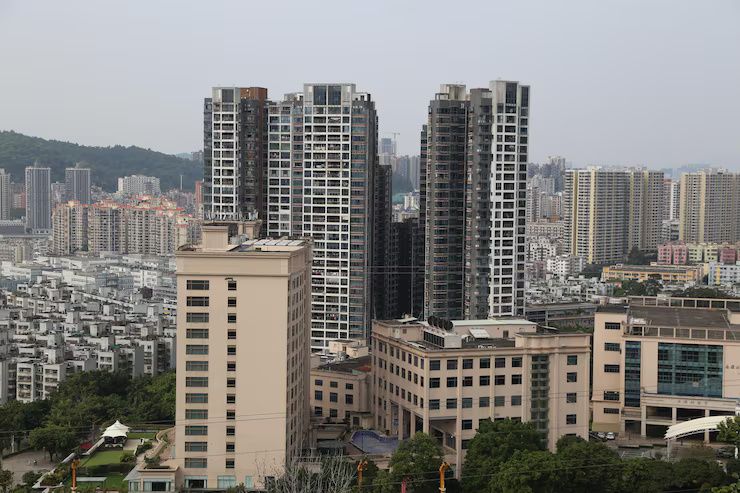
Layout and space matter greatly in Mumbai because residential units must function efficiently within limited square footage. A well-planned 2 BHK apartment helps residents manage daily life comfortably despite compact dimensions.
This topic matters because 2 BHK apartment layouts:
-
Support functional separation of private and shared areas
-
Help residents optimize limited living space
-
Enable family and shared living in dense urban settings
-
Contribute to better quality of life in high-density cities
2 BHK apartments affect residents, architects, urban planners, and civic authorities. For residents, thoughtful layouts help solve challenges related to storage, privacy, and movement within the home. For planners, standardized layouts support consistent infrastructure planning, including water supply, sanitation, and fire safety.
In Mumbai’s context, understanding layout basics helps residents appreciate how space planning adapts to one of the world’s most densely populated urban regions.
Recent Updates: Mumbai Apartment Trends in the Past Year
During 2024 and early 2025, Mumbai’s housing discussions reflected changes in infrastructure and lifestyle priorities. In early 2024, there was increased attention on redevelopment projects. Older residential buildings were discussed in the context of improved layouts, better ventilation, and more efficient use of space in new apartment designs.
In mid-2024, transit-oriented development gained prominence. Residential planning near metro corridors and suburban rail connectivity influenced apartment layouts, with greater emphasis on compact yet functional designs suited for daily commuting lifestyles.
By late 2024 and into 2025, sustainability and resilience became more visible in housing conversations. Topics such as natural lighting, cross-ventilation, and water management were increasingly highlighted, especially in relation to apartment layouts that could improve indoor comfort in Mumbai’s climate.
Another notable update involved digital planning tools. Floor plans, approvals, and resident communication increasingly used online platforms, improving transparency and understanding of apartment layouts.
Laws and Policies: Regulations Affecting Apartments in Mumbai
2 BHK apartments in Mumbai are governed by a structured framework of building regulations, urban planning policies, and real estate oversight to ensure safety, transparency, and orderly development.
Urban civic administration and building permissions are managed by the Brihanmumbai Municipal Corporation, which oversees zoning regulations, building heights, safety norms, and infrastructure standards. These rules directly influence apartment layout, spacing, and common areas.
City-level development and long-term planning are guided by the Mumbai Metropolitan Region Development Authority, which coordinates growth across the wider metropolitan region. Its policies shape where residential density is encouraged and how layouts respond to transport and infrastructure plans.
Real estate transparency and accountability are supported by the Maharashtra Real Estate Regulatory Authority, which promotes standardized documentation and disclosures. Together, these regulations define how 2 BHK apartments are designed, approved, and managed in Mumbai.
Tools and Resources: Understanding 2 BHK Layouts and Space Planning
Several educational and planning resources help residents understand apartment layouts and space usage in Mumbai. These tools focus on awareness, planning, and residential understanding rather than promotion.
Helpful tools and references include:
-
Standard apartment floor plan diagrams
-
Space utilization and room size comparison charts
-
City zoning and development plan maps
-
Public transport and connectivity planners
-
Resident association guidelines for shared spaces
The table below outlines typical components of a 2 BHK apartment and their general purpose:
| Apartment Component | General Purpose | Space Planning Focus |
|---|---|---|
| Living room | Shared family and guest space | Movement and seating flow |
| Bedrooms | Private resting areas | Privacy and storage |
| Kitchen | Food preparation and utility space | Compact efficiency |
| Bathrooms | Hygiene and daily use | Accessibility and ventilation |
| Balcony/utility | Light, air, and utility functions | Environmental comfort |
These resources help residents understand how each area contributes to overall livability within limited space.
Frequently Asked Questions About 2 BHK Apartments in Mumbai
What does 2 BHK mean in apartment layouts?
It refers to an apartment with two bedrooms, a hall or living area, and a kitchen.
Why are Mumbai 2 BHK apartments usually compact?
High population density and limited land availability require efficient use of space.
Do layouts differ between old and new buildings?
Yes, newer layouts often focus more on ventilation, natural light, and efficient circulation.
Is location important for apartment layout comfort?
Location affects noise levels, ventilation, and access to transport, which influence daily comfort.
Why are layout regulations important in Mumbai?
They ensure safety, livability, and consistency in one of the world’s densest urban environments.
Conclusion: Understanding 2 BHK Layouts in Mumbai
2 BHK apartments are a cornerstone of Mumbai’s residential landscape. Their layouts reflect how the city adapts housing design to extreme density, limited land, and diverse household needs. Every room and passage serves a defined purpose, making space planning essential to daily comfort.
By understanding the context, importance, recent trends, regulatory framework, and educational resources related to 2 BHK apartment layouts in Mumbai, readers gain a clearer view of urban housing realities. These apartments are not just compact homes but carefully planned living spaces that support millions of residents in one of India’s most dynamic metropolitan cities.