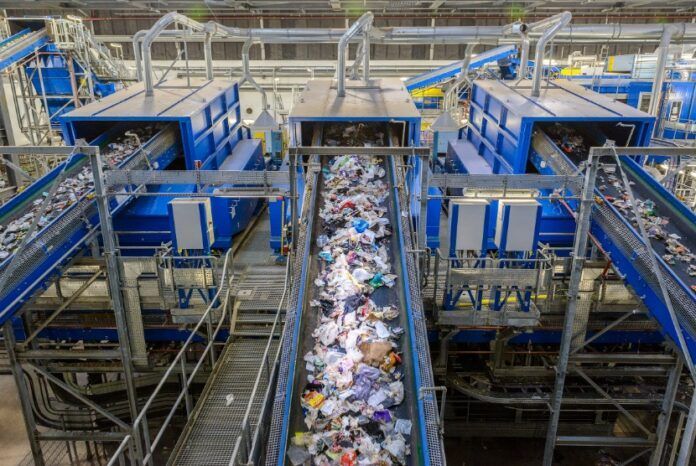
Recycling machines are essential tools used to process waste materials into reusable resources. These machines are designed to handle various materials such as plastic, metal, glass, paper, and organic waste. They reduce the need for raw material extraction and help lower greenhouse gas emissions. The global push for sustainability has made these machines more relevant than ever, especially with increasing waste generation in urban and industrial areas.
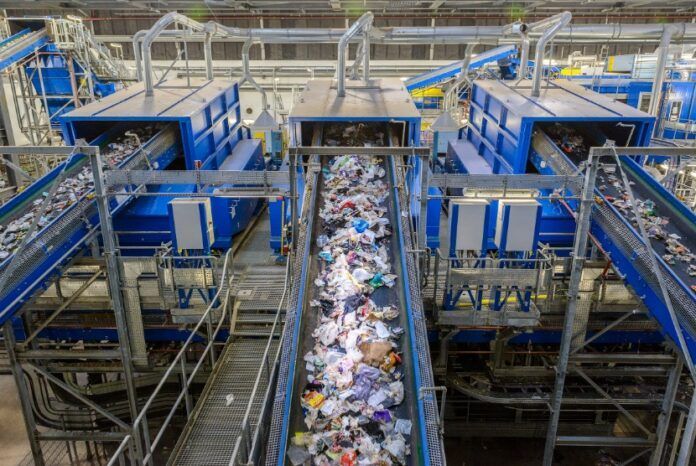
Today, recycling isn’t just about sorting waste at home machines play a major role in material recovery facilities (MRFs), recycling centers, and industrial plants. Their goal is simple: transform waste into something useful again, efficiently and safely.
Why Recycling Machines Matter Today
Recycling machines address some of the most urgent environmental challenges we face:
-
Waste Accumulation: Global solid waste generation is expected to reach 3.4 billion tons annually by 2050, according to the World Bank. Recycling machines help reduce landfill pressure.
-
Resource Conservation: These machines allow recovered materials to re-enter production cycles, preserving raw materials like oil, metals, and timber.
-
Pollution Control: Proper recycling prevents materials like plastics and electronics from releasing harmful toxins into the environment.
-
Energy Efficiency: Using recycled materials often consumes less energy than producing new ones from scratch. For example, recycling aluminum saves up to 95% of the energy required to make it from bauxite ore.
-
Economic Opportunities: Recycling industries create jobs in sorting, transportation, processing, and innovation.
Industries, municipalities, and even households are increasingly depending on recycling technology to promote circular economy practices.
Recent Developments in Recycling Machines (2024–2025)
The past year has seen notable innovations and changes in recycling machine technology:
-
AI and Robotics Integration: Smart sorting machines using artificial intelligence (AI) and computer vision now sort materials more accurately. Companies like AMP Robotics (USA) and ZenRobotics (Finland) have introduced AI-based robots that boost speed and precision.
-
Compact and Mobile Units: New portable recycling units are being used in construction and rural areas, offering onsite recycling for plastics, wood, and even bricks.
-
Plastic-to-Fuel Machines: These units convert non-recyclable plastics into usable fuel through pyrolysis—an emerging trend in several countries including Japan and India.
-
Upcycling Innovations: Machines that not only recycle but also enhance material properties (e.g., converting used textiles into high-quality fibers) are gaining popularity.
-
Government Subsidies: Many governments have introduced financial incentives or subsidies for small businesses to install recycling equipment (e.g., India’s 2024 MSME Recycling Support Scheme).
These changes reflect a growing emphasis on decentralized, tech-driven, and cost-effective recycling solutions.
Legal Frameworks and Government Policies
Recycling practices are strongly influenced by national and international policies. Some notable examples:
| Country/Region | Key Policy | Impact |
|---|---|---|
| European Union | Circular Economy Action Plan (2020, updated 2023) | Sets targets for recycling and reducing landfill use. Enforces Extended Producer Responsibility (EPR). |
| United States | Save Our Seas 2.0 Act (2020) & EPA National Recycling Strategy (updated 2024) | Encourages innovation in plastic waste recycling and infrastructure upgrades. |
| India | Plastic Waste Management Rules (2016, amended 2022) | Mandates recycling rates, bans on single-use plastic, and EPR enforcement. |
| Japan | Containers and Packaging Recycling Law | Requires manufacturers to collect and recycle packaging waste. |
| Australia | National Waste Policy Action Plan (updated 2023) | Includes targets for recycling and resource recovery across all states. |
Useful Tools and Resources
For beginners and professionals alike, several tools and services can help in understanding and using recycling machines effectively:
-
Recycling Near You – An Australian resource to find local recycling centers and what machines are used.
-
Plastics Recycling Calculator (U.S. EPA) – Calculates environmental benefits of recycling plastics.
-
WasteAid Toolkit – A global resource offering free guides on small-scale recycling equipment for developing countries.
-
Recykal (India) – A digital platform that connects users to recyclers, offering pickup and tracking of recyclable waste.
-
ISRI Specifications Guide – Provides international standards for scrap material processing.
These platforms help individuals, businesses, and municipalities plan better recycling operations.
Common Types of Recycling Machines and Their Functions
Below is a simplified table explaining key machine types:
| Machine Type | Function | Materials Handled |
|---|---|---|
| Shredders | Cut materials into small pieces for further processing | Plastics, metals, e-waste |
| Balers | Compress materials into compact bales for transport | Paper, cardboard, plastics |
| Granulators | Break down materials into granules or pellets | Plastics, rubber |
| Optical Sorters | Use light sensors to identify and sort materials | Plastics, glass, paper |
| Eddy Current Separators | Use magnets to separate non-ferrous metals | Aluminum, copper |
| Compactors | Reduce volume of soft waste for easy handling | General waste, packaging |
| Pyrolysis Units | Heat plastics without oxygen to create fuel | Non-recyclable plastics |
Frequently Asked Questions (FAQs)
Q1: Can recycling machines be used at home?
Yes, small-scale recycling machines like plastic shredders, glass crushers, and composting units are available for residential or small-business use. However, they require basic safety precautions and maintenance.
Q2: What materials cannot be recycled with machines?
Items like soiled food containers, mixed-material packaging (e.g., chip bags), and certain thermoset plastics are difficult to process using conventional machines.
Q3: Are recycling machines expensive?
Costs vary based on size and type. Basic compact machines may cost under $1,000, while industrial units can range from $10,000 to over $100,000. Some governments offer financial support or subsidies for eco-friendly investments.
Q4: What is the lifespan of a recycling machine?
With proper maintenance, most machines last between 7 to 15 years. Durability depends on usage intensity, quality of materials, and service frequency.
Q5: Do recycling machines require skilled operators?
While basic units may be user-friendly, industrial machines often require trained staff for safe and effective operation, especially when dealing with complex materials or automated systems.
Final Thoughts
Recycling machines are more than just tools they're critical components in global efforts to reduce waste and preserve resources. Whether in industrial recycling plants or small-scale operations, these machines support a more circular economy and contribute to environmental health.
With growing policy support, technological advancements, and increasing public awareness, recycling machines will continue to play a pivotal role in shaping a cleaner, more sustainable future.
This beginner’s guide is a helpful first step for anyone looking to understand how these machines work and how they fit into the broader waste management ecosystem.