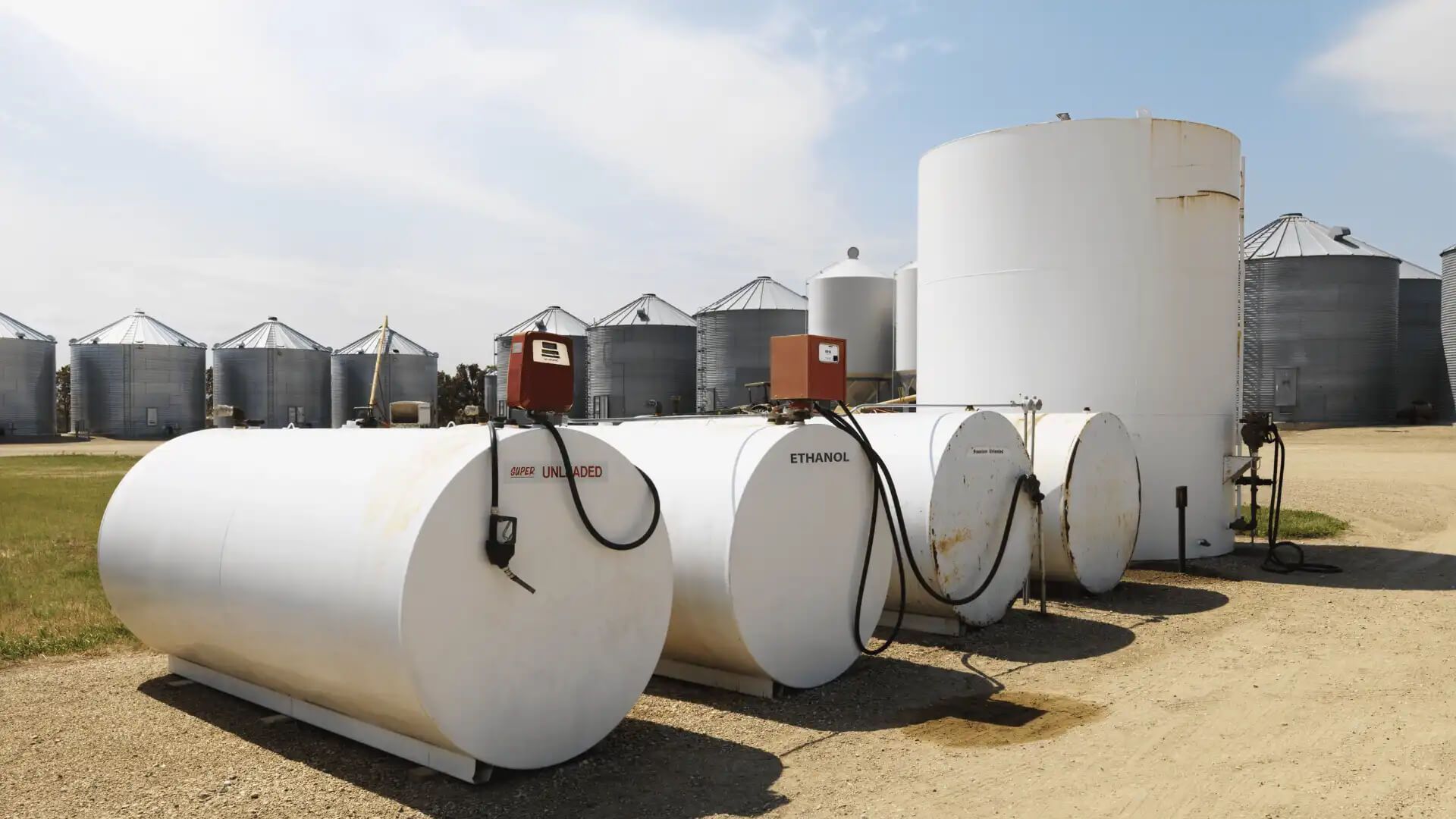
Storing fuel may seem like a straightforward task, but it involves more than just keeping containers filled and ready. Whether it’s for residential generators, industrial operations, farming equipment, or transportation fleets, proper fuel storage is essential for safety, efficiency, and cost savings. This guide provides a simple and clear overview of how to manage fuel storage safely and effectively especially in a time where regulations, environmental concerns, and fuel prices are constantly shifting.
Fuel storage refers to the systems, containers, and facilities used to store different types of fuels—such as diesel, gasoline, kerosene, or biodiesel for future use. These storage systems range from small portable tanks to large underground or above-ground fuel tanks used in industries like agriculture, transportation, construction, and manufacturing.
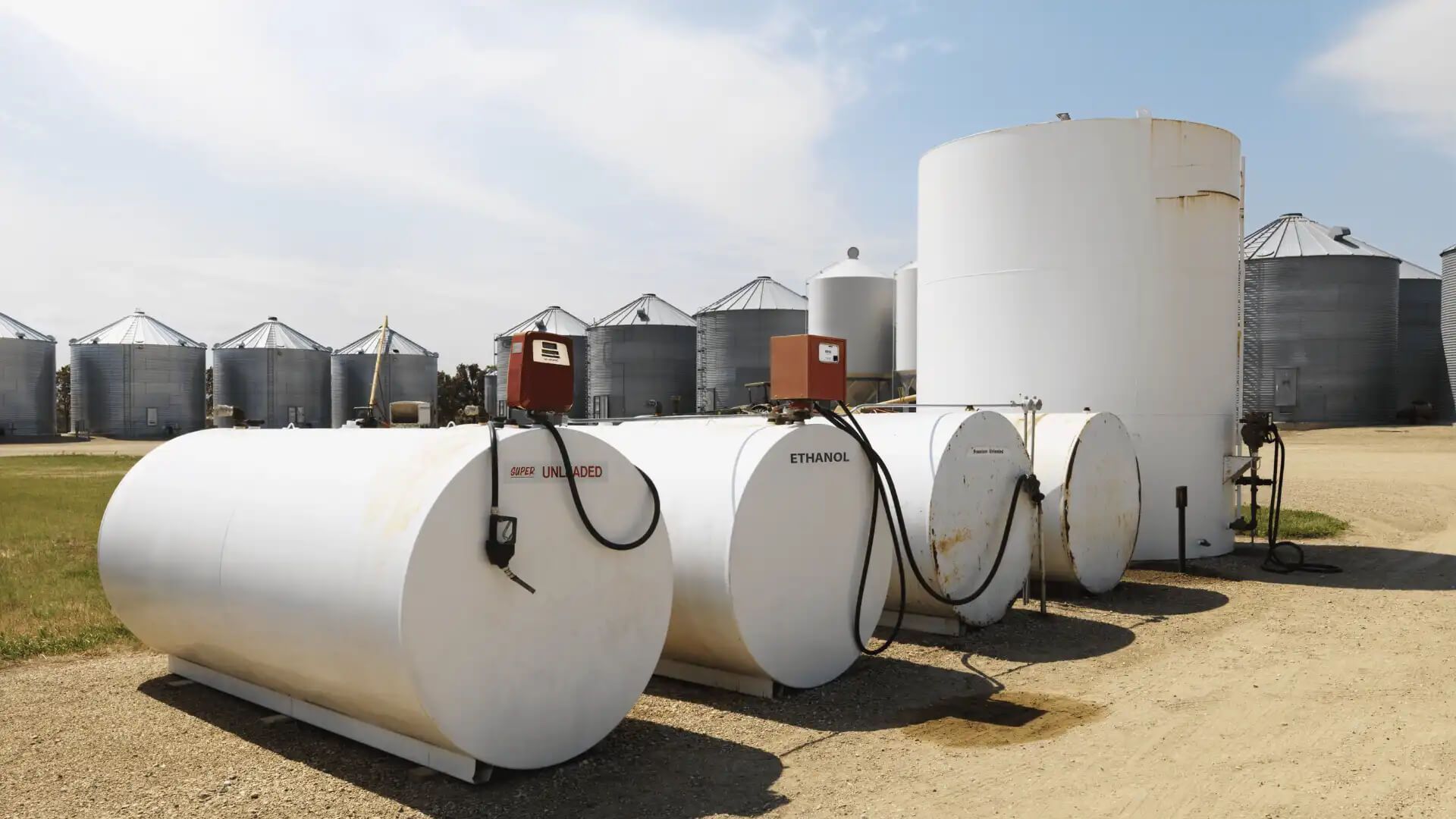
Proper storage exists for two key reasons: safety and supply readiness. Improperly stored fuel can lead to fire hazards, leaks, or contamination. On the other hand, having fuel readily available can prevent downtime during power outages, streamline operations, and support emergency preparedness.
Why Safe Fuel Storage Matters Today
Safe and efficient fuel storage plays a vital role in everyday life and across multiple sectors. Here’s why this topic is increasingly relevant:
-
Energy Reliability: With unstable energy grids in some regions, fuel-powered generators are essential backup sources.
-
Disaster Preparedness: In areas prone to natural disasters, having stored fuel can support emergency response and evacuation.
-
Industrial and Agricultural Operations: These sectors often operate in remote areas without steady fuel supply chains.
-
Rising Fuel Prices: Storing fuel when prices are low can lead to cost savings if done legally and safely.
Common Problems That Proper Fuel Storage Solves
-
Accidental fires due to improper storage containers
-
Equipment failure caused by contaminated or degraded fuel
-
Operational downtime from running out of fuel unexpectedly
-
Environmental damage from leaking storage tanks
Recent Trends and Changes in Fuel Storage (2024–2025)
Over the past year, the fuel storage landscape has evolved due to environmental concerns, technological innovation, and policy updates. Here are a few notable trends:
Rise of Smart Fuel Monitoring Systems
In 2024, many fuel-dependent businesses adopted IoT-based fuel monitoring systems. These tools provide real-time data on fuel levels, temperature, and tank health to avoid manual checks and reduce risks of spillage or theft.
Increased Focus on Biofuels
More facilities are integrating biodiesel or ethanol-blended fuels into storage systems due to stricter emissions regulations and renewable fuel incentives, particularly in countries like the U.S., India, and parts of the EU.
Updates in Fuel Tank Standards
In late 2023, updates to UL-142 and UL-2085 standards in North America introduced tighter guidelines for double-walled steel tanks and fire-resistant designs.
Global Supply Chain Disruptions
The fuel supply disruptions of early 2024 pushed many businesses to revisit their storage capacities and on-site reserves, leading to increased sales of modular fuel tanks and flexible bladder tanks.
Legal and Regulatory Landscape
Fuel storage is subject to various national and regional regulations, which aim to prevent accidents, protect the environment, and ensure responsible usage. These regulations differ by location but often share common elements.
Common Regulatory Areas Include:
-
Tank Installation Codes: How and where tanks can be placed (e.g., above-ground vs. underground)
-
Spill Containment Requirements: Secondary containment systems like berms or sumps
-
Fire Safety Standards: Including spacing, grounding, and flame arrestors
-
Permitting and Reporting: Some jurisdictions require annual inspections or leak detection reports
| Region | Key Regulations |
|---|---|
| United States | EPA 40 CFR Part 112 (SPCC rule), NFPA 30, OSHA fuel storage requirements |
| European Union | EN 12285 (steel tanks), local environmental directives per member state |
| India | Petroleum Rules, 2002; PESO guidelines for bulk and retail fuel storage |
| Australia | AS 1940:2017 for storage and handling of flammable and combustible liquids |
Tools and Resources for Better Fuel Storage
Managing fuel safely requires both physical systems and digital tools. Below are some helpful resources:
Fuel Storage Tools and Accessories:
-
Double-walled storage tanks for added protection
-
Fuel stabilizers to prolong shelf life
-
Spill containment kits for emergencies
-
Automatic tank gauges (ATGs) for level and leak detection
Useful Apps and Websites:
-
FuelCloud – Cloud-based fuel management system for real-time tracking
-
Veeder-Root – Remote tank monitoring solutions
-
MyTankApp – Mobile app for checking fuel levels and usage logs
Educational Resources:
Frequently Asked Questions (FAQs)
1. How long can fuel be stored safely?
It depends on the type. Unstabilized gasoline may last 3–6 months, while diesel can last up to a year with additives. Always check with manufacturers and use stabilizers to extend shelf life.
2. Is it legal to store fuel at home?
In small quantities, yes—usually under 25 liters—if using certified containers and following local fire safety codes. Larger quantities may require permits or special storage setups.
3. What are the risks of poor fuel storage?
Risks include fire hazards, fuel degradation, equipment damage, environmental contamination, and legal penalties.
4. How do I know what tank to choose?
Factors include your fuel type, storage volume, location (above-ground or underground), regulatory requirements, and how often you’ll access the fuel.
5. What’s the difference between above-ground and underground tanks?
Above-ground tanks are easier to inspect and maintain but may be more vulnerable to damage. Underground tanks save space and may be safer from fire exposure but can be costly to install and monitor for leaks.
Final Thoughts
Safe and efficient fuel storage is more than a convenience it’s a critical component of personal safety, operational stability, and environmental responsibility. Whether you're a homeowner with a backup generator or a business managing a fleet, understanding the basics of fuel storage can help you avoid risks, save costs, and stay compliant with the law.
By using the right equipment, staying updated on local regulations, and adopting digital monitoring tools, you can make informed, responsible decisions about how to store and use fuel effectively.