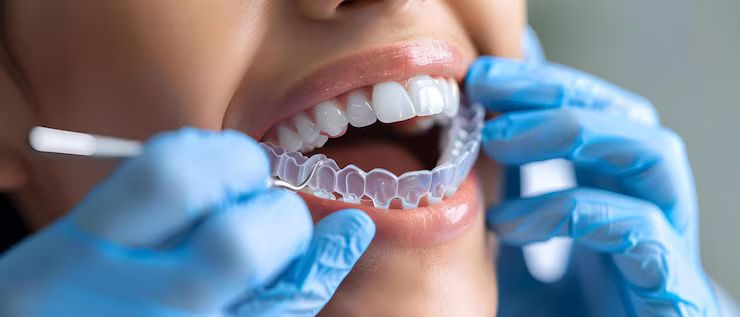
Clear aligners and transparent braces are modern orthodontic solutions designed to straighten teeth and improve dental alignment in a less noticeable way than traditional metal braces. These systems fall under the broader category of orthodontic aligners, which use controlled force to gradually shift teeth into their desired position over time.
The concept of aligning teeth is not new. Conventional braces have been used for decades, relying on brackets and wires to move teeth. However, advancements in dental materials and digital planning have led to the development of clear aligners treatment, which uses a series of removable, custom-made trays. These trays are typically made from transparent plastic, making them less visible during everyday activities.
Transparent braces may refer to either clear aligners or ceramic braces, which use tooth-colored brackets. While both aim to be discreet, clear aligners have gained attention due to their removability and smoother appearance. Understanding how do clear aligners work and how they differ from other orthodontic options helps individuals make informed decisions about dental care.
Importance
Dental alignment is not only about appearance; it also plays a role in oral health. Misaligned teeth can contribute to issues such as difficulty cleaning, uneven wear, and jaw discomfort. Clear aligners treatment addresses these concerns by gradually repositioning teeth into better alignment.
This topic matters for a wide range of people, including teenagers and adults who may prefer a less noticeable orthodontic option. Many individuals seek alternatives to traditional braces due to lifestyle, comfort, or aesthetic considerations. Orthodontic aligners provide a flexible approach that can fit into daily routines more easily.
Some common challenges that clear aligners help address include:
- Crowding: when teeth overlap due to limited space
- Spacing: gaps between teeth
- Overbite: upper teeth overlap the lower teeth excessively
- Underbite: lower teeth extend beyond the upper teeth
- Crossbite: misalignment of upper and lower teeth
By addressing these conditions, clear aligners can support both functional and cosmetic improvements. The ability to remove the aligners during meals and oral hygiene routines also encourages better dental care habits.
Recent Updates
From 2024 to 2026, the field of orthodontics has seen steady advancements in digital technology and material science. Clear aligners treatment has benefited from improved scanning techniques, allowing for more precise digital impressions of teeth. This reduces the need for traditional molds and enhances treatment planning accuracy.
Another development is the use of artificial intelligence in treatment simulation. Software tools can now predict tooth movement more accurately, enabling orthodontists to design more efficient sequences of aligners. This has contributed to shorter treatment durations in some cases, depending on the complexity of alignment.
Materials used in transparent braces and aligners have also evolved. Newer polymers are designed to maintain consistent force while improving comfort. Some aligners now include features like attachments or small tooth-colored bumps that help guide specific movements more effectively.
Additionally, remote monitoring tools have become more common. Patients can share progress updates through digital platforms, allowing orthodontists to track treatment without requiring frequent in-person visits. This approach supports convenience while maintaining oversight.
Overall, the trend indicates a shift toward more personalized and digitally guided orthodontic care.
Laws or Policies
In India, orthodontic treatments, including clear aligners and transparent braces, are regulated under broader dental care standards. Dental professionals must be registered with the Dental Council of India (DCI), which oversees education and practice standards for dentists and orthodontists.
Clear aligners treatment is considered a medical procedure and should be carried out under the supervision of a qualified dental professional. Regulations emphasize the importance of proper diagnosis, treatment planning, and follow-up care.
Key regulatory aspects include:
- Professional qualification: Only licensed dentists or orthodontists can prescribe and monitor orthodontic aligners
- Patient consent: Individuals must be informed about the procedure, expected outcomes, and limitations
- Medical records: Proper documentation of treatment plans and progress is required
- Advertising guidelines: Claims related to dental treatments must be factual and not misleading
Direct-to-consumer models that bypass professional supervision have faced scrutiny, as unsupervised orthodontic treatment may lead to complications. Regulatory bodies encourage individuals to consult qualified professionals before starting any clear aligners treatment.
These policies aim to ensure patient safety and maintain standards of care in orthodontics.
Tools and Resources
Several tools and platforms support individuals considering or undergoing clear aligners treatment. These resources help with understanding the process, tracking progress, and maintaining oral health.
Digital Smile Simulation Tools
Many dental clinics use software to simulate how teeth may look after treatment. These tools provide a visual representation of expected alignment changes based on digital scans.
Oral Hygiene Apps
Mobile applications can help users maintain consistent oral care routines. Features often include reminders for brushing, flossing, and aligner cleaning.
Treatment Tracking Platforms
Some orthodontic providers use online portals or apps where patients can:
- Upload progress photos
- Receive feedback from professionals
- Access treatment schedules
Educational Websites
Reliable health websites provide general information about orthodontic aligners, including how do clear aligners work and what to expect during treatment. These platforms often include diagrams, videos, and patient guides.
Comparison Table of Orthodontic Options
| Feature | Clear Aligners | Transparent Braces (Ceramic) | Metal Braces |
|---|---|---|---|
| Visibility | Low | Moderate | High |
| Removability | Yes | No | No |
| Comfort | Generally smooth | May cause mild irritation | May cause irritation |
| Cleaning | Easier (removable) | Requires careful brushing | Requires careful brushing |
| Suitable for complex cases | Moderate to complex | Complex | Complex |
This table provides a general overview and may vary depending on individual cases.
FAQs
How do clear aligners work?
Clear aligners work by applying gentle, controlled pressure to teeth over time. A series of custom-made trays is created based on digital scans. Each set of aligners is worn for a specific period before moving to the next, gradually shifting teeth into alignment.
What are the benefits of clear aligners compared to traditional braces?
Some benefits of clear aligners include a less noticeable appearance, the ability to remove them during meals, and easier cleaning. They may also reduce irritation since they do not use metal brackets or wires.
Are orthodontic aligners suitable for all dental conditions?
Orthodontic aligners can address many common alignment issues, but not all cases. Complex conditions may still require traditional braces or other treatments. A dental professional can determine suitability based on individual needs.
How long does clear aligners treatment usually take?
The duration of clear aligners treatment varies depending on the severity of the alignment issue. Some treatments may take several months, while others may extend over a longer period. Consistent wear of aligners is important for progress.
What should be considered when choosing transparent braces or clear aligners?
Factors to consider include the type of dental issue, lifestyle preferences, and the level of maintenance required. Consulting a qualified professional helps in understanding which option aligns with specific dental conditions.
Conclusion
Clear aligners and transparent braces represent modern approaches to orthodontic care, combining functionality with a more discreet appearance. These systems use gradual force to align teeth and address common dental concerns. Advances in digital technology and materials have improved treatment planning and comfort. Regulations ensure that treatments are carried out safely under professional supervision. Understanding the process, benefits, and limitations helps individuals make informed decisions about orthodontic aligners.