Industrial raw materials form the foundation of modern economies. These materials—such as metals, minerals, chemicals, and agricultural inputs—are extracted, processed, and transformed into components used across industries like construction, manufacturing, energy, and technology. The processes involved in industrial raw material manufacturing are complex and often span multiple stages, from extraction to final processing.
The raw material production process typically begins with sourcing natural resources from the earth or other environments. This includes mining, drilling, harvesting, or collecting materials in their raw state. After extraction, these materials undergo industrial material processing to refine, purify, or convert them into usable forms. For example, iron ore is processed into steel, and crude oil is refined into fuels and petrochemicals.
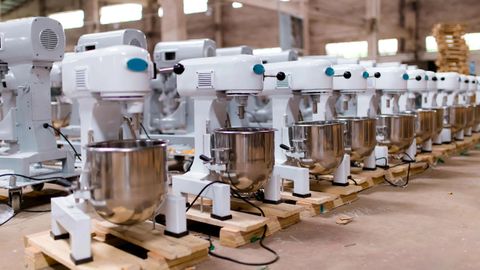
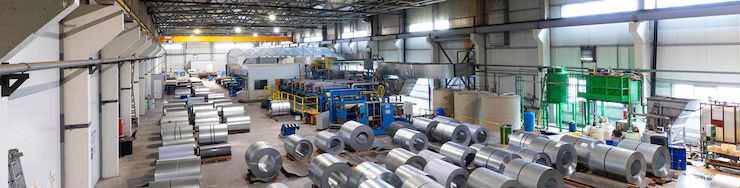
Bulk material manufacturing plays a central role in meeting large-scale industrial demand. It focuses on producing materials in high volumes while maintaining consistent quality. This is essential for industries that rely on steady supplies, such as infrastructure development and mass production.
In addition to physical processes, raw material supply chain management ensures that materials move efficiently from extraction sites to processing facilities and eventually to manufacturers. This includes logistics, storage, inventory planning, and coordination between multiple stakeholders.
Understanding how mining raw materials processing and manufacturing systems work provides insight into how everyday products are created and how global industries remain interconnected.
Importance
The production and processing of industrial raw materials are essential for economic development and daily life. Almost every product—from smartphones to buildings—relies on raw materials that have undergone multiple stages of transformation.
One key reason this topic matters is its impact on infrastructure. Materials like cement, steel, and aggregates are fundamental to roads, bridges, and housing. Without efficient bulk material manufacturing, construction projects would face delays and resource shortages.
Another important aspect is energy production. Fossil fuels, minerals for batteries, and renewable energy components all depend on effective raw material production processes. For instance, lithium and cobalt are critical for energy storage systems, and their extraction and processing influence the availability of clean energy technologies.
The topic also affects environmental sustainability. Mining raw materials processing can lead to land degradation, water use challenges, and emissions if not managed carefully. As a result, industries are under increasing pressure to adopt cleaner technologies and reduce environmental impact.
From an economic perspective, raw material supply chain management plays a vital role in stabilizing industries. Disruptions in supply chains—caused by geopolitical factors, natural events, or logistical issues—can affect production timelines and product availability.
For everyday people, these processes influence the availability and reliability of goods. Efficient industrial material processing ensures that products meet safety standards and perform as expected.
Recent Updates
In recent years, several trends have shaped the landscape of industrial raw material manufacturing and processing.
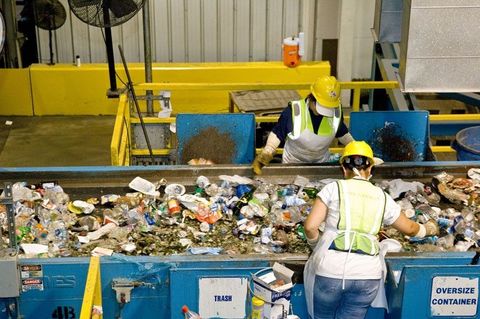
One major development is the increased focus on sustainability. Industries are adopting practices such as recycling, waste reduction, and energy-efficient processing methods. For example, the use of secondary raw materials—recycled metals and plastics—has grown as companies aim to reduce reliance on newly extracted resources.
Digital transformation is another significant trend. Technologies like automation, artificial intelligence, and data analytics are being integrated into the raw material production process. These tools help monitor operations, improve efficiency, and reduce errors. Predictive maintenance systems, for instance, can identify equipment issues before they lead to downtime.
Supply chain resilience has also become a priority. Global events have highlighted the importance of stable raw material supply chain management. Companies are diversifying sourcing strategies and investing in local processing facilities to reduce dependency on specific regions.
Additionally, there is growing attention to critical minerals. Materials used in electronics, renewable energy systems, and advanced manufacturing are now considered strategically important. Governments and industries are working to secure stable supplies of these resources through exploration and improved mining raw materials processing techniques.
Environmental regulations and reporting requirements have also become stricter. Companies are expected to track emissions, manage waste responsibly, and ensure transparency in their operations.
Laws or Policies
The production and processing of industrial raw materials are regulated by various laws and policies to ensure safety, environmental protection, and fair resource use.
In India, several key regulations influence industrial raw material manufacturing. The Mines and Minerals (Development and Regulation) Act governs the exploration and extraction of minerals. It outlines licensing procedures, operational guidelines, and responsibilities for mining activities.
Environmental protection is addressed through laws such as the Environment (Protection) Act. This legislation sets standards for emissions, waste management, and environmental impact assessments. Companies involved in mining raw materials processing must obtain approvals before starting operations and comply with ongoing monitoring requirements.
Labor safety is another critical area. Regulations ensure that workers in mining and processing facilities operate under safe conditions. This includes guidelines for equipment use, hazard management, and emergency response.
Policies related to industrial development also play a role. Government initiatives often aim to improve infrastructure, encourage domestic manufacturing, and enhance raw material supply chain management. These policies may include incentives for adopting cleaner technologies or improving efficiency in bulk material manufacturing.
International agreements and standards can also influence local practices. For example, guidelines on sustainable mining and responsible sourcing are increasingly adopted by companies operating in global markets.
Tools and Resources
Various tools and resources support the efficient production and processing of industrial raw materials. These tools help industries plan operations, manage resources, and improve outcomes.
Digital Monitoring Systems
Modern industrial facilities use software platforms to monitor production processes in real time. These systems track variables such as temperature, pressure, and output levels, helping maintain consistency in industrial material processing.
Supply Chain Management Platforms
Digital tools assist in coordinating logistics, inventory, and transportation. They improve visibility across the raw material supply chain management process and help reduce delays.
Geographic Information Systems (GIS)
GIS tools are widely used in mining raw materials processing. They help identify resource locations, plan extraction activities, and analyze environmental impact.
Process Simulation Software
Simulation tools allow engineers to model different scenarios in the raw material production process. This helps optimize workflows and identify potential inefficiencies before implementation.
Environmental Monitoring Tools
These tools measure emissions, water usage, and waste generation. They support compliance with environmental regulations and help industries adopt more sustainable practices.
Below is a simple table summarizing key stages and tools used in industrial raw material manufacturing:
| Stage | Description | Common Tools Used |
|---|---|---|
| Extraction | Gathering raw materials from natural sources | Drilling equipment, GIS systems |
| Processing | Refining and converting materials | Crushers, furnaces, simulation tools |
| Manufacturing | Producing bulk materials | Automated production systems |
| Distribution | Transporting materials to industries | Supply chain platforms, logistics tools |
| Monitoring and Compliance | Ensuring standards and regulations are met | Environmental sensors, reporting tools |
These tools collectively enhance efficiency, reduce waste, and improve the reliability of industrial operations.
FAQs
What is industrial raw material manufacturing?
Industrial raw material manufacturing refers to the process of converting natural resources into usable materials for industries. This includes extraction, refining, and large-scale production of materials like metals, chemicals, and minerals.
How does the raw material production process work?
The raw material production process involves several stages, including extraction, processing, and manufacturing. Materials are first sourced from nature, then refined through industrial material processing, and finally produced in bulk for industrial use.
Why is raw material supply chain management important?
Raw material supply chain management ensures that materials move efficiently from extraction sites to processing facilities and manufacturers. It helps maintain consistent production and reduces disruptions in industrial operations.
What is mining raw materials processing?
Mining raw materials processing involves extracting minerals from the earth and refining them into usable forms. This includes crushing, sorting, and chemical treatment to remove impurities and prepare materials for manufacturing.
What is bulk material manufacturing used for?
Bulk material manufacturing focuses on producing large quantities of materials such as cement, steel, and chemicals. These materials are essential for construction, infrastructure, and various industrial applications.
Conclusion
Industrial raw material production and processing are essential components of modern industry. They involve multiple stages, from extraction to manufacturing, supported by advanced tools and systems. Efficient processes and strong supply chain management help ensure consistent material availability. At the same time, regulations and evolving technologies are shaping more sustainable and responsible practices. Understanding these systems provides a clearer view of how industries function and how everyday products are made.