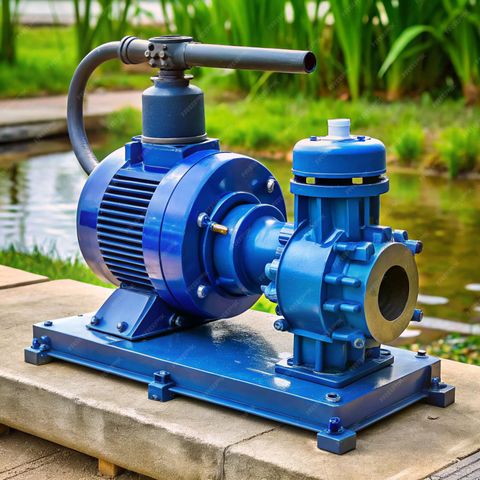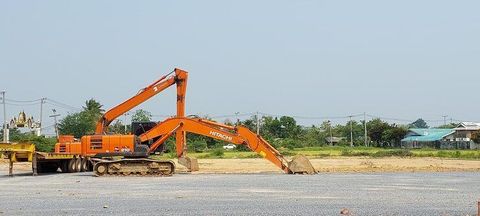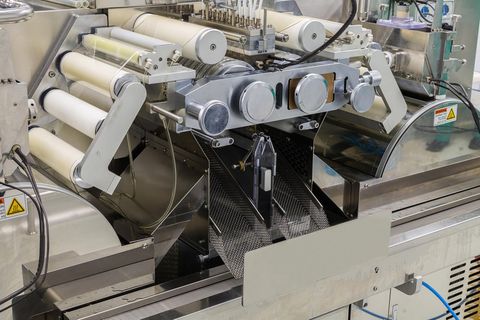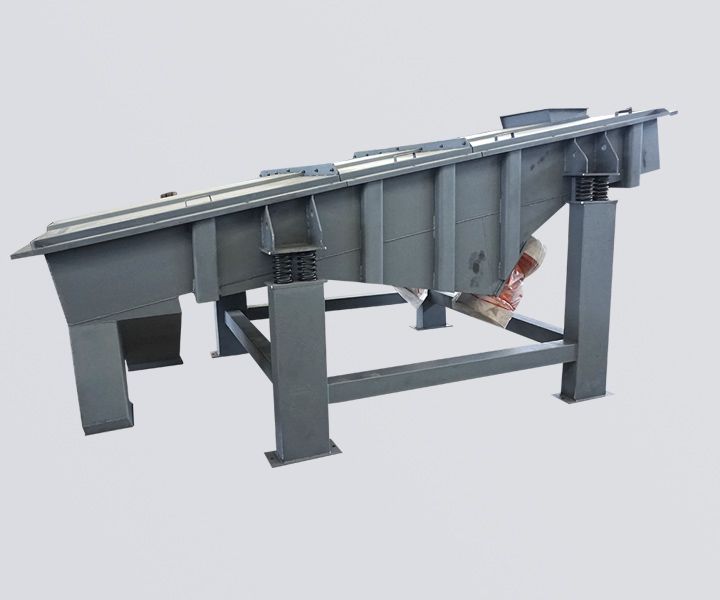
Sand screening machines are mechanical devices used to separate sand into different particle sizes. This process is essential in construction, mining, and material processing, where uniform sand size improves the quality of concrete, plaster, and other building materials. A sand screening machine works by passing raw sand through a mesh or series of screens to filter out unwanted materials such as stones, debris, or oversized particles.
Historically, sand screening was done manually using simple sieves. As construction activity expanded, especially in urban areas, manual methods became inefficient for handling large volumes. This led to the development of automated sand screening equipment that could process higher quantities with greater consistency.
Today, different sand screening machine types are available to suit various applications. These range from small portable units used in local construction sites to heavy duty sand screening machines used in industrial-scale operations. Each type operates on a specific mechanism designed to achieve efficient separation based on particle size.
Importance
Sand screening machines play a critical role in ensuring material quality across multiple industries. In construction, properly screened sand contributes to stronger and more durable structures. Inconsistent particle sizes can weaken concrete and lead to structural issues over time.
For everyday infrastructure such as roads, buildings, and drainage systems, screened sand ensures uniformity and stability. Without proper screening, materials may contain impurities like clay, organic matter, or large stones, which can negatively affect performance.
Key reasons why sand screening technology matters include:
- Material consistency: Uniform sand size improves mixing and bonding in construction materials
- Efficiency: Automated machines process large volumes faster than manual methods
- Waste reduction: Removes unusable materials, reducing material loss
- Labor reduction: Minimizes the need for manual sorting and handling
Different sectors benefit from sand screening equipment:
- Construction industry: For concrete, plastering, and masonry
- Mining operations: For separating valuable minerals from raw material
- Infrastructure projects: For road base and foundation work
The growing demand for infrastructure development has increased reliance on efficient sand screening machine working principles to maintain quality and productivity.
Recent Updates
Between 2024 and 2026, sand screening technology has seen gradual improvements focused on efficiency, energy use, and automation. While the core mechanisms remain similar, newer designs incorporate features that improve usability and output consistency.
One noticeable trend is the integration of automated control systems. Modern sand screening machines may include digital panels that allow operators to adjust vibration speed, screen angle, and feed rate. This helps achieve more precise separation.
Another development is the use of modular designs. Machines can now be assembled in sections, making them easier to transport and install. This is particularly useful for temporary construction sites.
Environmental considerations have also influenced design changes. Manufacturers are focusing on reducing dust emissions and noise levels. Some machines now include enclosed screening chambers or dust suppression systems.
Advancements in materials have improved durability. Screens made from high-strength alloys or synthetic materials last longer and resist wear from abrasive sand particles. This is especially important for heavy duty sand screening machines used in continuous operations.
Overall, the trend is toward more adaptable, durable, and efficient equipment that can handle varying workloads with minimal manual intervention.
Laws or Policies
Sand screening machines are indirectly regulated through broader environmental and construction-related laws. In countries like India, where construction and mining activities are widespread, several regulations influence how sand screening equipment is used.
Environmental regulations focus on controlling dust, noise, and land impact. Operators may need to comply with guidelines issued by bodies such as the Ministry of Environment, Forest and Climate Change (MoEFCC). These rules often require measures to reduce air pollution and manage waste materials.
Mining regulations also affect sand processing. The extraction and handling of sand are governed by state-level mining policies, which may include restrictions on where and how sand can be processed.
Workplace safety standards are another important aspect. Guidelines from organizations like the Directorate General Factory Advice Service & Labour Institutes (DGFASLI) emphasize safe machinery operation. This includes proper guarding of moving parts, regular maintenance, and worker training.
Key regulatory considerations include:
- Dust control measures to reduce air pollution
- Noise limits in residential or urban areas
- Safe machine operation standards
- Compliance with local mining and material handling rules
While these policies do not always target sand screening machines specifically, they shape how sand screening technology is implemented in real-world settings.
Tools and Resources
Understanding and selecting appropriate sand screening equipment can be supported by various tools and resources. These help users evaluate machine performance, plan operations, and maintain equipment effectively.
Common tools and resources include:
- Screening efficiency calculators: These estimate how effectively a machine separates materials based on input size and screen specifications
- Material gradation charts: Used to understand particle size distribution and determine suitable screen mesh sizes
- Equipment manuals: Provide detailed instructions on operation, maintenance, and safety
- Industry standards: Documents from organizations such as BIS (Bureau of Indian Standards) that define acceptable material quality
Digital platforms also provide access to technical specifications and comparisons of different sand screening machine types. These resources help users understand how features like screen size, motor capacity, and throughput affect performance.
Below is a simple comparison of common sand screening machine types:
| Machine Type | Working Mechanism | Typical Use Case | Mobility |
|---|---|---|---|
| Vibratory screening machine | Uses vibration to separate | General construction sand screening | Portable/static |
| Rotary sand screening machine | Rotating drum separates particles | Large-scale sand processing | Usually static |
| Inclined screen machine | Gravity-assisted screening | Medium-scale operations | Semi-mobile |
| Heavy duty sand screening machine | Reinforced structure for high loads | Industrial and mining applications | Static |
Each type operates based on a distinct sand screening machine working principle, making it suitable for specific conditions and material volumes.
FAQs
What is a sand screening machine and how does it work?
A sand screening machine is a device that separates sand into different sizes using screens or meshes. The sand screening machine working principle typically involves vibration or rotation to move sand across a screen, allowing smaller particles to pass through while larger ones are retained.
What are the main sand screening machine types?
Common sand screening machine types include vibratory machines, rotary sand screening machines, inclined screens, and heavy duty sand screening machines. Each type differs in design, capacity, and method of separation.
How is a rotary sand screening machine different from other types?
A rotary sand screening machine uses a rotating cylindrical drum to separate materials. As the drum spins, sand moves along its length while smaller particles fall through mesh openings. This design is suitable for handling large volumes continuously.
Why is sand screening equipment important in construction?
Sand screening equipment ensures that sand used in construction is free from impurities and has uniform particle size. This improves the strength and durability of structures by enhancing the quality of concrete and mortar.
What factors affect the efficiency of sand screening technology?
Efficiency depends on factors such as screen size, vibration intensity, feed rate, and moisture content of the sand. Proper adjustment of these variables helps achieve better separation and reduces material loss.
Conclusion
Sand screening machines are essential tools in modern construction and material processing. They help ensure consistent material quality by separating sand into usable grades. Various sand screening machine types are designed to handle different volumes and applications, from small projects to industrial operations. Advances in sand screening technology continue to improve efficiency, durability, and environmental performance. Understanding their working principles and uses provides a clearer view of their role in everyday infrastructure development.