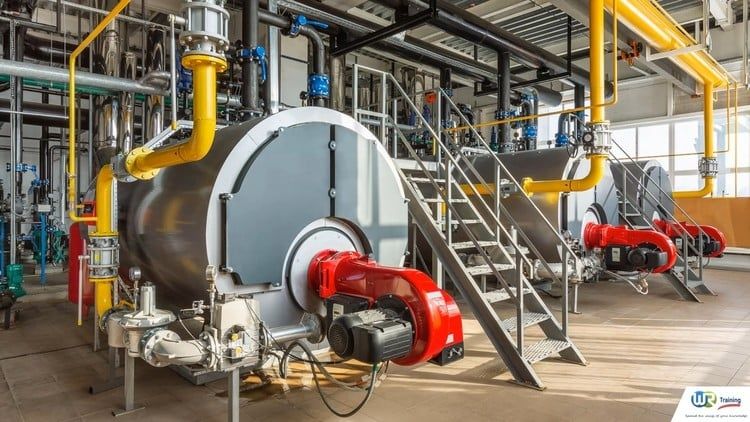
Steam boilers are mechanical systems designed to heat water and convert it into steam through the application of energy. This steam is then used for heating, power generation, sterilization, or industrial processing. Steam boilers exist because steam is an efficient medium for transferring energy over distances and for performing work in controlled environments.
Historically, steam boilers played a major role in the Industrial Revolution, powering early factories, trains, and ships. Over time, their design has evolved to improve safety, efficiency, and environmental performance. Today, steam boilers are found in power plants, manufacturing facilities, hospitals, food processing units, and educational institutions.
Despite advances in alternative energy systems, steam boilers remain relevant because they provide reliable thermal energy where high temperatures or consistent pressure are required.
Importance
Steam boilers continue to matter in modern society for several reasons. They support essential infrastructure, industrial output, and public facilities that depend on stable heat and steam generation.
Key reasons steam boilers are important today include:
-
Energy efficiency: Steam transfers heat efficiently, reducing energy losses in large systems
-
Process reliability: Many industries depend on stable steam pressure for consistent production outcomes
-
Versatility: Steam boilers support heating, cleaning, sterilization, and mechanical power generation
-
Scalability: Systems can be designed for small facilities or large industrial operations
-
Public safety and health: Hospitals and laboratories rely on steam for sanitation and infection control
Steam boilers affect engineers, facility managers, operators, policymakers, and end users who rely on dependable heating systems. They solve the problem of delivering controlled heat energy across diverse environments while maintaining operational stability.
Recent Updates
Over the past year, steam boiler technology has continued to evolve, influenced by sustainability goals, digital monitoring, and efficiency standards.
Notable updates from 2024–2025 include:
-
Increased adoption of smart boiler controls (2024): Digital sensors and automated monitoring systems now track pressure, temperature, and efficiency in real time
-
Focus on low-emission designs (2024): Manufacturers are emphasizing improved combustion systems to reduce environmental impact
-
Hydrogen-ready boiler research (early 2025): Pilot studies are exploring the use of hydrogen blends as alternative fuel sources
-
Advanced insulation materials (2024): New materials help minimize heat loss and improve thermal retention
-
Predictive maintenance software (2025): Data analytics tools are being used to anticipate component wear before system failure
These updates reflect a broader trend toward safer, cleaner, and more digitally integrated thermal systems.
Laws or Policies
Steam boilers are subject to strict regulations due to the safety risks associated with pressure and high temperatures. Governments and international organizations enforce standards to protect workers, facilities, and the environment.
Common regulatory frameworks include:
-
Pressure vessel regulations: National laws require boilers to meet design, inspection, and certification standards
-
ASME Boiler and Pressure Vessel Code: Widely referenced for construction and safety requirements
-
ISO standards: Provide global guidelines for quality management and equipment performance
-
Workplace safety regulations: Rules governing operator training, inspections, and emergency procedures
-
Environmental policies: Emission limits and energy efficiency benchmarks influence boiler operation
In many countries, boilers must undergo routine inspections and documentation reviews to ensure compliance. These policies help reduce accidents, improve efficiency, and support responsible energy use.
Tools and Resources
Several tools and educational resources support understanding and management of steam boilers:
-
Boiler efficiency calculators: Used to estimate thermal performance based on fuel input and steam output
-
Pressure and temperature charts: Reference materials for safe operating ranges
-
Energy monitoring platforms: Digital dashboards that analyze boiler performance trends
-
Technical standards libraries: Access to ASME, ISO, and national safety documentation
-
Training manuals and online courses: Educational resources covering boiler fundamentals and safety
These tools help operators and learners understand system behavior and improve operational awareness.
Example Table: Common Steam Boiler Types
| Boiler Type | Typical Application | Key Characteristic |
|---|---|---|
| Fire-tube boiler | Small to medium facilities | Simple design, easy control |
| Water-tube boiler | Power generation | High pressure capability |
| Electric boiler | Controlled environments | No combustion process |
| Once-through boiler | Rapid steam generation | Compact and efficient |
FAQs
What is the primary purpose of a steam boiler?
A steam boiler generates steam by heating water under controlled conditions, allowing the steam to be used for heating, energy transfer, or mechanical work.
Are steam boilers still relevant today?
Yes. Steam boilers remain essential in industries that require consistent heat, sterilization, or power generation, especially where alternatives are not practical.
What are the main safety concerns with steam boilers?
Key concerns include overpressure, overheating, and mechanical failure. Regulations and monitoring systems exist to minimize these risks.
How is steam boiler efficiency measured?
Efficiency is typically measured by comparing the energy input to the useful steam output, accounting for heat losses.
Do modern steam boilers use digital technology?
Many modern systems include sensors, automation, and data analytics to improve monitoring, efficiency, and maintenance planning.
Example Graph Description (Textual Representation)
A typical performance graph shows boiler efficiency increasing with optimized load conditions and declining when systems operate far above or below design capacity. This highlights the importance of proper system sizing and monitoring.
Conclusion
Steam boilers are a foundational technology that continues to support modern infrastructure, industry, and public facilities. Their ability to generate and distribute thermal energy efficiently makes them indispensable in many sectors.
Recent advancements in digital controls, emissions reduction, and predictive monitoring show how traditional boiler systems are adapting to modern expectations. Regulations and safety standards ensure responsible use, while tools and educational resources improve understanding and operation.