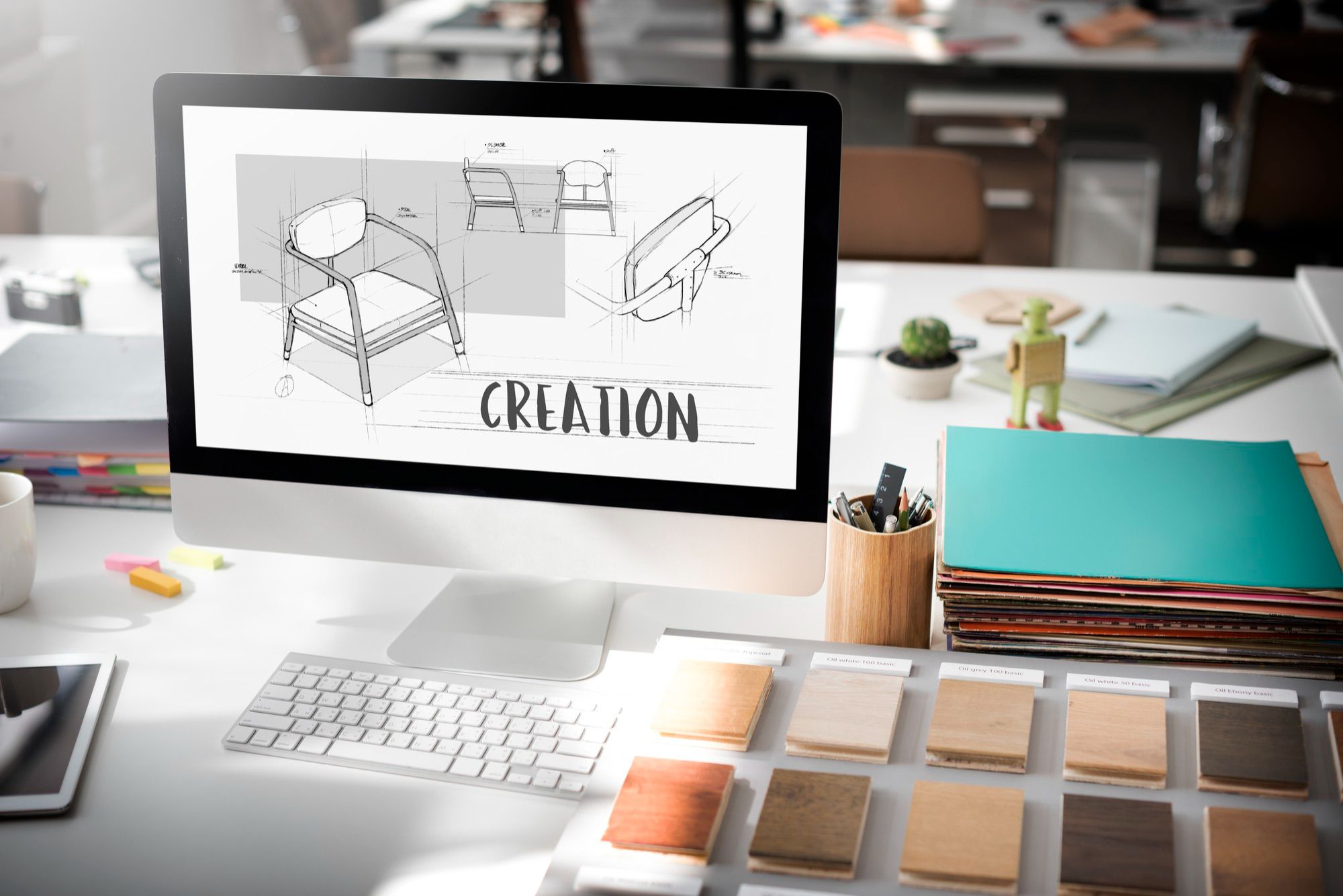
The digital product design process refers to the structured approach used to create digital products such as mobile apps, websites, and software platforms. It combines design thinking, user research, and technical planning to develop solutions that meet user needs while functioning effectively in real-world environments. Over time, this process has evolved into a broader digital product design lifecycle, which includes everything from early idea development to ongoing updates after launch.
A digital product design strategy provides direction for how a product will be built and improved. It connects business goals, user expectations, and technical constraints into a clear plan. Alongside this, a product design framework or product design methodology defines the steps, tools, and practices used during development.
For people unfamiliar with the field, this process may seem complex. However, it can be understood as a series of logical stages where teams identify problems, explore solutions, build prototypes, test ideas, and refine the product based on feedback.
Importance
The digital product design lifecycle plays a significant role in how people interact with technology in everyday life. From online banking apps to educational platforms, well-designed products make tasks easier, faster, and more accessible.
This topic matters because poor design can lead to confusion, errors, and frustration. For example, unclear navigation in an app can prevent users from completing simple tasks. On the other hand, a thoughtful digital product design process helps ensure that products are intuitive and reliable.
Several groups are affected by this process. Everyday users benefit from smoother experiences, businesses rely on structured design approaches to remain competitive, and developers depend on clear frameworks to build functional systems.
Common challenges addressed by a product design methodology include:
- Understanding user needs: Identifying what people actually require rather than assuming their preferences
- Managing complexity: Breaking down large systems into manageable components
- Reducing errors: Testing designs early to avoid problems after launch
- Adapting to change: Updating products as user expectations and technologies evolve
A clear digital product design strategy helps teams navigate these challenges while maintaining consistency across different stages of development.
Recent Updates
Between 2024 and 2026, the digital product design process has continued to shift in response to technological and social changes. One noticeable trend is the increased use of artificial intelligence in design workflows. AI tools assist in generating layouts, analyzing user behavior, and automating repetitive tasks, allowing designers to focus more on decision-making.
Another development is the growing emphasis on accessibility and inclusive design. Products are now expected to work for a wider range of users, including those with disabilities. This has influenced how teams approach the digital product design lifecycle, making accessibility checks a standard part of the process.
Remote collaboration has also become more common. Teams working across different locations rely on shared platforms for design, testing, and feedback. This has led to improvements in cloud-based tools and real-time collaboration features.
Sustainability is another emerging consideration. Designers are exploring ways to reduce digital waste, such as optimizing file sizes and minimizing unnecessary features. This reflects a broader awareness of environmental impact in technology development.
Overall, the product design framework is becoming more flexible, with iterative cycles replacing rigid step-by-step models. Continuous improvement is now a central part of most product design methodologies.
Laws or Policies
The digital product design lifecycle is influenced by various laws and policies, particularly those related to data protection, accessibility, and consumer rights. In India, several regulations shape how digital products are designed and maintained.
The Information Technology Act, 2000, along with its amendments, sets the foundation for digital governance. It outlines responsibilities for handling electronic data and maintaining security. Designers must consider these rules when planning features that involve user information.
Data protection guidelines, including the Digital Personal Data Protection Act, emphasize transparency and consent. Products must clearly explain how user data is collected and used. This affects the digital product design process by requiring privacy features such as consent forms and data management settings.
Accessibility standards are also gaining attention. While India does not yet have a single comprehensive digital accessibility law equivalent to some global frameworks, guidelines encourage inclusive design practices. Public sector platforms, in particular, are expected to meet accessibility benchmarks.
Consumer protection laws also play a role. Digital platforms must provide clear information, avoid misleading interfaces, and ensure that users can make informed decisions. This impacts the product design methodology by promoting clarity and fairness in user interfaces.
The following table summarizes how different policy areas influence the design process:
| Policy Area | Impact on Design Process |
|---|---|
| Data Protection | Requires clear privacy settings and secure data handling |
| Accessibility Guidelines | Encourages inclusive layouts and assistive compatibility |
| Consumer Protection Laws | Promotes transparent interfaces and user-friendly navigation |
| IT Regulations | Ensures system reliability and security measures |
These policies ensure that digital products are not only functional but also responsible and user-centered.
Tools and Resources
Various tools and resources support each stage of the digital product design process. These tools help teams plan, design, test, and refine digital products efficiently.
Design and prototyping tools play a key role. Platforms like Figma and Adobe XD allow designers to create layouts, interactive prototypes, and design systems. These tools are widely used within a product design framework to visualize ideas before development begins.
User research tools help gather insights about behavior and preferences. Tools such as Google Forms and Typeform are used for surveys, while analytics platforms like Google Analytics provide data on how users interact with products.
Collaboration tools support teamwork across different locations. Applications like Notion, Miro, and Slack help teams share ideas, organize workflows, and communicate effectively during the digital product design lifecycle.
Testing tools are also essential. Platforms like UsabilityHub and Maze allow teams to evaluate prototypes and identify usability issues. This step is a core part of most product design methodologies.
Some commonly used tools can be grouped as follows:
- Design and prototyping: Figma, Adobe XD, Sketch
- Research and analytics: Google Analytics, Hotjar, Typeform
- Collaboration: Notion, Slack, Miro
- Testing and feedback: Maze, UsabilityHub
Templates and frameworks are also valuable resources. For example, user journey maps, wireframe templates, and design system guidelines help maintain consistency and clarity throughout the process.
FAQs
What is the digital product design process?
The digital product design process is a structured approach used to create digital products. It typically includes stages such as research, ideation, design, testing, and iteration to ensure the product meets user needs and functions effectively.
How does a digital product design strategy differ from a design process?
A digital product design strategy focuses on the overall direction and goals of a product, while the design process outlines the specific steps taken to achieve those goals. The strategy guides decisions, and the process defines how those decisions are implemented.
What is included in the digital product design lifecycle?
The digital product design lifecycle includes all stages of a product’s existence, from initial concept and development to launch, maintenance, and updates. It emphasizes continuous improvement based on user feedback and changing requirements.
What is a product design framework?
A product design framework is a structured model that organizes the design process into clear stages. It helps teams follow consistent methods and ensures that important steps, such as testing and evaluation, are not overlooked.
Why is a product design methodology important?
A product design methodology provides a repeatable approach to solving design problems. It helps teams work efficiently, maintain quality, and adapt to changes during the development process.
Conclusion
The digital product design process provides a structured way to create functional and user-friendly digital solutions. It combines strategy, research, and iterative development within a broader digital product design lifecycle. As technology continues to evolve, design approaches are becoming more flexible and inclusive. Understanding the role of frameworks and methodologies helps clarify how products are built and improved over time. Overall, this process supports the development of digital tools that align with user needs and regulatory expectations.