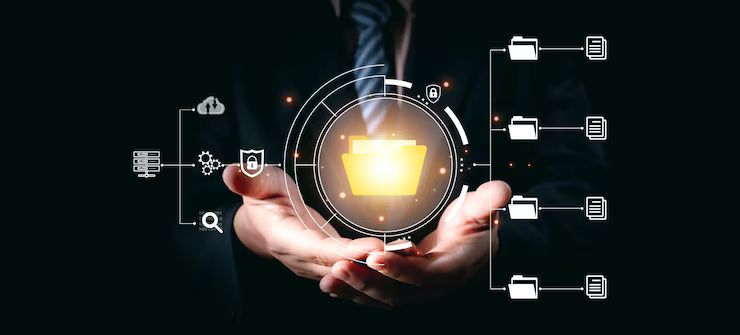
Digital research record management refers to the organized handling of research-related data, documents, and files using digital tools and systems. It has evolved from traditional paper-based recordkeeping to structured digital environments where information can be stored, accessed, and shared efficiently. As research activities expanded across academic, scientific, and industrial fields, the need for systematic digital records management became more apparent.
Research data management systems are designed to help individuals and institutions handle large volumes of information generated during research. These systems include features such as data storage, version tracking, metadata tagging, and access control. Similarly, digital lab record management focuses on laboratory-specific workflows, replacing handwritten lab notebooks with structured digital entries.
Digital thesis data management is another important area, particularly for students and academic institutions. It ensures that research data, drafts, and final documents are properly organized and preserved. Overall, a digital file management system provides the foundation for maintaining consistency, accessibility, and security in research-related work.
Importance
The importance of digital research record management has grown significantly due to the increasing complexity and scale of research activities. Researchers now generate vast amounts of data, making manual organization inefficient and prone to errors. A structured digital approach helps address these challenges.
For individuals, digital records management simplifies the process of retrieving past work, tracking progress, and maintaining accuracy. For institutions, it supports collaboration, compliance, and long-term data preservation. Without proper systems in place, research data can become disorganized, duplicated, or even lost.
Several key challenges are addressed through research data management systems:
- Data organization: Large datasets are categorized and indexed for easy access
- Data integrity: Version control ensures that changes are tracked and documented
- Collaboration: Multiple users can work on shared datasets without confusion
- Security: Sensitive information is protected through access controls
- Preservation: Long-term storage prevents data loss over time
Digital lab record management is particularly useful in scientific environments where experiments require precise documentation. It allows researchers to record observations, attach files, and maintain a chronological history of their work.
For students, digital thesis data management ensures that research materials, references, and drafts are systematically stored. This reduces the risk of losing important files and helps maintain consistency throughout the research process.
Recent Updates
Between 2024 and 2026, several trends have shaped the development of digital research record management systems. One major trend is the increased integration of artificial intelligence to assist with data organization and analysis. AI tools can automatically tag files, detect patterns, and suggest categorizations, reducing manual effort.
Cloud-based digital file management systems have also become more common. These systems allow researchers to access their data from multiple devices and locations, supporting remote work and global collaboration. At the same time, there has been a stronger focus on data privacy and secure storage.
Another notable development is the adoption of standardized formats and protocols for research data management systems. This helps ensure compatibility across institutions and platforms, making it easier to share and reuse data.
In academic settings, digital thesis data management tools are increasingly integrated with university systems. This allows students to submit, store, and archive their work in a structured manner, often linked with institutional repositories.
Digital lab record management has also seen improvements in usability. Interfaces are designed to mimic traditional lab notebooks while providing additional features such as search functions, automated timestamps, and data linking.
Laws or Policies
Digital research record management is influenced by various laws and policies that govern data handling, privacy, and intellectual property. In India, several regulations shape how digital records are managed.
The Information Technology Act, 2000 provides the legal framework for electronic records and digital data. It recognizes digital documents as valid records and outlines guidelines for data security and authentication.
Data protection has become more prominent with the introduction of privacy-focused regulations. These rules emphasize the responsible handling of personal and sensitive data within digital records management systems. Researchers and institutions must ensure that data is stored securely and accessed only by authorized individuals.
Academic institutions often follow guidelines set by regulatory bodies such as the University Grants Commission (UGC). These guidelines encourage proper documentation and archiving of research work, including digital thesis data management.
In addition, many funding agencies require researchers to maintain structured research data management systems. These requirements ensure transparency, reproducibility, and accountability in research projects.
Tools and Resources
A variety of tools and platforms support digital research record management. These tools are designed to handle different aspects of data organization, storage, and collaboration.
Common categories of tools include:
- Data repositories: Platforms that store and archive research data for long-term access
- Electronic lab notebooks: Tools used for digital lab record management, allowing structured experiment documentation
- Reference managers: Software that helps organize citations and research materials
- Cloud storage platforms: Systems that enable remote access and file synchronization
- Institutional repositories: University-managed systems for storing theses and research outputs
Below is a simple comparison table of key features in digital file management systems:
| Feature | Description | Example Use Case |
|---|---|---|
| Version Control | Tracks changes made to files over time | Updating research datasets |
| Metadata Tagging | Adds descriptive labels to files | Categorizing thesis chapters |
| Access Control | Restricts who can view or edit data | Protecting sensitive research data |
| Cloud Integration | Enables remote access and sharing | Collaborating across locations |
| Search Functionality | Allows quick retrieval of stored files | Finding specific experiment records |
Digital thesis data management tools often include templates and structured workflows to guide students through the research process. Similarly, research data management systems may include dashboards that provide an overview of ongoing projects and stored data.
FAQs
What is digital research record management?
Digital research record management refers to the use of digital systems to organize, store, and maintain research-related data and documents. It replaces manual recordkeeping with structured digital processes.
How do research data management systems help researchers?
Research data management systems help researchers organize large datasets, track changes, collaborate with others, and ensure data security. They also support long-term preservation of research information.
What is the difference between digital lab record management and general digital records management?
Digital lab record management is specifically designed for laboratory environments, focusing on experiment documentation and observations. General digital records management covers a broader range of documents and data types across different fields.
Why is digital thesis data management important for students?
Digital thesis data management helps students organize their research materials, drafts, and references. It reduces the risk of losing files and ensures a structured approach to completing academic work.
What features should a digital file management system include?
A digital file management system should include features such as version control, metadata tagging, secure access, search functionality, and cloud integration to support efficient data handling.
Conclusion
Digital research record management has become an essential part of modern research practices. It provides structured methods for organizing, storing, and accessing data across various fields. With the growth of digital tools and increasing data volumes, research data management systems and digital file management systems help address challenges related to organization, security, and collaboration. As technologies continue to evolve, these systems are likely to remain central to effective research workflows.