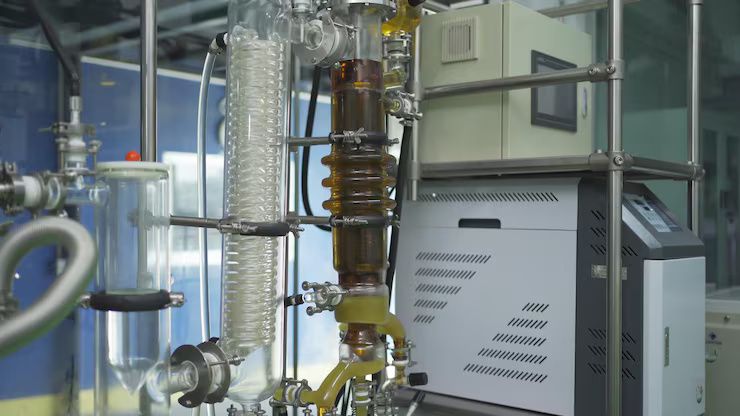
Chemical dosing systems are engineered systems designed to precisely measure and inject controlled amounts of chemicals into industrial, environmental, and water treatment processes. They exist because many industries rely on accurate chemical application to maintain efficiency, safety, and environmental compliance. Whether adjusting pH levels, treating wastewater, or preventing corrosion in pipelines, these systems help ensure that chemicals are applied consistently and in the correct proportions.
A typical system includes dosing pumps, storage tanks, control units, valves, and monitoring instrumentation. These components work together to maintain consistent chemical distribution, reduce manual intervention, and protect both equipment and ecosystems from dosing errors.
Importance
Chemical dosing systems are widely used because they address several essential needs across industries. Their importance is reflected in the following roles:
-
Precision in chemical application
Ensures that only the required amount of chemical is delivered, reducing risks of underdosing or overdosing. -
Safety improvement
Minimizes direct human contact with potentially hazardous substances. -
Environmental protection
Helps industries comply with environmental regulations by preventing harmful discharge and ensuring proper chemical treatment. -
Process optimization
Stable dosing leads to consistent water quality, improved industrial efficiency, and reduced dependency on manual measurement.
Industries that benefit include water treatment plants, food processing, agriculture, pharmaceuticals, manufacturing, and energy production. In all these sectors, chemical dosing solves the problem of maintaining exact chemical balance within systems where accuracy is critical.
Recent Updates
Several advancements in 2024–2025 have shaped how chemical dosing systems are designed and deployed:
-
IoT-enabled dosing controllers (2024)
Many systems now feature real-time online monitoring, allowing operators to adjust dosing rates remotely. -
Energy-efficient pumps (2025)
Improvements in motor design and control algorithms have reduced energy use and improved operational stability. -
Automated calibration features (2024)
New dosing pumps include auto-calibration and adaptive flow control, helping maintain accuracy even with fluid property changes. -
Cloud-connected monitoring dashboards (2025)
These platforms store operational data, generate alerts, and support predictive maintenance. -
Growth of environmentally sustainable dosing practices (2024)
There is rising adoption of eco-friendly chemicals and dosing systems designed to reduce waste and emissions. -
Integration with smart water infrastructure (2025)
Municipal water utilities are increasingly using dosing systems that integrate with smart networks for better water quality management.
These developments highlight the trend toward automation, digitalization, and sustainability in chemical dosing technology.
Laws or Policies
Chemical dosing systems are regulated through a combination of safety, environmental, and industry-specific policies. While regulations vary globally, several frameworks influence how these systems are used and maintained:
-
Occupational safety regulations
Organizations such as OSHA (United States) and HSE (United Kingdom) provide guidelines for handling chemicals, equipment installation, and personnel protection. -
Environmental protection standards
Rules governing wastewater treatment, effluent discharge, and chemical handling are enforced by agencies such as the U.S. Environmental Protection Agency (EPA) and the European Environment Agency (EEA). -
ISO standards
Standards such as ISO 9001, ISO 14001, and ISO 15783 (for chemical dosing pumps) guide quality control, environmental management, and equipment safety. -
Local water quality laws
Municipal and regional governments enforce compliance for drinking water treatment, industrial water reuse, and sewage processing. -
Chemical handling regulations
Transportation and storage of chemicals used in dosing systems must follow rules set by REACH (EU), GHS labeling systems, and national chemical safety authorities.
These policies ensure that chemical dosing systems operate safely, reduce pollution, and meet public health requirements.
Tools and Resources
Several helpful tools and resources support engineers, operators, and students working with chemical dosing systems:
-
Dosing calculators
Online tools that compute required chemical quantities based on flow rate, concentration, and system capacity. -
Chemical compatibility charts
Guides that help users determine which pump materials can safely handle specific chemicals. -
Water quality monitoring apps
Digital tools that track pH, turbidity, chlorine levels, and other parameters associated with dosing accuracy. -
Simulation and modeling software
Platforms such as MATLAB, EPANET, and engineering simulators help model dosing behavior and predict system performance. -
Training modules and digital libraries
Educational portals offering lessons on pump calibration, chemical safety, dosing techniques, and industrial water treatment fundamentals. -
Instrumentation dashboards
Systems that integrate sensors, alarms, and real-time data visualizations to support accurate dosing control.
FAQs
What is a chemical dosing system used for?
It is used to automatically or manually add precise amounts of chemicals into water, industrial processes, or environmental treatment systems to achieve desired chemical reactions or maintain specific quality standards.
How accurate are modern dosing pumps?
Modern dosing pumps are highly accurate and can maintain consistent flow rates even under changing pressure conditions. Many systems adjust automatically based on real-time data.
Are chemical dosing systems safe to use?
Yes, when used according to guidelines. Safety regulations ensure proper handling, installation, and operation. Features such as closed chemical storage, automated pumping, and monitoring sensors further enhance safety.
Which industries commonly use chemical dosing?
Water and wastewater treatment, agriculture, pharmaceuticals, power generation, and food production frequently rely on chemical dosing for process control and quality assurance.
Can dosing systems be automated?
Yes, automation is increasingly common. Automated systems allow remote monitoring, self-adjustment, and integration with cloud dashboards for improved accuracy and efficiency.
Conclusion
Chemical dosing systems are essential tools across industries that require precise chemical application. Their importance extends from ensuring safety and process stability to protecting the environment and supporting efficient industrial performance. Recent innovations—including IoT integration, smart controllers, and automated calibration—continue to transform how these systems operate.
With regulations promoting safety and environmental compliance, and with advanced tools supporting better monitoring and control, chemical dosing systems remain central to modern water treatment and industrial processes. Understanding how they function, why they matter, and how they are evolving helps professionals make informed decisions and maintain effective operations.