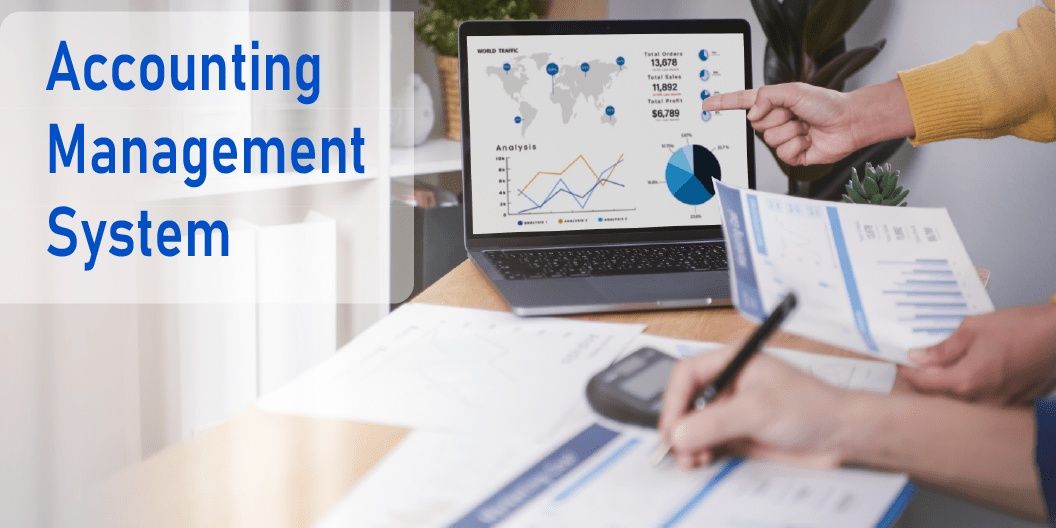
An accounting management system is a structured digital framework used to record, organize, analyze, and report financial information within an organization. It brings together core accounting activities such as tracking income and expenses, managing ledgers, handling invoices, and preparing financial statements into a single, coordinated environment.
These systems exist because manual accounting processes become difficult to manage as organizations grow. Paper-based records or disconnected spreadsheets often lead to data duplication, calculation errors, and delayed reporting. An accounting management system addresses these challenges by centralizing financial data and standardizing workflows.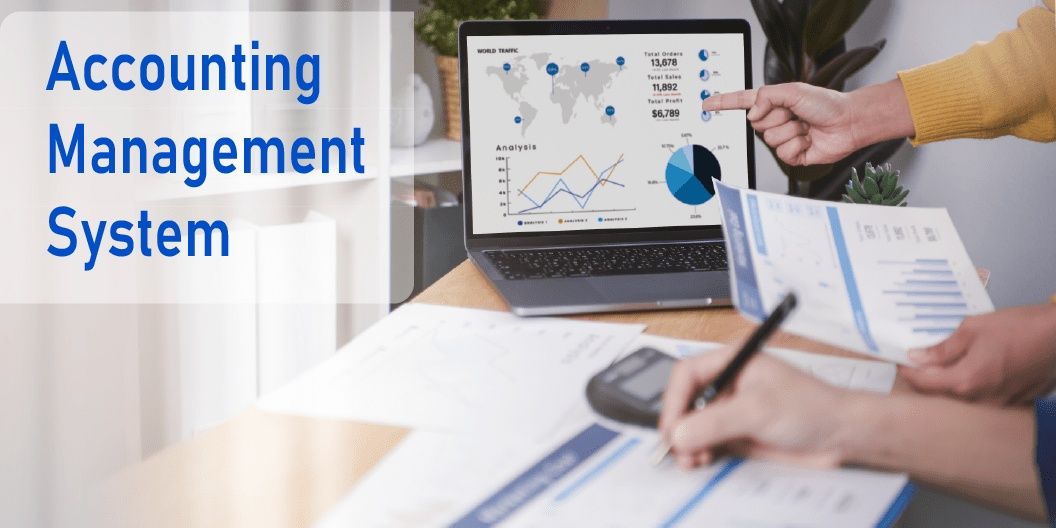
In practical terms, an accounting management system acts as the backbone of financial operations. It connects day-to-day transactions with higher-level reporting, helping organizations maintain accurate records while gaining clearer visibility into their financial position. As digital transformation continues across industries, accounting management software has become an essential tool for maintaining consistency and transparency in financial management.
Importance: Why Accounting Management Systems Matter Across Organizations
Accounting management systems matter because they directly influence how financial information is captured, interpreted, and used. They affect business owners, finance teams, auditors, compliance professionals, and decision-makers who rely on reliable data to guide planning and operations.
Key reasons these systems are important include:
-
Financial accuracy: Automated calculations reduce manual errors in bookkeeping and reporting.
-
Process consistency: Standardized workflows ensure that transactions are recorded in a uniform way.
-
Operational visibility: Dashboards and summaries provide real-time insight into financial performance.
-
Compliance readiness: Organized records support regulatory reporting and audit preparation.
-
Decision support: Clean financial data helps leaders evaluate trends and allocate resources more effectively.
For organizations of all sizes, business accounting systems play a central role in maintaining financial discipline. By organizing information into a coherent structure, they help transform raw transaction data into meaningful financial management insights.
Recent Updates: Developments in Accounting Management System Capabilities
Recent developments in accounting management systems focus on usability, integration, and analytical depth rather than basic bookkeeping functions. These changes reflect a broader shift toward connected financial ecosystems.
Common trends observed in recent periods include:
-
Cloud-based access: Many accounting management software platforms now support remote access, enabling teams to work with financial data from different locations.
-
Automation of routine tasks: Features such as automated reconciliation and recurring entries reduce repetitive manual work.
-
Integrated reporting: Financial data is increasingly linked with operational systems, supporting more holistic analysis.
-
Advanced analytics: Some platforms now include forecasting and trend analysis tools that extend beyond standard reporting.
-
Stronger data governance: Greater emphasis is placed on access controls, audit trails, and data integrity.
These developments enhance the role of accounting management systems from record-keeping tools to strategic financial platforms.
Laws or Policies: Regulatory Considerations for Accounting Management Systems
Accounting management systems operate within regulatory frameworks that govern financial reporting, data protection, and organizational accountability. While requirements vary by country, several common policy areas influence how these systems are designed and used.
Typical regulatory considerations include:
-
Financial reporting standards: Organizations must prepare statements in line with applicable accounting frameworks.
-
Data protection rules: Financial records often contain sensitive information that must be stored and processed securely.
-
Audit requirements: Systems need to maintain clear transaction histories and documentation for review purposes.
-
Tax compliance guidelines: Accurate record-keeping supports timely and consistent tax reporting.
-
Digital record retention policies: Many jurisdictions specify how long financial data must be preserved.
Understanding these rules helps organizations configure their accounting management software to align with legal and compliance expectations.
Tools and Resources: References Used to Understand Accounting Management
A variety of tools and resources support the effective use of accounting management systems. These resources help users configure workflows, analyze results, and maintain data quality.
Commonly used tools and references include:
-
Financial reporting templates for balance sheets, income statements, and cash flow summaries
-
Accounting calculators for depreciation, interest, and tax estimations
-
Chart of accounts frameworks to standardize financial categorization
-
Process documentation guides that outline bookkeeping and reconciliation steps
-
Educational dashboards that explain key metrics and ratios
These tools help translate system data into practical accounting analytics tools that support everyday financial decisions.
Core Components of an Accounting Management System
Most accounting management systems share a set of foundational components that work together to manage financial data.
| Component | Primary Role | Example Outcome |
|---|---|---|
| General ledger | Central record of transactions | Consolidated financial view |
| Accounts payable | Tracking outgoing payments | Organized expense records |
| Accounts receivable | Monitoring incoming funds | Improved cash visibility |
| Reporting module | Generating financial statements | Structured performance summaries |
| Analytics layer | Interpreting trends | Actionable financial management insights |
Understanding these components clarifies how business accounting systems support both daily operations and long-term planning.
FAQs
What is an accounting management system used for?
An accounting management system is used to record, organize, and analyze financial transactions, helping organizations maintain accurate records and generate reliable reports.
How does accounting management software support decision-making?
By consolidating financial data and presenting it through reports and dashboards, accounting management software provides insights that support budgeting, forecasting, and strategic planning.
Is an accounting management system suitable for different organization sizes?
Yes. The structure of accounting management systems can be adapted to suit small teams as well as larger organizations with more complex financial workflows.
What is the difference between bookkeeping and an accounting management system?
Bookkeeping focuses on recording transactions, while an accounting management system includes bookkeeping plus reporting, analysis, and compliance support.
Why are accounting analytics tools important within these systems?
Accounting analytics tools help identify trends, highlight anomalies, and translate financial data into meaningful business insights.
Conclusion
An accounting management system is a foundational element of modern financial operations. By organizing transactions, standardizing workflows, and enabling structured analysis, it supports accuracy, transparency, and informed decision-making. As organizations increasingly rely on digital tools, accounting management software continues to evolve into a comprehensive platform for managing financial data. Understanding its basics, components, and regulatory context helps organizations make better use of business accounting systems and gain clearer financial management insights from their data.