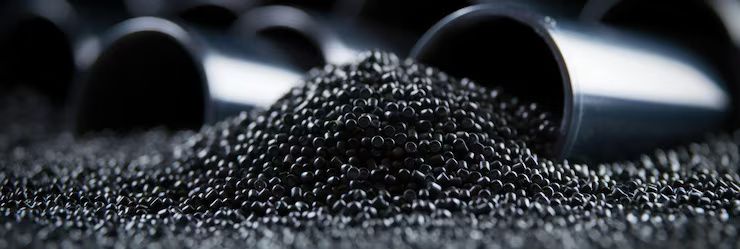
Activated carbon filtration refers to a process that uses activated carbon filter media to remove contaminants from air or water. These filters are made from carbon-rich materials such as coconut shells, coal, or wood, processed to create a highly porous structure. This structure allows the carbon to adsorb impurities effectively.
The concept behind an activated charcoal filter is adsorption rather than absorption. Contaminants stick to the surface of the carbon due to chemical attraction, making it highly effective for removing chlorine, volatile organic compounds (VOCs), odors, and certain chemicals.
A typical carbon filtration system is used in both residential and industrial applications. It can be part of water purification setups, air purification systems, or large-scale industrial carbon filter units designed for manufacturing and environmental control.
How Carbon Filtration Works
The working principle of an activated carbon filtration system relies on its porous structure and large surface area. A single gram of activated carbon can have a surface area of over 1,000 square meters.
Key steps in the process include:
- Adsorption: Contaminants attach to the carbon surface
- Physical trapping: Particles get trapped in pores
- Chemical bonding: Certain impurities react with the carbon
This makes a carbon filtration unit suitable for removing a wide range of pollutants without using complex chemical treatments.
Why Activated Carbon Filtration Matters Today
Activated carbon filtration has become increasingly important due to rising concerns about environmental pollution and water quality. Both urban and industrial areas face challenges related to contaminants that traditional filtration methods may not fully address.
A carbon filter system plays a crucial role in improving public health and environmental safety. It is widely used in drinking water systems, air purifiers, wastewater treatment plants, and industrial emission control.
Key Benefits and Applications
The importance of an activated carbon filter can be understood through its practical applications:
- Water purification: Removes chlorine, bad taste, and organic compounds
- Air filtration: Captures odors, smoke, and harmful gases
- Industrial use: Controls emissions and treats wastewater
- Healthcare settings: Improves indoor air quality
Problems It Helps Solve
Modern filtration challenges require efficient and scalable solutions. Activated carbon filtration helps address:
- Chemical contamination in water supplies
- Air pollution in urban environments
- Industrial discharge and emissions
- Unpleasant taste and odor in drinking water
The flexibility of a carbon filtration system makes it suitable for both small-scale and large-scale implementations.
Recent Developments in Carbon Filtration Systems
In the past year, there have been notable advancements in activated carbon filtration technologies. These developments focus on improving efficiency, sustainability, and adaptability.
Technological Innovations (2025–2026)
Recent trends include:
- Enhanced carbon materials: New activation techniques have increased adsorption capacity
- Hybrid filtration systems: Combining carbon with membrane or UV filtration
- Regenerable carbon filters: Systems designed for reuse and reduced waste
- Smart monitoring systems: Sensors that track filter performance in real time
Sustainability Trends
Environmental concerns have led to increased use of renewable raw materials such as coconut shells. This shift supports sustainable production of activated charcoal filter media while maintaining performance.
Industry Adoption
Industries such as pharmaceuticals, food processing, and chemical manufacturing have expanded the use of industrial carbon filter systems. These sectors rely on consistent filtration to meet quality and environmental standards.
Regulatory and Policy Considerations
Activated carbon filtration is influenced by environmental and public health regulations. Governments set standards to ensure safe water and air quality, which directly impacts the design and use of carbon filtration units.
Water Quality Standards
In many countries, including India, water quality is regulated by agencies such as:
- Bureau of Indian Standards (BIS)
- Central Pollution Control Board (CPCB)
These organizations define acceptable limits for contaminants, encouraging the use of activated carbon filter systems in treatment processes.
Air Quality Regulations
Air pollution control policies require industries to manage emissions effectively. A carbon filter system is often used to comply with limits on VOCs and hazardous gases.
Environmental Compliance
Industries must follow guidelines related to wastewater discharge and air emissions. Industrial carbon filter units are commonly integrated into compliance strategies to meet these requirements.
Tools and Resources for Carbon Filtration
Understanding and managing activated carbon filtration systems can be supported by various tools and resources. These help in system design, monitoring, and maintenance.
Common Tools and Utilities
- Water quality testing kits: Measure contaminants before and after filtration
- Air quality monitors: Track pollutants in indoor and industrial environments
- Filtration calculators: Estimate filter capacity and lifespan
- Maintenance logs: Track usage and replacement cycles
Data Table: Comparison of Filtration Types
| Filtration Type | Primary Function | Common Use Case | Efficiency Level |
|---|---|---|---|
| Activated Carbon Filter | Removes chemicals and odors | Water and air purification | High |
| Reverse Osmosis | Removes dissolved solids | Drinking water systems | Very High |
| UV Filtration | Disinfects microorganisms | Water sterilization | High |
| Mechanical Filtration | Removes physical particles | Pre-filtration systems | Moderate |
This comparison highlights where a carbon filtration system fits within broader filtration strategies.
Frequently Asked Questions
What is an activated carbon filter used for?
An activated carbon filter is used to remove contaminants such as chlorine, VOCs, and odors from water and air. It is commonly found in household water filters, air purifiers, and industrial systems.
How long does a carbon filtration unit last?
The lifespan of a carbon filtration unit depends on usage, contaminant levels, and system design. In general, filters require periodic replacement once the carbon becomes saturated.
Can activated carbon remove bacteria and viruses?
Activated carbon filtration primarily targets chemical contaminants and odors. It is not designed to remove microorganisms, so it is often combined with other technologies like UV or membrane filtration.
What is the difference between activated charcoal filter and regular carbon filter?
An activated charcoal filter refers to carbon that has been processed to increase its porosity and adsorption capacity. Regular carbon lacks this enhanced structure and is less effective for filtration purposes.
Where are industrial carbon filters commonly used?
Industrial carbon filter systems are widely used in manufacturing, wastewater treatment, chemical processing, and air pollution control. They help manage emissions and improve environmental compliance.
Conclusion
Activated carbon filtration plays a vital role in modern environmental management and public health. Its ability to remove chemical contaminants, odors, and pollutants makes it a reliable solution across various applications.
From residential water systems to large-scale industrial carbon filter installations, the versatility of a carbon filter system continues to support cleaner air and water. Ongoing advancements in materials and technology further enhance its effectiveness and sustainability.
Understanding how an activated carbon filtration system works, along with its benefits and limitations, allows for better decision-making in both personal and industrial contexts.