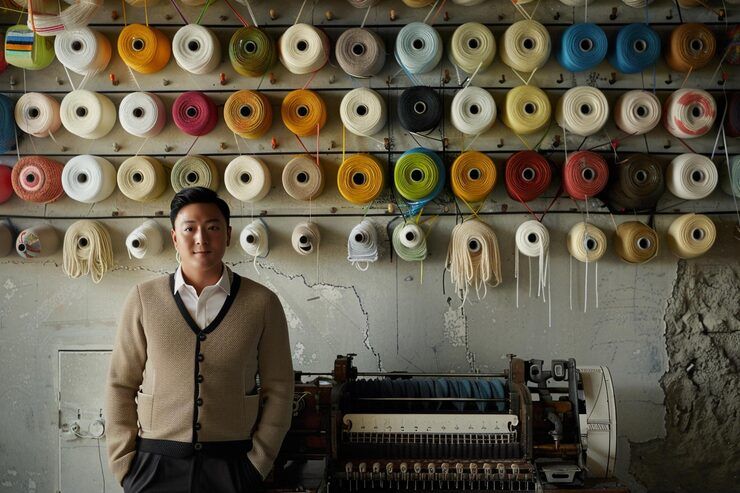
Advanced spinning machinery plays a critical role in modern textile production by converting raw fibers such as cotton, wool, or synthetic materials into yarn. This process forms the foundation of fabric manufacturing, influencing the quality, strength, and consistency of the final textile products. Over time, spinning technology has evolved from manual systems to highly automated, precision-driven machinery designed for efficiency and scalability.
In recent years, the textile industry has witnessed rapid adoption of advanced spinning equipment due to increasing demand for high-quality fabrics, cost optimization, and global competition. Technologies such as automation, digital monitoring, and energy-efficient systems are transforming traditional spinning operations. These developments are particularly relevant in major textile-producing countries like India, where modernization is essential for maintaining competitiveness in global markets.
This guide compares traditional and advanced spinning machinery while highlighting benefits, trends, and practical considerations. The shift toward advanced systems is impacting productivity, labor requirements, and sustainability, making it an important topic for manufacturers, investors, and industry professionals.
Who It Affects and What Problems It Solves
Advanced spinning machinery affects multiple stakeholders within the textile value chain. Textile manufacturers benefit from increased production speed, improved yarn quality, and reduced operational costs. Workers experience changes in job roles, shifting from manual operations to machine supervision and technical management. Export-oriented businesses gain improved product consistency, which is essential for meeting international quality standards.
Small and medium enterprises (SMEs) also face significant decisions when adopting advanced machinery. While the initial investment may be high, long-term efficiency gains and reduced wastage can offset costs over time. Policymakers and industry regulators are also impacted, as they must balance industrial growth with sustainability and labor considerations.
Problems It Solves
- Inconsistent Yarn Quality: Automated systems ensure uniformity and reduce defects
- Low Productivity: High-speed machines significantly increase output
- Labor Dependency: Automation reduces reliance on manual labor
- Material Waste: Precision technology minimizes fiber loss
- Energy Inefficiency: Modern machines are designed for optimized power consumption
- Production Downtime: Predictive maintenance reduces unexpected breakdowns
At the same time, traditional machinery may still address cost constraints for smaller units with limited capital investment.
Recent Updates and Industry Trends
The textile spinning industry has experienced notable advancements over the past year:
- Automation and Industry 4.0 Integration: Smart spinning machines now use sensors and IoT systems for real-time monitoring
- Energy-Efficient Designs: Manufacturers are focusing on reducing energy consumption per unit of yarn produced
- Compact Spinning Technology: Compact spinning improves yarn strength and reduces hairiness
- Sustainability Initiatives: Increased use of recycled fibers and eco-friendly production processes
- Digital Twin Technology: Some manufacturers are adopting simulation models to optimize machine performance
- Demand for Technical Textiles: Growth in sectors such as medical textiles and industrial fabrics is influencing spinning requirements
India’s textile sector is also aligning with government initiatives aimed at modernization and export growth, encouraging investment in advanced machinery.
Comparison Table: Traditional vs Advanced Spinning Machinery
| Factor | Traditional Spinning Machinery | Advanced Spinning Machinery |
|---|---|---|
| Technology Level | Manual or semi-automatic | Fully automated with digital controls |
| Production Speed | Moderate | High-speed production |
| Yarn Quality | Variable | Consistent and high-quality |
| Labor Requirement | High | Lower, skilled supervision required |
| Energy Efficiency | Lower | Optimized energy consumption |
| Maintenance | Reactive maintenance | Predictive and preventive maintenance |
| Waste Generation | Higher | Reduced fiber waste |
| Initial Investment | Lower | Higher upfront cost |
| Scalability | Limited | Highly scalable |
| Data Monitoring | Minimal | Real-time analytics and monitoring |
Laws, Policies, and Government Regulations
Advanced spinning machinery adoption is influenced by several regulations and government programs, particularly in India.
Key Policies
- Textile Modernization Schemes: Government initiatives support technology upgrades in textile manufacturing units
- Production Linked Incentive (PLI) Scheme: Encourages investment in advanced textile production, including man-made fibers and technical textiles
- Energy Efficiency Regulations: Standards promoting reduced energy consumption in industrial operations
- Labor and Safety Laws: Ensure safe working conditions and proper training for handling advanced machinery
Practical Guidance
- Large-Scale Manufacturers: Investment in advanced machinery is beneficial for export competitiveness and long-term cost savings
- SMEs: Gradual adoption or hybrid systems may help balance cost and efficiency
- Sustainability-Focused Businesses: Advanced machines align better with environmental compliance requirements
- Skill Development Needs: Workforce training is essential to operate and maintain modern equipment
These policies indicate a strong push toward modernization while maintaining regulatory compliance.
Tools and Resources
Several tools and resources support the adoption and management of advanced spinning machinery:
Digital Tools
- Machine monitoring software for real-time production tracking
- Predictive maintenance systems using AI and data analytics
Industry Platforms
- Textile research institutes and testing laboratories
- Industry associations providing technical guidance
Financial and Planning Tools
- Cost-benefit analysis calculators for machinery investment
- Government subsidy and incentive portals
Training Resources
- Skill development programs for machine operators
- Technical workshops and certification courses
Equipment Providers
- Manufacturers offering integrated spinning solutions and after-sales support
These resources help manufacturers optimize performance, reduce risks, and improve decision-making.
Frequently Asked Questions (FAQ)
What is advanced spinning machinery?
Advanced spinning machinery refers to modern, automated equipment used to convert fibers into yarn with higher efficiency, precision, and consistency.
Is advanced spinning machinery suitable for small textile units?
It can be suitable, but SMEs may prefer phased adoption due to higher initial investment costs.
How does advanced machinery improve yarn quality?
It uses precise controls, automation, and monitoring systems to ensure uniform fiber alignment and reduce defects.
What is the role of automation in spinning machinery?
Automation reduces manual intervention, increases production speed, and enables real-time monitoring and maintenance.
Does advanced spinning machinery reduce operational costs?
Yes, over time it reduces costs through energy efficiency, lower labor requirements, and reduced material waste.
Conclusion
Advanced spinning machinery represents a significant shift in textile production, offering measurable improvements in efficiency, quality, and sustainability. While the initial investment is higher compared to traditional systems, long-term benefits such as reduced operational costs, improved product consistency, and scalability make it a strategic choice for many manufacturers.
Industry trends indicate increasing adoption of automation, energy-efficient technologies, and digital monitoring systems. Data-driven insights suggest that manufacturers investing in advanced machinery are better positioned to compete in global markets, particularly in segments requiring high-quality and technical textiles.
For large-scale and export-oriented businesses, advanced spinning machinery is increasingly becoming essential. For smaller units, a balanced approach involving gradual upgrades may be more practical. Overall, the transition toward advanced spinning systems reflects the broader evolution of the textile industry toward modernization and sustainability.