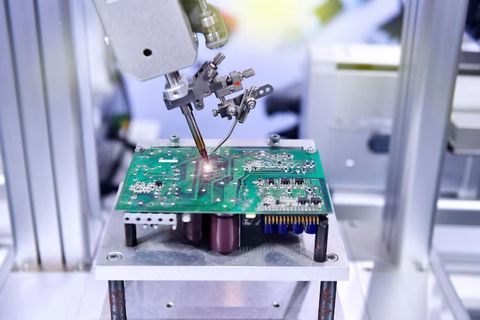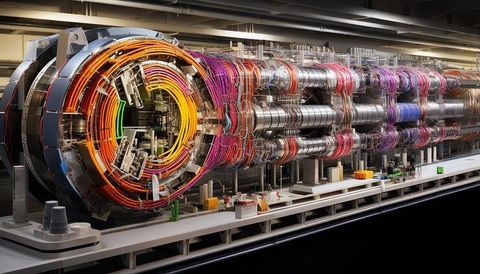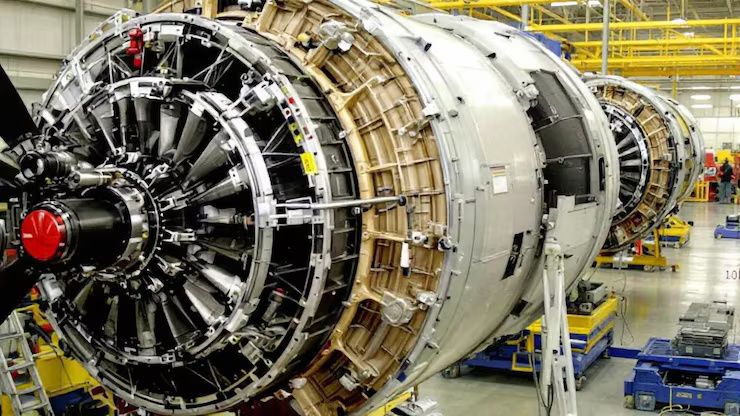
Aerospace component manufacturing refers to the structured process of producing parts used in aircraft, spacecraft, satellites, and related systems. These components range from structural elements and engine parts to electronic housings and precision fasteners. The field exists because aerospace systems operate in extreme environments and demand very high levels of accuracy, reliability, and consistency.
Unlike general manufacturing, aerospace production relies on tightly controlled processes. Components must withstand high pressure, temperature changes, vibration, and long operational lifecycles. Each stage, from design interpretation to final inspection, must be clearly defined and documented.
Over time, aerospace manufacturing evolved from manual craftsmanship to advanced engineering supported by digital tools and automation. As systems became more complex, structured manufacturing stage planning became essential for safety, traceability, and performance.
Importance: Why Planning Manufacturing Stages Matters Today
Planning manufacturing stages is critical in aerospace because even small deviations can impact safety and system performance. This structured approach ensures consistency, reliability, and compliance with strict technical standards.
Key Reasons for Importance
- Ensuring dimensional accuracy and material integrity
- Reducing variability across production batches
- Supporting quality assurance and traceability
- Aligning production with strict technical standards
Aerospace manufacturing involves engineers, inspectors, supply chain planners, and regulatory bodies. Clear planning helps coordinate these roles and ensures all requirements are met.
Problems Addressed
- Inconsistent component quality
- Production delays due to rework or unclear processes
- Difficulty tracing materials and production steps
- Increased risk of regulatory non-compliance
As aerospace systems adopt advanced materials and precision assemblies, structured planning becomes even more essential.
Recent Updates: Trends and Developments in Aerospace Manufacturing
In 2025, aerospace manufacturing continued evolving with digital tools, automation, and advanced materials. These developments aim to improve efficiency, accuracy, and resilience.
Key Trends in 2025
- Digital manufacturing planning using simulations and digital twins
- Increased use of composites and high-performance alloys
- Expanded automation and robotic inspection systems
- Focus on supply chain resilience and diversification
Model-based manufacturing gained attention, where design data directly informs production workflows. This reduces interpretation errors and improves coordination between teams.
Laws and Policies: Regulatory Influence on Manufacturing Stages
Aerospace manufacturing is governed by strict regulations to ensure safety and reliability. These rules influence how production stages are planned, documented, and audited.
Key Regulatory Areas
- Mandatory quality management systems
- Documentation and traceability requirements
- Certification of materials and processes
- Oversight of production changes
International standards and aviation authorities establish frameworks for compliance. Government programs also support advanced manufacturing capabilities in growing aerospace sectors.
Tools and Resources: Supporting Aerospace Manufacturing Planning
Various tools support planning and managing aerospace manufacturing stages. These tools help ensure precision, coordination, and regulatory compliance throughout production.
Common Tools and Resources
- Computer-aided design and manufacturing platforms
- Production planning and scheduling software
- Quality management and documentation systems
- Process simulation and validation tools
Examples of Planning Resources
| Tool Category | Purpose | Typical Application |
|---|---|---|
| CAD/CAM Systems | Convert designs into production data | Machining and fabrication |
| Manufacturing Execution Systems | Track production stages | Process monitoring |
| Quality Management Tools | Record inspections and audits | Compliance assurance |
| Simulation Software | Test manufacturing workflows | Risk reduction |
These tools help maintain alignment with technical and regulatory requirements throughout the manufacturing process.
Visual Overview: Typical Aerospace Manufacturing Stages
The table below outlines common stages in aerospace component manufacturing:
| Manufacturing Stage | Description |
|---|---|
| Design Interpretation | Reviewing engineering drawings and specifications |
| Material Preparation | Selecting and preparing certified materials |
| Component Fabrication | Machining, forming, or additive processes |
| Assembly and Integration | Joining parts into subassemblies |
| Inspection and Testing | Verifying dimensions and performance |
Each stage must be carefully controlled to ensure consistent and reliable outcomes.
FAQs: Common Questions About Aerospace Component Manufacturing
What makes aerospace manufacturing unique?
It requires high precision, strict documentation, and compliance with safety-focused regulations.
Why is traceability important?
Traceability ensures materials, processes, and inspections can be reviewed throughout the lifecycle.
Do manufacturing stages vary by component?
Yes, different components require different processes and controls.
How are errors minimized?
Through clear planning, standardized procedures, and continuous inspection.
Can aerospace manufacturing adopt new technologies?
Yes, the industry continuously integrates new tools and materials while maintaining compliance.
Conclusion: Planning as the Foundation of Aerospace Manufacturing
Aerospace manufacturing focuses on producing components that meet high standards of safety, accuracy, and reliability. Planning manufacturing stages provides structure to manage complexity and ensure consistent quality.
By understanding its importance, trends, regulations, and tools, readers gain insight into how aerospace components are produced. Careful planning will remain essential as the industry continues to evolve.