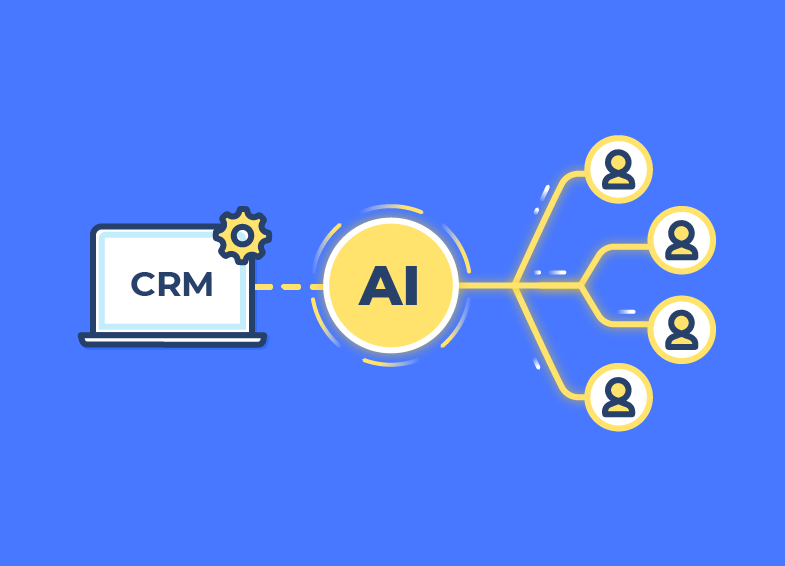
An AI CRM platform is a customer relationship management system that integrates artificial intelligence to analyze data, identify patterns, and support decision-making related to customer interactions. It exists because modern organizations generate large volumes of customer data across multiple channels, including email, websites, applications, and support systems. Managing and interpreting this data manually is increasingly difficult.
Traditional CRM systems focus on storing and organizing customer information. In contrast, AI CRM platforms extend this functionality by using machine learning, natural language processing, and predictive analytics to derive insights from data. These platforms help organizations understand customer behavior, preferences, and engagement patterns more clearly.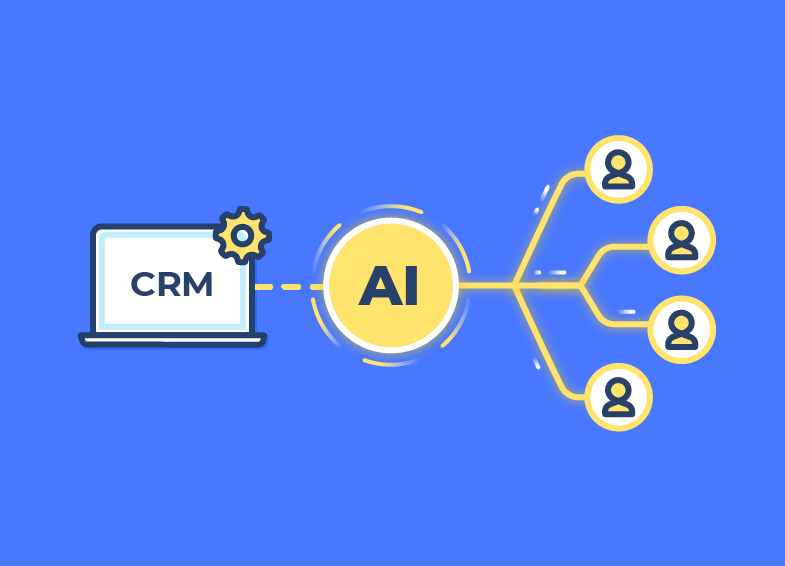
As digital interactions continue to expand, AI CRM platforms have emerged to bridge the gap between data collection and actionable customer insights, enabling more structured and informed relationship management.
Importance: Why AI CRM Platforms Matter in Modern Business
AI CRM platforms are important because they influence how organizations understand and respond to customer needs. They affect professionals across marketing, sales, customer support, operations, and management functions.
Key reasons AI CRM platforms matter include:
-
Improved data interpretation: AI-driven CRM analytics help identify trends that may not be visible through manual analysis.
-
Customer behavior insights: AI models analyze interaction history to understand engagement patterns.
-
Operational efficiency: Automated data analysis reduces time spent on repetitive review tasks.
-
Consistency across channels: Unified customer views improve coordination between teams.
-
Decision support: Predictive insights help anticipate customer needs and potential outcomes.
Industries such as technology, retail, finance, healthcare, and professional services increasingly rely on AI-powered CRM platforms to manage complex customer ecosystems and data-driven workflows.
Recent Updates: Trends Shaping AI CRM Platform Development
Recent developments in AI CRM platforms focus on improving accuracy, usability, and integration rather than introducing isolated features. These updates align with broader trends in artificial intelligence and enterprise software.
Key trends observed in recent periods include:
-
Expanded use of predictive analytics: CRM systems increasingly forecast customer behavior based on historical data.
-
Natural language processing enhancements: AI CRM tools analyze emails, messages, and support interactions more effectively.
-
Automation of routine workflows: Intelligent automation assists with data classification, follow-ups, and prioritization.
-
Improved personalization models: AI-driven CRM insights support more relevant customer engagement strategies.
-
Greater emphasis on explainability: Platforms increasingly provide clarity on how AI-driven recommendations are generated.
These developments reflect a shift toward more transparent and insight-driven CRM analytics platforms.
Laws or Policies: Regulatory Factors Affecting AI CRM Platforms
AI CRM platforms operate within legal and regulatory frameworks that govern data protection, privacy, and responsible AI use. These policies influence how customer data is collected, analyzed, and retained.
Common regulatory considerations include:
-
Data protection regulations: Rules governing the handling of personal and organizational data.
-
Privacy and consent requirements: Guidelines that define acceptable data usage practices.
-
AI governance frameworks: Policies promoting fairness, accountability, and transparency in AI systems.
-
Industry-specific compliance rules: Additional requirements for sectors such as finance or healthcare.
Organizations using AI CRM platforms must ensure that analytics and automation align with applicable regulations and ethical data practices.
Tools and Resources: Supporting the Use of AI CRM Platforms
A range of tools and reference resources support the effective use and understanding of AI CRM platforms. These resources help teams interpret analytics outputs and manage CRM data responsibly.
Common tools and resources include:
-
AI CRM analytics dashboards for visualizing customer insights
-
Data modeling frameworks that support predictive analysis
-
Customer journey mapping tools integrated with CRM platforms
-
AI model documentation resources explaining system behavior
-
Data quality assessment frameworks for CRM datasets
These tools enhance the usability and reliability of AI CRM systems across organizational functions.
Core Features of AI CRM Platforms
AI CRM platforms typically include a set of core capabilities designed to support data-driven customer management.
| Feature Area | Primary Function | Example Outcome |
|---|---|---|
| Predictive analytics | Forecast customer behavior | Anticipated engagement trends |
| Intelligent automation | Streamline workflows | Reduced manual data handling |
| Natural language analysis | Interpret text-based interactions | Improved sentiment understanding |
| Customer segmentation | Group customers by behavior | Targeted engagement strategies |
| Insight reporting | Summarize CRM analytics | Clear performance visibility |
Understanding these features helps clarify how AI CRM platforms support structured customer analysis.
FAQs
What is an AI CRM platform used for?
An AI CRM platform is used to analyze customer data and generate insights that support relationship management and decision-making.
How does AI improve traditional CRM systems?
AI enhances CRM systems by identifying patterns, predicting outcomes, and automating data-driven tasks.
Who benefits from AI CRM analytics?
Marketing teams, sales professionals, customer support teams, and managers benefit from AI CRM insights.
Is AI CRM suitable for different industries?
Yes. AI CRM platforms are used across industries where customer interaction data is critical.
Why is data quality important in AI CRM platforms?
High-quality data ensures that AI-generated insights are accurate, reliable, and meaningful.
Conclusion: Understanding the Role of AI CRM Platforms
AI CRM platforms play an increasingly important role in how organizations manage and interpret customer data. By combining traditional CRM functions with artificial intelligence, these platforms enable deeper insights into customer behavior, operational patterns, and engagement dynamics. As data volumes grow and customer expectations evolve, AI CRM platforms provide a structured approach to turning complex information into actionable understanding.