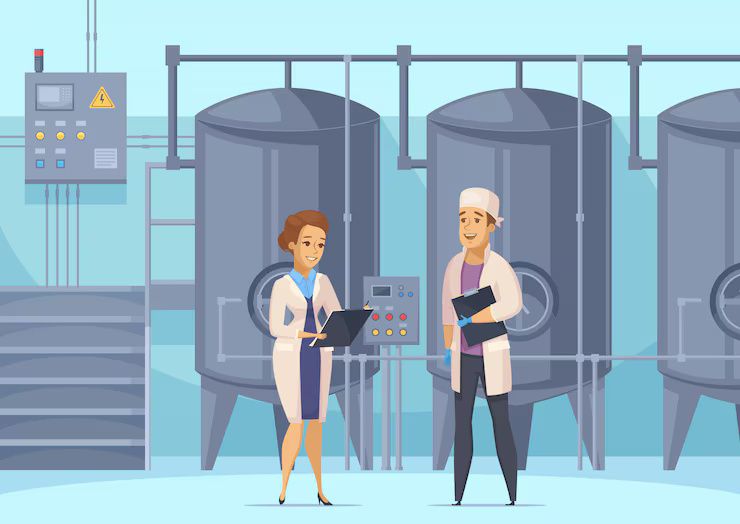
A dosing system is a device or set of equipment used to automatically or manually deliver precise amounts of a substance—often a liquid, gas, or powder—into a process. These systems are widely used across industries, including water treatment, agriculture, pharmaceuticals, food production, and manufacturing.
The concept exists to ensure consistent, controlled, and safe application of chemicals or ingredients. Whether it's chlorine in drinking water, nutrients in farming, or medication in healthcare, the goal of a dosing system is accuracy and efficiency.
Dosing systems can vary in complexity—from small, manually operated pumps to fully automated systems integrated into industrial control environments.
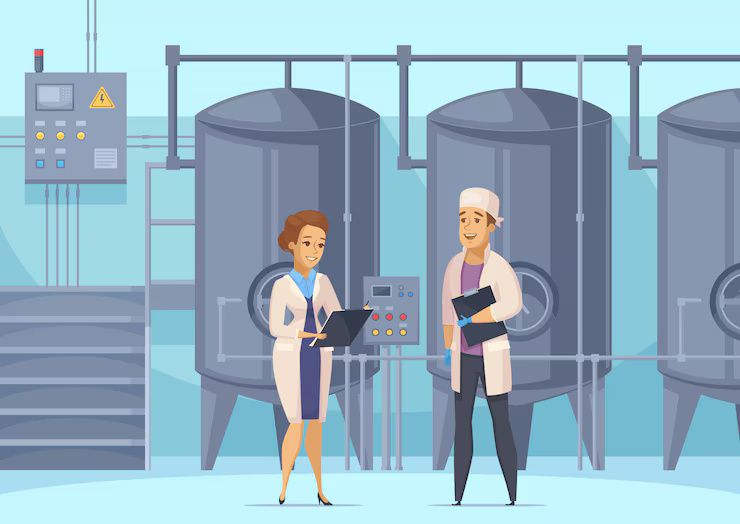
Why dosing systems are important today
Dosing systems have become essential in today’s production and processing environments for several reasons:
Precision and control:
Modern applications require exact dosing to maintain product quality, safety, and compliance with regulations. Inconsistent dosing can lead to defective products, safety hazards, or environmental harm.
Safety and environmental protection:
In chemical handling, accurate dosing minimizes human exposure and reduces waste, spills, and overdosing, which can harm ecosystems and public health.
Efficiency and automation:
Automated dosing systems improve process efficiency, reduce labor costs, and ensure 24/7 operation with minimal intervention.
Who uses dosing systems?
-
Water treatment plants
-
Food and beverage manufacturers
-
Pharmaceutical companies
-
Agricultural operations
-
Chemical processing facilities
Problems dosing systems help solve:
-
Overuse or underuse of chemicals
-
Human error in mixing or delivery
-
Compliance issues with quality and safety standards
-
Process inconsistencies and production downtime
Recent updates and developments in dosing systems (2024–2025)
The dosing systems market has seen significant innovation and demand growth in the past year, driven by trends in sustainability, automation, and digital integration.
| Trend | Description |
|---|---|
| Smart dosing systems | Integration with IoT and cloud platforms allows remote monitoring and real-time adjustments. |
| Energy-efficient pumps | Manufacturers are introducing dosing pumps with reduced energy consumption to meet sustainability goals. |
| Microdosing precision | New designs enable microdosing capabilities for pharmaceuticals and lab-scale use. |
| Modular systems | Flexible modules allow industries to scale dosing capacities without complete system overhauls. |
| Sustainable materials | Eco-friendly, corrosion-resistant materials like PTFE and PVDF are becoming standard. |
In mid-2024, companies such as Grundfos and ProMinent released advanced digital dosing systems with enhanced calibration features and built-in diagnostics. This reflects a shift toward automation and proactive maintenance in dosing technology.
Regulatory environment and safety policies
Dosing systems are often subject to strict regulations due to their role in handling chemicals, medications, and food-related substances. Compliance varies by region and industry, but key regulatory areas include:
| Regulation/Policy | Region/Industry | Key Focus |
|---|---|---|
| REACH (Registration, Evaluation, Authorisation, and Restriction of Chemicals) | EU | Ensures safe chemical handling and labeling |
| OSHA Standards | USA (Industrial) | Requires proper equipment, labeling, and worker safety during chemical dosing |
| FDA Guidelines | USA (Food & Pharma) | Demands accuracy and cleanliness in ingredient delivery |
| WHO Water Safety Plans | Global | Encourages proper chlorine or fluoride dosing in public water systems |
| ISO 9001 / ISO 13485 | Global | Quality management standards that include dosing accuracy in manufacturing and healthcare |
Failure to follow dosing system regulations can lead to serious health risks, environmental violations, or legal penalties. Regular audits, calibration, and safety training are essential components of compliance.
Useful tools and resources for dosing systems
A wide range of tools, equipment, and informational resources support the use and maintenance of dosing systems. Here are some commonly used examples:
Design and calculation tools:
-
Dosing calculator apps – Mobile apps for chemical and flow rate calculations (e.g., ChemDose, Blue-White Dosing App)
-
Online pump sizing tools – Offered by pump manufacturers to select the right model based on application needs
System components and hardware:
-
Metering pumps – Diaphragm, peristaltic, piston types
-
Flow sensors and controllers – Monitor dosing rates and trigger alarms
-
Mixing units – Ensure even distribution of dosed materials
-
Tubing and injection nozzles – Handle safe delivery to target environments
Educational resources and templates:
-
Industry white papers (from Grundfos, Lutz-Jesco, etc.)
-
WHO and EPA dosing guidelines for water treatment
-
Maintenance log templates for dosing equipment
Monitoring and automation platforms:
-
SCADA integration for industrial systems
-
IoT-based monitoring dashboards
-
Cloud-based control systems for multi-site operations
Choosing the right tool depends on the specific application, substance type, required precision, and compliance requirements.
Frequently asked questions
What is the difference between a dosing pump and a regular pump?
A dosing pump is designed to deliver a specific volume of fluid at set intervals or continuous rates with high precision. Regular pumps typically focus on flow rate and pressure without the same level of accuracy.
Can dosing systems handle all types of chemicals?
Most dosing systems are compatible with a wide range of substances, but compatibility depends on material resistance and pump design. Always check chemical compatibility charts before use.
How often should dosing equipment be maintained?
Routine maintenance should be performed based on the manufacturer's guidelines. For many systems, this includes monthly calibration checks, quarterly part inspections, and annual replacements of critical components.
What is batch dosing vs. continuous dosing?
-
Batch dosing delivers a set amount of a substance at one time, useful for mixing or preparation.
-
Continuous dosing applies substances gradually over time, ideal for ongoing processes like water treatment.
Are dosing systems used in household settings?
While less common, simplified dosing systems can be found in some home applications like aquarium care, gardening (fertilizer dosing), or small water filtration setups.
Summary table: Common dosing system applications and methods
| Industry | Application | Dosed Substance | Dosing Type |
|---|---|---|---|
| Water Treatment | Disinfection, pH correction | Chlorine, fluoride, acids | Continuous |
| Agriculture | Fertigation and pesticide delivery | Fertilizers, herbicides | Batch or continuous |
| Food Production | Ingredient delivery | Flavors, preservatives | Batch |
| Pharmaceuticals | Drug manufacturing | Active compounds | Microdosing |
| Manufacturing | Chemical processing | Solvents, lubricants | Continuous |
Final thoughts
Dosing systems play a vital role in ensuring precision, safety, and efficiency in a wide range of fields. From clean water and safe food to reliable pharmaceuticals and effective industrial operations, these systems help maintain quality and reduce waste.
As technology evolves, dosing solutions continue to become more intelligent, efficient, and environmentally responsible. Understanding their functions, applications, and legal frameworks enables both professionals and general users to use them safely and effectively.