Hair health is influenced by many factors, including genetics, age, hormones, lifestyle, stress, and nutrition. While no single food can instantly make hair grow faster, a balanced diet that provides essential nutrients can help create the conditions needed for healthy hair growth and reduce the risk of nutritional deficiencies that affect hair quality.
Hair is made primarily of a protein called keratin, and producing strong hair requires a steady supply of nutrients from the foods we eat. When the body lacks important vitamins, minerals, healthy fats, or protein, hair may become thinner, weaker, or more prone to breakage. This is why nutrition is often considered one of the foundations of long-term hair care.
This guide explains the best foods for hair growth, how they support the hair growth cycle, and how to build a hair-friendly diet in a simple and sustainable way.
Understanding How Nutrition Supports Hair Growth
Hair grows from follicles located beneath the skin. Each follicle follows a natural growth cycle that includes a growth phase, a transition phase, a resting phase, and a shedding phase. It is normal to lose some hair every day because new hair continuously replaces old strands.
The body prioritizes essential organs before supporting hair growth. If nutrient intake is inadequate for an extended period, hair may become one of the first places where deficiency-related changes appear. Providing the body with consistent nutrition supports normal follicle function and helps maintain healthy hair over time.
Healthy hair nutrition focuses on proteins, iron, zinc, biotin, vitamin D, vitamin C, vitamin E, omega-3 fatty acids, and other essential nutrients that contribute to normal hair structure and scalp health.
Protein-Rich Foods Build Strong Hair
Protein is one of the most important nutrients for healthy hair because hair strands are largely composed of protein. Insufficient protein intake may contribute to weaker hair or increased shedding in some people.
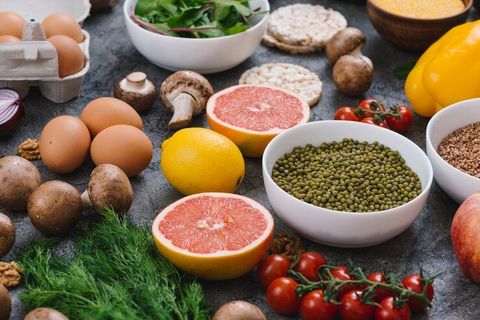
Eggs are widely recognized as a nutritious food for hair health because they contain high-quality protein along with biotin and other vitamins involved in normal hair production. Including eggs as part of a balanced diet can support overall nutritional intake.
Greek yogurt, cottage cheese, milk, and other dairy products also provide protein along with calcium and vitamin B12. These nutrients contribute to overall health while helping meet daily protein requirements.
Plant-based protein sources such as lentils, beans, chickpeas, soybeans, tofu, quinoa, and peas are valuable options for vegetarians and vegans. Eating a variety of plant proteins helps provide amino acids needed for normal hair structure.
Fatty Fish Provide Hair-Friendly Nutrients
Fatty fish such as salmon, sardines, mackerel, and trout contain protein and omega-3 fatty acids, which play an important role in maintaining scalp health.
Omega-3 fats support healthy skin, including the scalp, where hair follicles grow. Fatty fish also contain vitamin D and selenium, nutrients associated with maintaining healthy body functions that indirectly support hair health.
Including fish in meals a few times each week can contribute beneficial nutrients as part of a balanced eating pattern.
Leafy Green Vegetables Support Healthy Hair
Spinach, kale, Swiss chard, and other leafy greens are nutrient-dense foods that provide iron, folate, vitamin C, vitamin A, and magnesium.
Iron helps transport oxygen throughout the body, including to tissues that support hair follicles. Vitamin C helps improve iron absorption from plant-based foods, making leafy greens especially valuable when paired with citrus fruits or tomatoes.
Vitamin A supports the production of sebum, a natural oil that helps keep the scalp moisturized. Consuming leafy greens in moderation as part of a varied diet contributes multiple nutrients linked with healthy hair maintenance.
Nuts and Seeds Add Healthy Fats and Minerals
Nuts and seeds provide vitamin E, zinc, selenium, healthy fats, and plant-based protein.
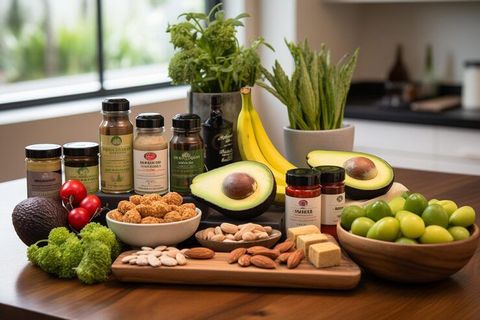
Almonds contain vitamin E, which helps protect cells from oxidative stress. Walnuts provide omega-3 fatty acids and antioxidants, while pumpkin seeds contain zinc and magnesium. Sunflower seeds contribute vitamin E and healthy fats, and flaxseeds and chia seeds offer plant-based omega-3 fatty acids.
Adding a handful of mixed nuts or seeds to meals, yogurt, or oatmeal is a simple way to increase nutrient variety.
Fruits That Help Support Hair Health
Fruits provide antioxidants, vitamins, minerals, and water that support overall wellness and scalp health.
Berries such as strawberries, blueberries, raspberries, and blackberries are rich in vitamin C and antioxidants. Vitamin C contributes to collagen production and helps improve iron absorption.
Citrus fruits including oranges, lemons, grapefruits, and sweet limes provide vitamin C and hydration.
Avocados are unique because they provide healthy monounsaturated fats along with vitamin E and folate. Healthy fats help maintain skin moisture, including the scalp.
Kiwi, guava, papaya, and mango also provide vitamin C and other nutrients that fit well into a hair-friendly diet.
Whole Grains Provide Steady Nutritional Support
Whole grains contain complex carbohydrates along with fiber, zinc, iron, and B vitamins that help support energy production and overall health.
Foods such as oats, brown rice, quinoa, whole wheat, barley, and millet provide nutrients that contribute to balanced nutrition rather than relying on refined carbohydrates.
Oats also contain iron, zinc, and fiber, making them a nutritious breakfast option that pairs well with fruits and nuts.
Iron-Rich Foods Help Maintain Healthy Hair
Iron deficiency is one nutritional factor associated with increased hair shedding in some individuals. Eating iron-rich foods supports healthy blood circulation and oxygen delivery.
Animal-based iron sources include lean beef, chicken, turkey, and seafood. Plant-based sources include spinach, lentils, beans, chickpeas, soybeans, pumpkin seeds, and fortified cereals.
Pairing plant-based iron foods with foods rich in vitamin C may help improve iron absorption naturally.
Vitamin C Foods Help Hair Strength
Vitamin C plays multiple roles in hair health because it supports collagen formation and helps protect cells against oxidative stress.
Bell peppers, oranges, strawberries, kiwi, broccoli, tomatoes, and guava are among the richest dietary sources of vitamin C.
Collagen contributes to healthy skin structure, including the scalp, while vitamin C also supports the body's ability to absorb iron from many plant foods.
Healthy Fats Help Nourish the Scalp
Healthy fats support skin health and help the body absorb fat-soluble vitamins.
Foods such as avocados, olive oil, almonds, walnuts, sunflower seeds, flaxseeds, chia seeds, and fatty fish contribute beneficial fats that fit into a balanced diet.
Rather than eliminating fats completely, choosing unsaturated fats from whole foods supports overall nutrition and scalp health.
Important Vitamins and Minerals for Hair Growth
Hair health depends on a combination of nutrients rather than one vitamin alone.
| Nutrient | Role in Hair Health | Common Food Sources |
|---|---|---|
| Protein | Supports hair structure and growth. | Eggs, dairy, beans, tofu, fish, chicken. |
| Iron | Helps transport oxygen to hair follicles. | Spinach, lentils, lean meat, beans. |
| Biotin | Supports normal hair production. | Eggs, nuts, seeds, sweet potatoes. |
| Zinc | Supports healthy hair follicles. | Pumpkin seeds, seafood, beans, nuts. |
| Vitamin D | Supports normal hair follicle function. | Fatty fish, fortified foods, sunlight exposure. |
| Vitamin E | Helps protect cells from oxidative stress. | Almonds, sunflower seeds, avocado. |
| Vitamin C | Supports collagen production and iron absorption. | Berries, citrus fruits, kiwi, bell peppers. |
| Omega-3 Fatty Acids | Supports scalp and skin health. | Salmon, walnuts, flaxseeds, chia seeds. |
A varied diet usually provides many of these nutrients naturally through food.
Hydration Also Matters for Healthy Hair
Water is essential for nearly every function in the body, including maintaining healthy skin and scalp.
While hydration alone does not increase hair growth speed, adequate water intake helps support normal body functions that contribute to healthy hair. Fruits and vegetables with high water content, along with regular water intake, help maintain overall hydration.
Foods That Fit Into a Hair-Friendly Daily Diet
A balanced daily eating pattern can naturally include many nutrients associated with healthy hair.
Breakfast may include oatmeal with berries, chia seeds, and yogurt. Lunch might include brown rice with spinach, lentils, and vegetables. Snacks can include mixed nuts, fruit, or yogurt. Dinner may include grilled fish, quinoa, vegetables, and avocado.
The goal is consistency rather than relying on a single "superfood."
Lifestyle Habits That Work Together With Nutrition
Nutrition works best alongside healthy lifestyle habits.
Getting enough sleep allows the body to complete important repair processes. Regular physical activity supports circulation and overall health. Managing long-term stress may also help reduce stress-related hair shedding in some individuals.
Gentle hair care practices such as avoiding excessive heat styling, minimizing harsh chemical treatments, and protecting hair from excessive friction may help reduce breakage while new hair grows.
Common Myths About Foods for Hair Growth
Many myths suggest that one food or supplement can dramatically increase hair growth overnight. Hair growth is a gradual biological process, and visible changes often take time.
Another common misconception is that taking large amounts of vitamins automatically improves hair growth. Nutrients are beneficial when they address dietary needs, but excessive supplementation is not always helpful and may not improve hair health in people without deficiencies.
Hair oils and topical treatments may improve hair appearance or scalp moisture, but nutrition provides internal support through the body's natural growth processes.
When Hair Changes May Need Professional Evaluation
Occasional hair shedding is a normal part of the hair growth cycle. However, sudden or persistent hair loss, patchy hair loss, scalp irritation, or noticeable thinning over time may have underlying causes unrelated to diet.
Hormonal changes, certain medical conditions, medications, and nutritional deficiencies can contribute to changes in hair growth. A healthcare professional can evaluate persistent symptoms and recommend appropriate testing or treatment when necessary.
Conclusion
Healthy hair growth begins with consistent nutrition rather than quick fixes. Protein, iron, zinc, vitamin C, vitamin E, healthy fats, and other essential nutrients work together to support normal hair structure, scalp health, and the natural hair growth cycle.
A balanced diet filled with vegetables, fruits, whole grains, lean proteins, nuts, seeds, legumes, and healthy fats provides many of the nutrients associated with maintaining strong and healthy hair. Combined with hydration, good sleep, stress management, and gentle hair care habits, these dietary choices help create a strong foundation for healthier hair over time.
Instead of focusing on one miracle food, building a varied and nutrient-rich eating pattern is the most sustainable approach to supporting long-term hair health.
Frequently Asked Questions
Which food is considered best for hair growth?
There is no single best food for hair growth. Eggs, fatty fish, leafy greens, berries, nuts, seeds, and legumes are among the most nutrient-rich foods that support healthy hair through protein, vitamins, minerals, and healthy fats.
How long does nutrition take to affect hair growth?
Hair grows gradually, so improvements related to better nutrition may take several weeks or months to become noticeable. Consistency in eating a balanced diet is more important than expecting immediate results.
Can vitamin deficiencies cause hair thinning?
Yes. Deficiencies in nutrients such as iron, vitamin D, zinc, or protein may contribute to hair thinning or increased shedding in some individuals. Identifying and addressing deficiencies should be done with appropriate medical guidance.
Are vegetarian foods good for hair growth?
Yes. Lentils, beans, chickpeas, tofu, soybeans, quinoa, nuts, seeds, leafy greens, and whole grains provide important nutrients that support healthy hair when included in a balanced vegetarian diet.
Does drinking more water make hair grow faster?
Water does not directly increase hair growth speed, but staying hydrated supports overall body function and helps maintain healthy skin and scalp conditions that contribute to healthy hair.
Disclaimer
The information provided in this article is for informational purposes only. We do not make any claims or guarantees regarding the accuracy, reliability, or completeness of the information presented. The content is not intended as professional advice and should not be relied upon as such. Readers are encouraged to conduct their own research and consult with appropriate professionals before making any decisions based on the information provided in this article.