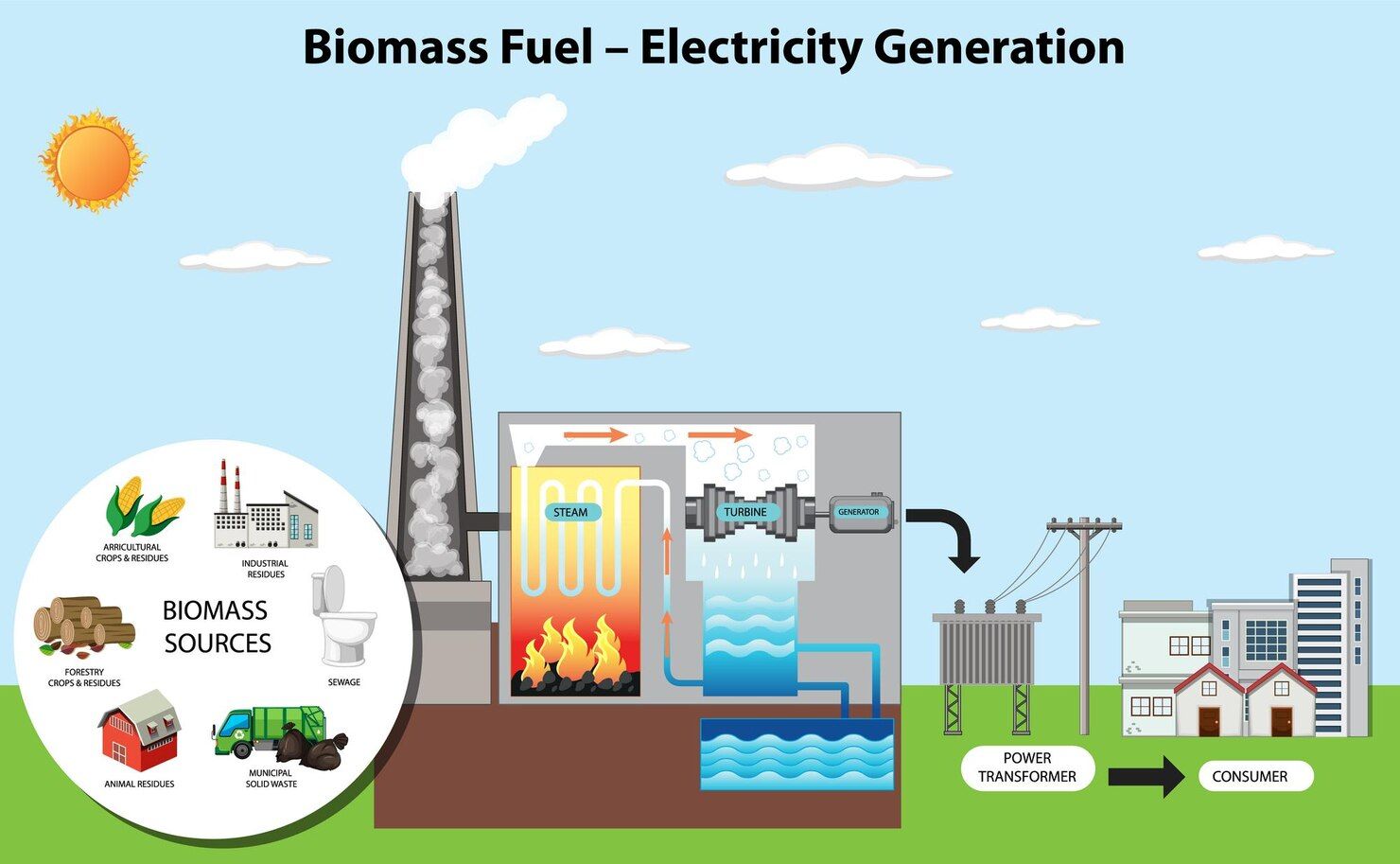
Bio energy systems refer to technologies and processes that convert organic materials into usable forms of energy such as electricity, heat, or biofuels. These systems use biomass resources including agricultural residues, forest materials, organic waste, and dedicated energy crops. The fundamental concept behind bio energy is that plants store solar energy through photosynthesis, and this stored energy can later be released through biological or thermochemical processes.
Modern energy systems increasingly integrate bio energy technologies to complement other renewable sources such as solar and wind. Biomass can be processed through methods such as anaerobic digestion, gasification, fermentation, and combustion to generate power or fuel. Because organic materials are widely available in agriculture and forestry sectors, bio energy systems have become an important part of global renewable energy strategies.
Many countries are exploring biomass energy to diversify energy sources and reduce dependence on fossil fuels. Bio energy systems can operate at various scales, from small rural biogas plants to large industrial biomass power facilities. This flexibility allows communities, industries, and governments to adapt bio energy technologies based on available resources and infrastructure.
Key Components of Bio Energy Systems
| Component | Description |
|---|---|
| Biomass Feedstock | Organic material such as crop waste, wood residues, and animal manure |
| Conversion Technology | Processes that convert biomass into energy |
| Energy Output | Electricity, heat, biofuels, or biogas |
| Storage and Distribution | Systems used to store and deliver energy to users |
These components work together to form a sustainable energy cycle where organic waste becomes a valuable energy resource rather than being discarded.
Bio Energy Systems Importance
Bio energy systems are important because they help address several global challenges related to energy supply, environmental sustainability, and waste management. As energy demand continues to grow worldwide, renewable energy solutions are becoming increasingly important in national energy planning.
One major advantage of bio energy systems is their ability to convert organic waste into useful energy. Agricultural residues, food waste, and forestry by-products can all serve as biomass feedstock. Instead of contributing to landfill emissions, these materials can be transformed into electricity, heating energy, or liquid fuels.
Another important aspect is energy security. Countries with large agricultural sectors often have abundant biomass resources that can be converted into energy. This can reduce reliance on imported fossil fuels and help stabilize national energy systems.
Bio energy systems also support rural development. Farmers and agricultural communities can utilize crop residues or livestock waste to generate biogas or electricity. This approach promotes circular resource use and reduces environmental impacts from waste disposal.
Benefits of Bio Energy Systems
| Benefit | Explanation |
|---|---|
| Renewable Energy Source | Biomass resources can be replenished through sustainable agriculture and forestry |
| Waste Reduction | Organic waste is converted into energy rather than discarded |
| Rural Development | Agricultural communities gain additional energy resources |
| Carbon Management | Biomass energy can contribute to lower net carbon emissions |
These advantages explain why many governments and energy organizations are exploring bio energy systems as part of broader renewable energy strategies.
Bio Energy Systems Insights
The past year has seen several developments in the field of biomass energy and bio energy systems. Governments and research institutions are investing in technologies that improve efficiency and reduce emissions from biomass conversion.
In 2024, multiple international reports highlighted growth in advanced biofuel production and industrial bioenergy technologies. New research focuses on improving biomass gasification and bio refinery processes that convert organic materials into multiple energy products.
Technological innovation is also expanding the range of usable biomass resources. Scientists are exploring ways to convert algae, agricultural waste, and forestry residues into renewable fuels and electricity. These innovations aim to make bio energy systems more efficient and adaptable across different regions.
Another recent trend involves integrating bio energy systems with other renewable technologies. Hybrid energy systems combining biomass, solar, and wind energy are being explored in several countries to improve energy reliability and grid stability.
Emerging Bio Energy Technology Trends
| Technology Trend | Description |
|---|---|
| Advanced Biofuels | Liquid fuels derived from non-food biomass materials |
| Biomass Gasification | Converting biomass into synthetic gas for electricity generation |
| Bio Refineries | Facilities that produce energy, chemicals, and materials from biomass |
| Hybrid Renewable Systems | Integration of biomass with solar and wind energy |
These trends demonstrate how bio energy technologies continue to evolve as part of the global transition toward sustainable energy.
Bio Energy Systems Policies
Government regulations and policies play a significant role in shaping the development of bio energy systems. Many countries have introduced renewable energy frameworks that encourage the use of biomass energy technologies.
Policies often focus on sustainable biomass sourcing, environmental impact standards, and renewable energy targets. For example, national renewable energy strategies frequently include biomass as part of their long-term energy plans.
In India, renewable energy policies promote multiple forms of clean energy including biomass power and biogas technology. Programs supporting rural biogas plants and waste-to-energy projects have been implemented to improve energy access and waste management.
International agreements related to climate change also influence bio energy development. Global efforts to reduce greenhouse gas emissions have encouraged governments to invest in renewable energy infrastructure, including biomass-based energy systems.
Policy Areas Affecting Bio Energy Systems
| Policy Area | Focus |
|---|---|
| Renewable Energy Targets | National goals for renewable energy generation |
| Environmental Regulations | Standards related to emissions and sustainability |
| Agricultural Programs | Initiatives supporting biomass resource utilization |
| Energy Infrastructure | Development of renewable energy facilities |
Such policies create a regulatory environment that supports the research and implementation of bio energy technologies.
Bio Energy Systems Resources
Understanding and analyzing bio energy systems often requires access to specialized tools, research platforms, and educational resources. These tools help researchers, engineers, and students explore biomass energy technologies and evaluate potential applications.
Energy modeling software and renewable energy calculators allow users to estimate biomass energy potential based on feedstock availability and system efficiency. Educational platforms and research databases provide valuable insights into technological developments and sustainability practices.
Useful Bio Energy Learning Resources
| Resource Type | Purpose |
|---|---|
| Renewable Energy Calculators | Estimate potential biomass energy output |
| Research Databases | Access scientific studies on biomass technologies |
| Energy Modeling Tools | Simulate bio energy system performance |
| Government Energy Portals | Provide policy updates and renewable energy statistics |
These resources support education, research, and informed decision-making related to renewable energy technologies.
Bio Energy Systems Facts
What are bio energy systems?
Bio energy systems are technologies that convert organic materials such as agricultural waste, wood residues, and animal manure into usable energy including electricity, heat, and biofuels.
How does biomass produce energy?
Biomass energy is produced when organic materials are processed through biological or thermochemical methods such as fermentation, gasification, combustion, or anaerobic digestion.
Are bio energy systems renewable?
Yes. Biomass resources are considered renewable when they are sourced from sustainably managed agricultural or forestry systems that continuously regenerate organic materials.
What industries use bio energy systems?
Bio energy technologies are used in agriculture, waste management, industrial energy production, and renewable electricity generation.
How do bio energy systems support environmental sustainability?
By converting organic waste into energy and reducing reliance on fossil fuels, bio energy systems can contribute to lower greenhouse gas emissions and improved waste management.
Bio Energy Systems Guide
Bio energy systems represent an important component of modern renewable energy strategies. By converting organic materials into useful energy, these systems provide a practical way to utilize biomass resources that might otherwise be discarded.
Technological developments continue to improve the efficiency and environmental performance of biomass energy conversion processes. At the same time, government policies and renewable energy initiatives are encouraging the adoption of sustainable energy solutions.
As global energy demand continues to increase, renewable technologies such as bio energy systems will likely play a significant role in supporting sustainable development and environmental goals. Understanding how these systems operate and how they fit into broader energy infrastructures helps individuals, researchers, and policymakers make informed decisions about future energy solutions.