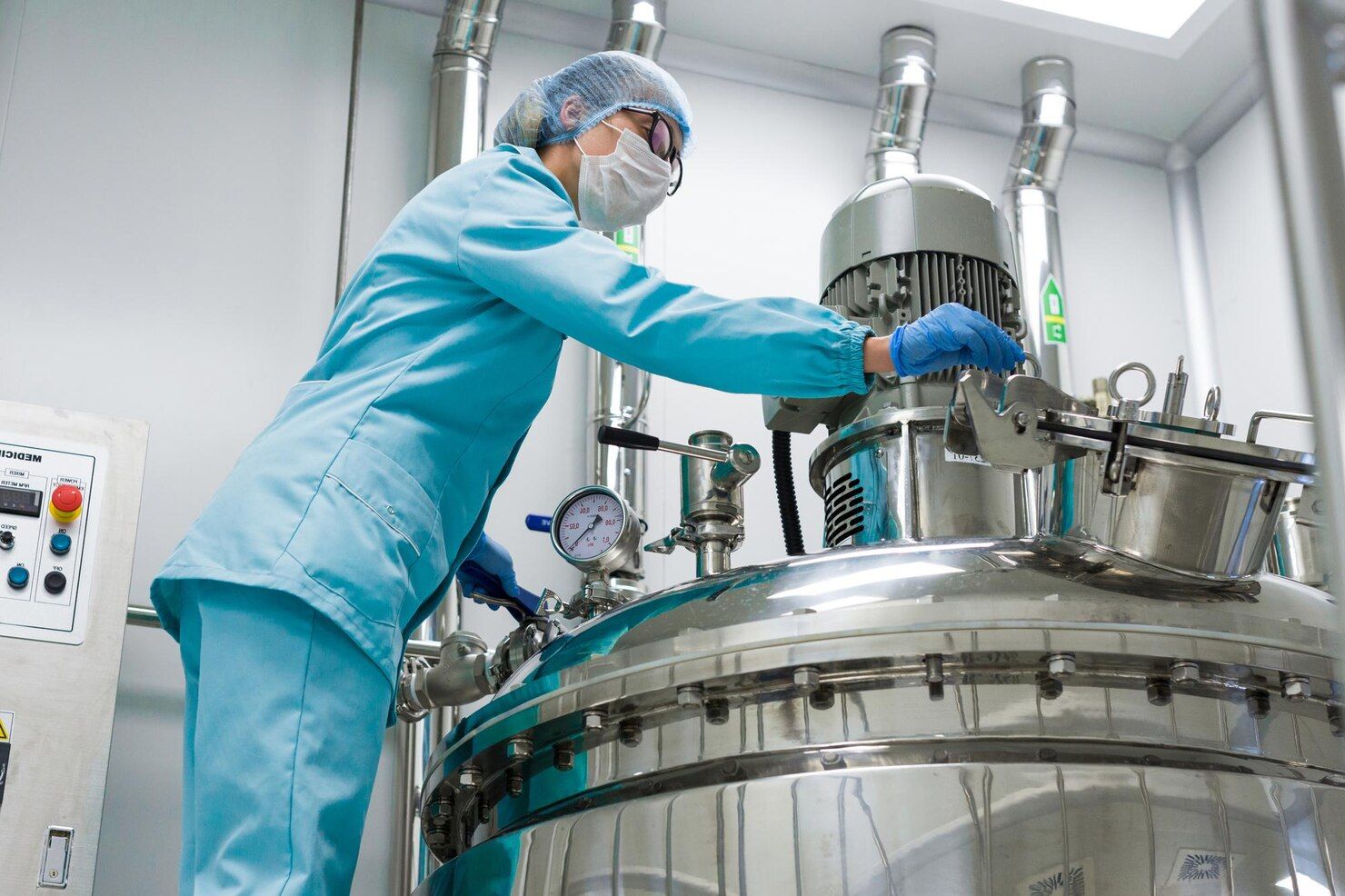
Bioreactors are specialized systems designed to support biological reactions under controlled conditions. They provide an environment where microorganisms, plant cells, or animal cells can grow and perform biological processes that produce useful substances. These systems are essential components of bioprocess engineering, an interdisciplinary field combining biology, chemistry, and engineering.
A bioreactor typically consists of a closed vessel equipped with mechanisms for controlling temperature, oxygen supply, nutrient levels, agitation, and pH balance. By maintaining stable conditions, scientists and engineers can optimize microbial or cellular activity during fermentation or cell culture.
Bioreactors are widely used in research laboratories, biotechnology facilities, and pharmaceutical manufacturing environments. Through industrial fermentation technology, they enable the production of vaccines, enzymes, antibodies, and other biologically derived materials.
The concept of controlled biological processing has evolved significantly since early fermentation techniques used in food production. Modern bioreactor systems now incorporate digital monitoring, automation, and advanced sensors that allow precise management of biological growth conditions.
Why Bioreactors Matter in Modern Biotechnology
Bioreactors play a critical role in several scientific and industrial fields. Their importance continues to increase as biotechnology becomes a key driver of innovation in healthcare, agriculture, environmental science, and sustainable manufacturing.
Several factors explain their growing relevance.
• Biopharmaceutical research relies heavily on cell culture bioreactors for studying biological compounds.
• Biotechnology manufacturing uses microbial fermentation systems to produce enzymes, hormones, and vaccines.
• Environmental biotechnology uses specialized reactors to process organic waste or develop bio-based materials.
• Food science explores fermentation processes for nutritional products and alternative proteins.
Modern medicine also benefits from advances in biopharmaceutical production technology. Bioreactors allow researchers to cultivate cells that produce monoclonal antibodies, therapeutic proteins, and other complex biological compounds that cannot be synthesized using traditional chemical methods.
The impact extends to sustainable development as well. Bioreactor technologies support the creation of biofuels, biodegradable materials, and other environmentally responsible solutions.
The following table highlights common sectors where bioreactor technology is applied.
| Industry Sector | Bioreactor Application | Example Outcomes |
|---|---|---|
| Biotechnology | Cell culture research | Vaccine development |
| Pharmaceuticals | Microbial fermentation | Therapeutic proteins |
| Environmental Science | Waste bioprocessing | Biodegradation systems |
| Agriculture | Microbial cultivation | Biofertilizer research |
| Food Science | Fermentation processes | Nutritional ingredients |
These applications demonstrate how upstream bioprocessing technologies contribute to both scientific discovery and industrial productivity.
Recent Developments in Bioreactor Technology (2024–2025)
The past year has seen notable progress in the design and use of advanced bioreactor systems. Innovations focus on automation, scalability, and sustainability.
In 2024, biotechnology companies and research institutions introduced improved single-use bioreactors. These systems use disposable containers instead of traditional stainless-steel vessels. They help simplify cleaning procedures and reduce contamination risks during research and small-scale production.
Another development gaining attention is the integration of digital monitoring technologies. Sensors now continuously measure oxygen levels, cell density, nutrient concentrations, and temperature inside the reactor. These data streams enable automated adjustments that maintain optimal growth conditions.
In 2025, research in continuous bioprocessing systems has expanded. Instead of producing biological materials in batches, continuous systems allow ongoing cultivation and product collection. This approach can improve consistency in large-scale biological manufacturing.
Artificial intelligence is also beginning to influence bioprocess optimization. Machine learning tools can analyze historical fermentation data and predict optimal operating conditions for microbial growth or protein production.
Researchers are also investigating micro-bioreactor platforms, which are small-scale systems designed for rapid experimentation. These systems allow scientists to test multiple fermentation parameters simultaneously, accelerating research in biotechnology and pharmaceutical development.
Regulations and Policy Frameworks Affecting Bioreactor Use
Bioreactor technologies are closely connected to regulatory frameworks that ensure safety, quality control, and ethical research practices. Governments and international organizations maintain guidelines that influence how biological production systems are designed and operated.
In the pharmaceutical sector, regulatory agencies require strict validation of bioprocess methods used to manufacture therapeutic products. Organizations such as the U.S. Food and Drug Administration (FDA) and the European Medicines Agency (EMA) maintain standards for biological product manufacturing.
Several regulatory areas are particularly relevant to bioreactor operations:
• Good Manufacturing Practice (GMP) standards
• Biopharmaceutical production compliance
• Biosafety guidelines for laboratory operations
• Environmental monitoring for microbial systems
Countries including India also support biotechnology development through national initiatives. The Department of Biotechnology (DBT) under the Government of India promotes research programs, innovation centers, and academic collaborations focused on biotechnology and life sciences.
These policies help ensure that biotechnology manufacturing processes remain safe, reliable, and ethically managed.
Tools and Resources for Learning About Bioreactor Technology
Many digital resources and platforms provide useful information for students, researchers, and professionals interested in bioprocess engineering and fermentation technologies.
Educational platforms, simulation tools, and scientific databases support knowledge development in this field.
Some commonly used resources include:
Scientific Learning Platforms
• Biotechnology education portals
• Online fermentation engineering courses
• university research publications
Bioprocess Simulation Tools
• fermentation modeling software
• bioprocess design simulators
• cell culture monitoring platforms
Scientific Databases
• biological research repositories
• biotechnology journals
• protein structure databases
Below is a simplified comparison table showing typical categories of tools used in bioprocess learning.
| Tool Category | Purpose | Example Use |
|---|---|---|
| Simulation Software | Model fermentation systems | Predict microbial growth |
| Research Databases | Access scientific papers | Study biotechnology research |
| Data Analysis Platforms | Analyze fermentation metrics | Optimize bioreactor performance |
| Monitoring Systems | Track environmental variables | Maintain culture stability |
These tools allow researchers and students to better understand how microbial fermentation systems operate and how different parameters influence biological productivity.
Frequently Asked Questions About Bioreactors
What is the main purpose of a bioreactor?
A bioreactor provides a controlled environment where biological organisms such as microbes or cells can grow and perform biochemical reactions. Scientists use these systems to produce biological materials or study cellular behavior.
What types of organisms are used in bioreactors?
Different types of organisms may be cultivated depending on the application. Common examples include bacteria, yeast, fungi, plant cells, and mammalian cells used in biotechnology research.
What is upstream bioprocessing in biotechnology?
Upstream bioprocessing refers to the early stages of biological production. It involves preparing cell cultures, growing microorganisms, and optimizing environmental conditions inside the bioreactor before product extraction.
How do bioreactors maintain stable biological conditions?
Bioreactors use sensors and control systems to regulate variables such as temperature, pH, oxygen supply, and nutrient concentration. These parameters are essential for maintaining healthy cell growth.
Are bioreactors only used in pharmaceutical research?
No. While pharmaceutical research is a major application, bioreactors are also used in environmental biotechnology, agriculture, food science, and biofuel development.
Understanding the Role of Bioreactors in Scientific Innovation
Bioreactors represent a foundational technology within modern biotechnology and bioprocess engineering. By providing controlled environments for biological reactions, these systems enable researchers to explore complex cellular processes and produce biologically derived materials.
Advances in automation, digital monitoring, and continuous processing have expanded the capabilities of modern cell culture bioreactors and fermentation systems. As scientific research continues to evolve, these technologies will remain central to innovations in medicine, sustainability, and biological manufacturing.
Educational resources, regulatory frameworks, and emerging digital tools are also shaping how researchers interact with industrial fermentation technology. Through improved understanding of biological systems and process optimization, bioreactors will continue to support scientific discovery and technological progress.
For students, researchers, and technology observers, learning about bioreactors provides valuable insight into how biological science and engineering intersect to create solutions that address complex global challenges.