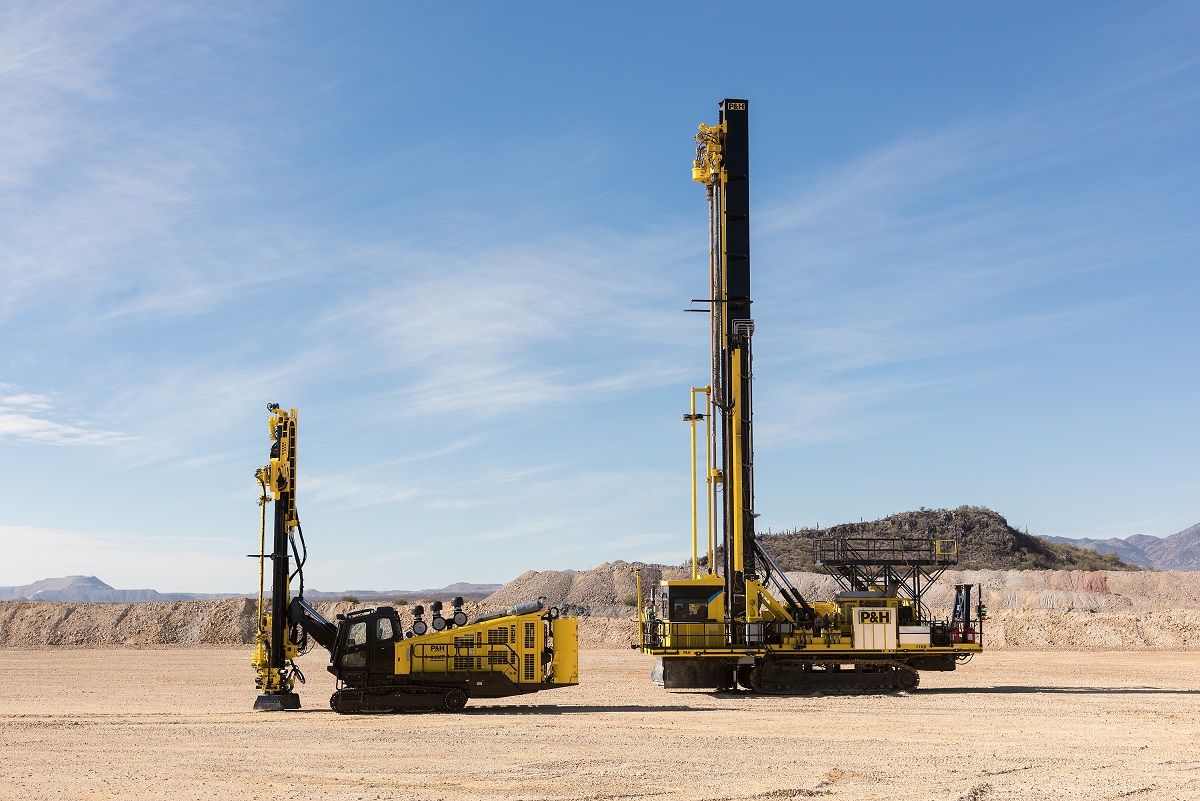
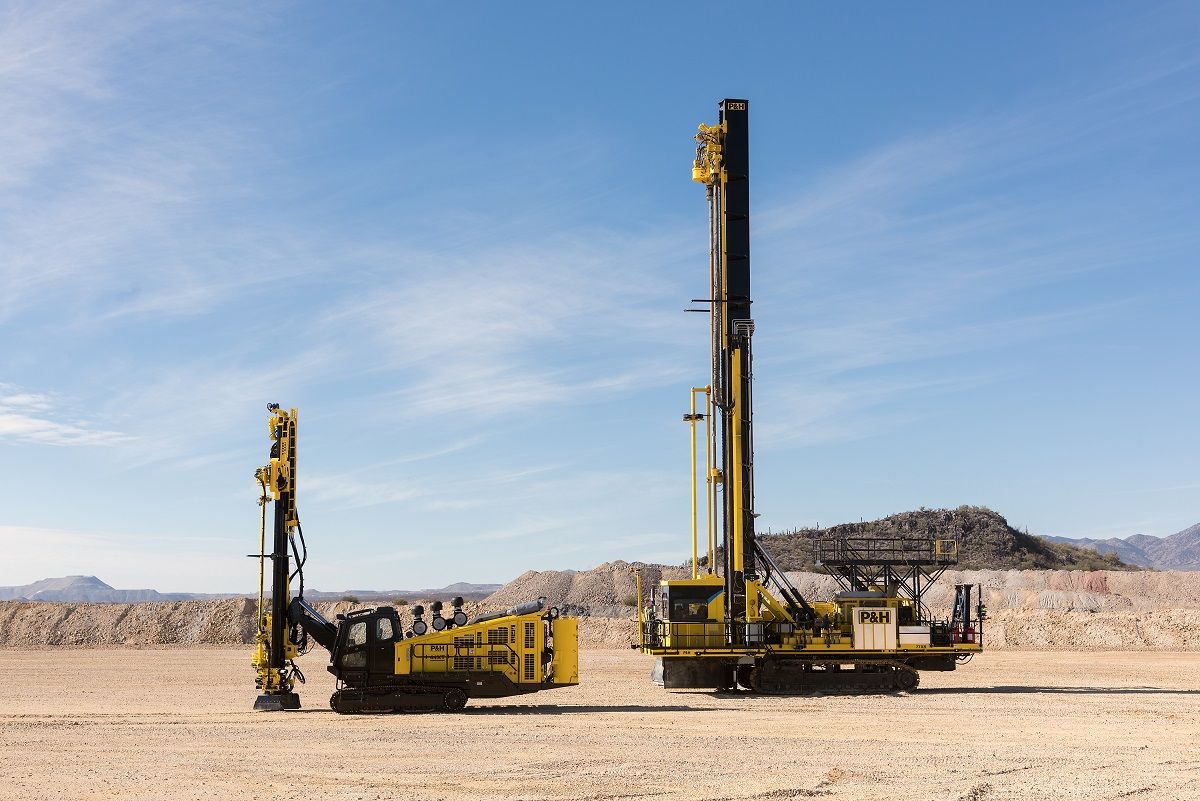
Blast hole drills are heavy industrial machines used to drill holes into rock or soil so that controlled blasting can take place. These drills are commonly used in mining, quarrying, and large-scale construction projects where rock must be fragmented before excavation.
The purpose of blast hole drilling is to create precisely placed and sized holes that allow explosives to break rock efficiently and predictably. Without accurate drilling, blasting outcomes can become uneven, leading to safety risks, material waste, or damage to surrounding structures.
Blast hole drills exist because manual or small-scale drilling methods cannot achieve the depth, diameter, or consistency required for modern surface and underground operations. These machines are designed to operate in demanding environments, often across uneven terrain and hard rock formations.
Safe operation and proper site preparation are essential parts of blast hole drilling. Together, they help ensure drilling accuracy, equipment stability, and controlled blasting outcomes.
Importance: Why Safe Operation and Site Preparation Matter Today
Blast hole drilling plays a critical role in industries that depend on rock excavation. Because drilling is the first step in blasting, errors at this stage can affect every phase that follows.
This topic affects:
-
Mining and quarry operations
-
Construction and infrastructure projects
-
Equipment operators and site supervisors
-
Safety and compliance professionals
Key problems that safe operation and site preparation help address include:
-
Equipment instability on uneven ground
-
Inaccurate hole placement or depth
-
Increased vibration and ground disturbance
-
Higher risk of accidents or equipment damage
Proper site preparation ensures that drill rigs operate on stable ground with clear access paths. Safe operation practices reduce the likelihood of mechanical failure, uncontrolled movement, or operator injury.
As projects increase in scale and complexity, consistent safety procedures and preparation standards have become more important for protecting both people and surrounding environments.
Recent Updates: Developments in the Past Year
Over the past year, blast hole drilling practices have continued to evolve, particularly in response to safety, efficiency, and monitoring needs.
Key developments since 2024 include:
-
Automation support: In 2024, more drill rigs were equipped with automated alignment and depth control systems.
-
Digital site mapping: Late 2024 saw wider use of GPS-based drilling plans to improve hole accuracy.
-
Improved operator interfaces: Early 2025 updates focused on clearer machine displays and alerts.
-
Safety monitoring tools: New sensor systems introduced in 2025 enhanced detection of ground instability and drill deviation.
-
Environmental controls: Recent guidance emphasized dust suppression and noise reduction during drilling operations.
These updates reflect a broader move toward safer, more controlled drilling environments supported by digital tools.
Laws and Policies: Regulations Affecting Blast Hole Drilling
Blast hole drilling is governed by strict safety and environmental regulations, given the high-risk nature of drilling and blasting activities.
In the United States, drilling safety practices in construction and mining are influenced by guidelines from the Occupational Safety and Health Administration and the Mine Safety and Health Administration.
Key regulatory areas include:
-
Operator training and certification requirements
-
Machine guarding and emergency controls
-
Ground stability and site inspection procedures
-
Dust, noise, and vibration management
In many countries, national mining and construction authorities issue similar regulations to control how drilling and blasting activities are planned and executed. These policies aim to reduce accidents, protect workers, and limit environmental impact.
Tools and Resources: Supporting Safe Drilling and Site Preparation
Several tools and resources help support safe blast hole drilling and effective site preparation. These are commonly used by operators, engineers, and safety teams.
Helpful resource categories include:
-
Site assessment checklists for ground conditions
-
Digital drilling plans using GPS coordinates
-
Equipment operation manuals
-
Safety training guides and reference charts
The table below outlines common preparation and operation elements:
| Area of Focus | Purpose |
|---|---|
| Ground leveling | Ensures drill stability |
| Marking drill points | Improves hole accuracy |
| Equipment inspection | Reduces mechanical failure risk |
| Dust control methods | Protects visibility and health |
| Safety exclusion zones | Limits access to active drilling |
These tools support consistent procedures across different sites and conditions.
Site Preparation: Creating a Safe Drilling Environment
Site preparation is the foundation of safe blast hole drilling. It begins with assessing ground conditions, including slope, soil stability, and rock composition.
Key preparation steps include:
-
Clearing loose material and debris
-
Leveling the drill pad area
-
Establishing access routes for equipment
-
Defining safety and exclusion zones
Proper preparation helps prevent drill rig movement during operation. It also ensures that operators have clear visibility and enough space to maneuver safely.
Weather conditions are also considered during preparation. Rain, high winds, or extreme temperatures can affect ground stability and machine performance.
Safe Operation: Managing Risks During Drilling
Safe operation focuses on how the drill is used once it is positioned on site. Operators must follow established procedures to manage mechanical, environmental, and human risks.
Core safe operation practices include:
-
Conducting pre-operation equipment checks
-
Monitoring drill alignment and penetration rate
-
Maintaining communication with site personnel
-
Responding promptly to warning indicators
Modern blast hole drills often include automated safety features, but human oversight remains essential. Clear procedures help ensure that drilling stops immediately if unsafe conditions develop.
FAQs: Common Questions About Blast Hole Drills
What is the main purpose of blast hole drilling?
It creates accurately placed holes for controlled blasting in rock or soil.
Why is site preparation important before drilling?
Proper preparation ensures drill stability and reduces safety risks.
Are blast hole drills used only in mining?
No. They are also used in quarrying and large construction projects.
How do regulations affect drilling operations?
They define safety requirements, operator training, and environmental controls.
Do modern drills reduce safety risks?
Yes. New monitoring and automation features support safer operation when used correctly.
Conclusion
Blast hole drills are essential machines for mining, quarrying, and large-scale construction projects. Their effectiveness depends not only on mechanical capability but also on careful site preparation and safe operating practices.
Recent developments show increased use of automation, digital planning, and safety monitoring tools. At the same time, laws and policies continue to guide how drilling activities are carried out to protect workers and surrounding areas.
By understanding the basics of blast hole drills, site preparation, and safe operation, it becomes easier to appreciate how controlled drilling supports efficient and responsible excavation work.