Cable manufacturing machines are specialized industrial systems used to produce electrical, fiber optic, and communication cables at scale. These machines exist because modern energy distribution, data connectivity, and industrial automation rely on cable systems with consistent conductive quality, insulation, and durability. Without precision manufacturing, cables would be unreliable and unsafe for use in homes, infrastructure, vehicles, networks, and industrial facilities.
Early cable production relied on manual processes such as insulation, extrusion, and winding. Over time, these processes evolved into automated and semi-automated systems capable of continuous production with minimal human involvement. Modern cable manufacturing machines integrate electrical engineering, material science, precision control, and automated monitoring systems.
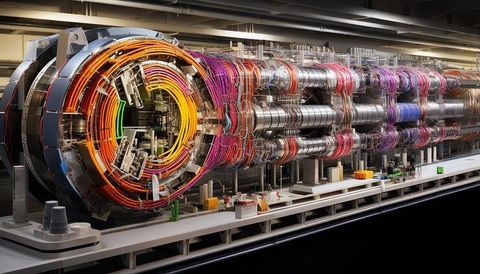
Common machines include copper drawing machines, extrusion lines, stranding machines, armoring systems, fiber optic assembly units, and coiling equipment. Each performs a specific role in shaping conductors, applying insulation, strengthening cables, and preparing them for distribution.
Cable manufacturing machines support industries such as utilities, telecommunications, automotive, aerospace, construction, renewable energy, and industrial automation.
Importance of Cable Manufacturing Machines
Why These Machines Matter
Cable systems are essential for power transmission, communication, and industrial connectivity. Manufacturing machines ensure cables are produced efficiently, safely, and at scale.
Key importance includes:
- Support global infrastructure such as buildings, transport, and data centers
- Ensure precision in insulation, conductivity, and thermal resistance
- Enable high-speed communication through fiber optic production
- Improve efficiency with automated and continuous production systems
Industries That Benefit
Cable manufacturing machines serve multiple sectors:
- Electrical engineering and power systems
- Smart buildings and infrastructure
- Automotive wiring systems
- Aerospace communication networks
- Marine and offshore installations
- Solar and wind energy systems
Recent Updates and Trends (2024–2025)
Growth in EV Cable Production
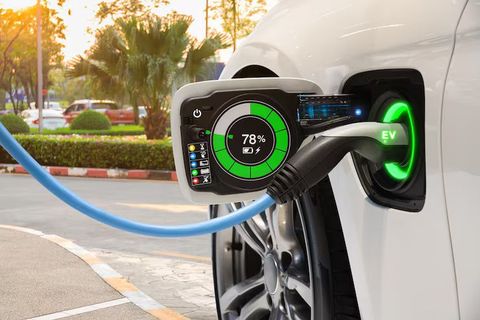
Electric vehicle expansion has increased demand for high-voltage and heat-resistant cables. New machines focus on better insulation and conductor stability.
Sensor-Based Production Monitoring
Modern systems use cameras, lasers, and real-time diagnostics to detect defects and ensure quality during manufacturing.
Expansion of Fiber Optic Manufacturing
Increased demand for broadband and smart grids has led to scaling of fiber optic cable production with modular machine designs.
Sustainable Cable Materials
Manufacturers are adopting recycled polymers, halogen-free insulation, and eco-friendly coatings to reduce environmental impact.
Improved Safety and User Interfaces
Modern machines feature touch-screen controls, automated shutdown systems, and energy-efficient operations to enhance safety and usability.
Trend Overview Table
| Year | Automation Growth | Fiber Demand | EV Cable Focus | Sustainable Materials |
|---|---|---|---|---|
| 2022 | Moderate | High | Low | Moderate |
| 2023 | High | High | Moderate | High |
| 2024 | Very High | Very High | High | Very High |
| 2025 | Very High | Very High | Very High | High |
Laws, Policies, and Regulations
Electrical Standards
Cable manufacturing must comply with international standards such as:
- National Electrical Code (NEC)
- International Electrotechnical Commission (IEC) standards
- European BS and EN standards
These standards define safety, insulation, voltage ratings, and performance requirements.
Material Regulations
Regulations restrict hazardous substances in cable materials. For example:
- RoHS limits harmful elements like lead and mercury
- Halogen-free materials reduce toxic emissions
Testing and Certification
Cables are tested for durability and safety by organizations such as:
- UL (Underwriters Laboratories)
- CSA (Canadian Standards Association)
- TÜV (Technical Inspection Association)
Environmental and Worker Safety Policies
Policies encourage:
- Waste reduction and energy efficiency
- Recycling of materials
- Safe machine operation and workplace standards
Tools and Resources
Cable Design and Engineering Tools
- Insulation thickness calculators
- Electrical load and current capacity tools
- CAD design software for cable systems
- Machine design templates
Standards and Certification Resources
- UL Product databases
- IEC specification libraries
- Electrical code reference platforms
Monitoring and Diagnostics Tools
- Real-time condition monitoring systems
- Strain and tension measurement tools
- Inline diameter and insulation gauges
Learning and Technical Resources
- Engineering tutorials for cable manufacturing processes
- Material performance databases
- Training resources on extrusion, stranding, and fiber systems
Types of Cable Manufacturing Machines
| Machine Type | Primary Use | Key Function |
|---|---|---|
| Wire Drawing Machine | Conductor shaping | Reduces metal diameter |
| Extrusion Line | Insulation application | Applies polymer layers |
| Stranding Machine | Conductor assembly | Twists wires for strength |
| Armoring Unit | Cable protection | Adds protective layers |
| Coiling Machine | Product finishing | Prepares cables for transport |
FAQs
What do cable manufacturing machines do?
They automate production steps such as conductor shaping, insulation, and finishing to ensure consistent cable quality.
What materials are used in cable production?
Common materials include copper or aluminum conductors and insulation such as PVC, polyethylene, XLPE, or halogen-free polymers.
Why are certifications important?
Certifications ensure cables meet safety, durability, and performance standards before use in infrastructure and systems.
Can machines produce different cable types?
Yes. Many machines are modular and adjustable for different sizes, materials, and configurations.
Which industries rely on cable manufacturing?
Industries include utilities, telecommunications, automotive, aerospace, renewable energy, and industrial automation.
Conclusion
Cable manufacturing machines are essential for producing reliable electrical and communication systems. They support global infrastructure, energy distribution, and digital connectivity through efficient and precise production processes.
Advancements in automation, sustainability, and monitoring technologies continue to improve cable quality and manufacturing efficiency. Understanding these systems helps engineers, planners, and learners make informed decisions in electrical and industrial applications.