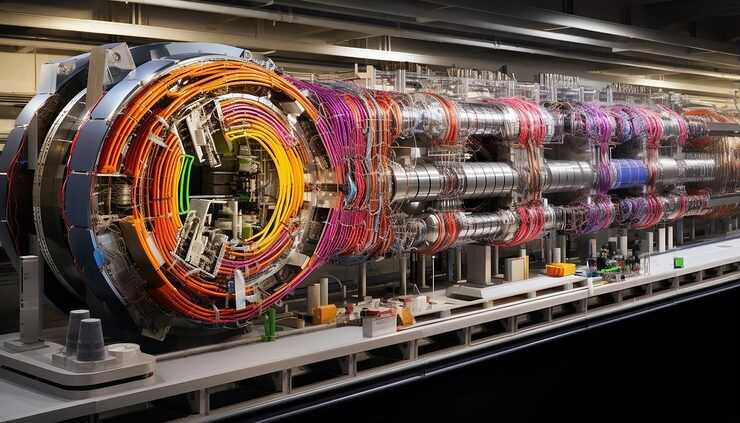
Cable manufacturing refers to the industrial process of producing electrical, data, and communication cables used to transmit power, signals, or information. Cables exist because modern systems require safe, reliable, and controlled pathways for electricity and data to travel between devices, machines, and infrastructure. From power distribution networks to internet connectivity and industrial automation, cables form the backbone of connected systems.
The cable manufacturing process has developed over decades to meet growing demands for higher performance, safety, and durability. Early cables were simple metal conductors with basic insulation. Today, cable designs are more advanced, incorporating multiple layers, shielding, and specialized materials to handle high voltage, data speed, environmental exposure, and mechanical stress. Cable manufacturing supports a wide range of industries, including energy, construction, telecommunications, transportation, and manufacturing.
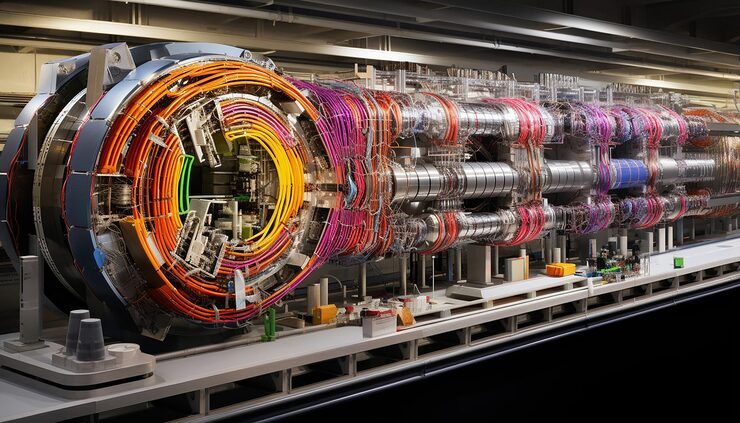
Importance: Why Cable Manufacturing Matters Today
Cable manufacturing plays a critical role in supporting modern infrastructure and digital transformation. As societies rely more on electricity, data networks, and automation, the demand for reliable cable systems continues to grow. This topic matters to engineers, planners, technicians, utility operators, and policymakers who depend on consistent cable performance for safety and efficiency.
Key reasons cable manufacturing is important today include:
-
Expansion of power grids and renewable energy systems
-
Growth of data centers, cloud computing, and broadband networks
-
Increased automation in industrial and manufacturing environments
-
Rising safety and efficiency standards in buildings and transportation
Cables solve problems related to energy transmission, signal integrity, and system reliability. Properly manufactured cables help reduce power loss, prevent electrical hazards, and ensure stable data communication across short and long distances.
Cable Manufacturing Processes Explained
Cable manufacturing involves several controlled steps that transform raw materials into finished cable products. Each process stage affects the electrical, mechanical, and environmental performance of the final cable.
Common cable manufacturing processes include:
-
Conductor drawing, where metal rods are drawn into thin wires
-
Stranding, which combines multiple wires for flexibility and strength
-
Insulation extrusion, where protective layers are applied around conductors
-
Shielding, used to reduce electromagnetic interference
-
Sheathing, adding an outer protective jacket
Table: Key Cable Manufacturing Processes and Their Purpose
| Process Stage | Description | Functional Outcome |
|---|---|---|
| Wire Drawing | Reduces metal diameter | Improves conductivity |
| Stranding | Twists multiple wires | Enhances flexibility |
| Insulation | Applies dielectric material | Prevents short circuits |
| Shielding | Adds conductive layers | Reduces signal noise |
| Sheathing | Outer protective layer | Protects from damage |
Each stage is monitored for precision to ensure the cable meets electrical and mechanical specifications.
Materials Used in Cable Manufacturing
Material selection is a critical factor in cable manufacturing because it directly affects performance, safety, and lifespan. Different applications require different combinations of conductive and insulating materials.
Common materials used include:
-
Copper, valued for high electrical conductivity
-
Aluminum, used where lightweight properties are important
-
PVC, a widely used insulation and sheathing material
-
XLPE, known for heat and voltage resistance
-
Rubber compounds, used in flexible and industrial cables
Table: Common Cable Materials and Characteristics
| Material | Primary Use | Key Property |
|---|---|---|
| Copper | Conductors | High conductivity |
| Aluminum | Conductors | Lightweight |
| PVC | Insulation/Sheathing | Versatile protection |
| XLPE | Insulation | Thermal resistance |
| Rubber | Insulation | Flexibility |
The correct combination of materials ensures that cables perform reliably under specific electrical loads and environmental conditions.
Uses of Manufactured Cables Across Industries
Manufactured cables are used in nearly every sector that relies on electricity or data. Their design and construction vary depending on the application environment and performance requirements.
Major cable applications include:
-
Power transmission and distribution systems
-
Building wiring for residential and commercial structures
-
Data and communication networks
-
Industrial machinery and automation systems
-
Transportation systems, including rail and automotive
Different cable types are engineered to handle factors such as voltage level, temperature, moisture, and mechanical movement, ensuring safe operation in diverse settings.
Recent Updates: Trends and Developments in the Past Year
In 2024 and early 2025, cable manufacturing reflected broader trends in energy transition and digital infrastructure. One major development was the increased production of cables designed for renewable energy installations, particularly solar and wind power projects. These cables require improved insulation performance and long-term durability.
Another notable trend involved data cable manufacturing. With continued growth in cloud computing and artificial intelligence infrastructure, manufacturers focused on cables supporting higher data transmission speeds and reduced signal loss. Updates to international technical standards published in late 2024 emphasized improved fire resistance and low-smoke insulation materials.
Sustainability also gained attention. Throughout 2024, manufacturers explored recyclable insulation materials and more efficient production processes to reduce environmental impact while maintaining cable performance.
Laws and Policies Affecting Cable Manufacturing
Cable manufacturing is influenced by safety regulations, electrical standards, and environmental policies. In many countries, cables must comply with national electrical codes and international standards before they are used in buildings or infrastructure.
Regulatory considerations commonly include:
-
Electrical safety standards for insulation and voltage ratings
-
Fire performance requirements for building cables
-
Environmental regulations related to material composition
-
Government infrastructure programs that specify approved cable types
Public infrastructure and energy projects often require cables that meet certified technical specifications. These policies help ensure safety, reliability, and long-term system performance.
Tools and Resources for Cable Manufacturing Knowledge
Various tools and references support understanding cable manufacturing processes and applications. These resources focus on technical guidance and standardization.
Helpful tools and resources include:
-
Cable sizing calculators for current and voltage requirements
-
Material compatibility charts for insulation selection
-
Technical handbooks on electrical and data cable design
-
Standards documents outlining testing and compliance criteria
-
Process flow templates used in manufacturing planning
Table: Example Cable Selection Reference
| Application Type | Typical Cable Feature | Key Requirement |
|---|---|---|
| Power Distribution | Thick insulation | Voltage handling |
| Data Networks | Twisted or shielded | Signal integrity |
| Industrial Equipment | Flexible sheath | Mechanical movement |
These tools help engineers and technicians select appropriate cables for different environments and loads.
FAQs: Common Questions About Cable Manufacturing
What is the main purpose of cable insulation?
Insulation prevents electrical leakage, protects users from electric shock, and ensures safe separation between conductors.
Why are different conductor materials used?
Different materials offer varying conductivity, weight, and mechanical properties, making them suitable for specific applications.
How does shielding improve cable performance?
Shielding reduces electromagnetic interference, helping maintain signal quality in data and control cables.
Are all cables manufactured the same way?
No. Manufacturing steps and materials vary based on cable type, voltage rating, and application environment.
What factors affect cable lifespan?
Material quality, operating temperature, mechanical stress, and environmental exposure all influence cable durability.
Conclusion
Cable manufacturing is a foundational industrial process that supports power delivery, communication, and automation systems worldwide. By combining precise manufacturing processes with carefully selected materials, cables are engineered to meet demanding electrical and environmental requirements. Recent developments highlight growing needs in renewable energy, data infrastructure, and sustainability, while regulations ensure safety and standardization.
A clear understanding of cable manufacturing processes, materials, and uses helps industries design reliable systems and maintain long-term operational stability. As infrastructure and technology continue to evolve, cable manufacturing remains a key element of modern industrial development.