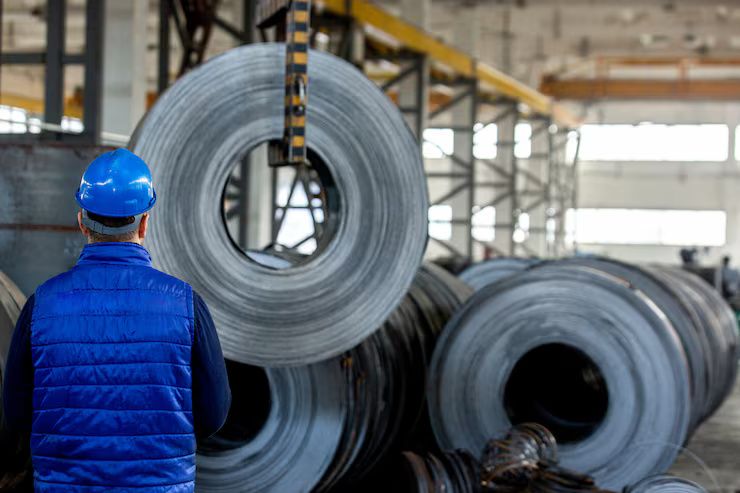
Carbon steel sheets are widely used industrial materials composed primarily of iron and carbon, with varying carbon content influencing their mechanical properties. These sheets are essential in manufacturing, construction, automotive, and heavy engineering due to their strength, durability, and cost-effectiveness. Depending on carbon content, carbon steel is typically classified into low, medium, and high carbon categories, each suited for specific applications.
In recent years, the demand for carbon steel sheets has remained strong due to infrastructure development, industrial expansion, and growth in manufacturing sectors globally. Trends such as lightweight engineering, sustainability considerations, and advancements in steel processing technologies are shaping how carbon steel is produced and used. Additionally, fluctuations in raw material prices and environmental regulations are influencing supply chains and production methods.
Understanding the properties and applications of carbon steel sheets is important for engineers, manufacturers, and procurement professionals. It helps in selecting the right material for specific industrial needs, ensuring performance, cost efficiency, and compliance with modern standards.
Who It Affects and What Problems It Solves
Carbon steel sheets impact a wide range of industries and stakeholders. Construction companies rely on them for structural components, roofing, and reinforcement. Automotive manufacturers use carbon steel sheets for body panels and structural parts due to their strength and formability. Machinery manufacturers depend on these materials for equipment fabrication and industrial components.
Procurement managers, engineers, and designers must carefully select the appropriate grade of carbon steel based on application requirements. The material's versatility makes it suitable for both large-scale industrial use and smaller fabrication projects.
Problems It Solves
- Structural Strength Needs: Provides high tensile strength for load-bearing applications
- Cost Constraints: Offers a cost-effective alternative to alloy or stainless steel
- Formability Requirements: Easy to cut, bend, and shape for various designs
- Durability Issues: Suitable for long-term use in demanding environments
- Material Availability: Widely available in different grades and sizes
- Manufacturing Efficiency: Supports mass production and fabrication processes
Carbon steel sheets are a practical solution for balancing performance and cost across industries.
Recent Updates and Industry Trends
The carbon steel sheet industry has seen several developments over the past year:
- Sustainable Steel Production: Increased focus on reducing carbon emissions in steel manufacturing
- Advanced Coating Technologies: Improved corrosion resistance through galvanization and protective coatings
- Lightweight Engineering Trends: Optimization of material thickness without compromising strength
- Digital Manufacturing Integration: Use of automation and data analytics in steel processing
- Global Price Fluctuations: Influenced by raw material costs and energy prices
- Infrastructure Growth: Rising demand in developing economies, including India
These trends highlight the ongoing evolution of carbon steel production and application in modern industries.
Comparison Table: Types of Carbon Steel Sheets
| Type of Carbon Steel | Carbon Content | Key Properties | Common Applications |
|---|---|---|---|
| Low Carbon Steel | 0.05%–0.25% | High ductility, easy to form | Automotive panels, construction |
| Medium Carbon Steel | 0.25%–0.60% | Balanced strength and ductility | Machinery parts, structural components |
| High Carbon Steel | 0.60%–1.0% | High strength, lower ductility | Tools, cutting equipment |
Laws, Policies, and Government Regulations
Carbon steel sheet production and usage are influenced by various regulations and standards.
Key Regulations
- Bureau of Indian Standards (BIS): Defines quality standards for steel products
- Environmental Regulations: Control emissions and waste in steel manufacturing
- Import and Export Policies: Affect availability and pricing of steel materials
- Safety Standards: Ensure proper handling and usage in industrial applications
Practical Guidance
- Construction Sector: Must comply with structural safety standards and material specifications
- Manufacturing Units: Should ensure quality certification and material traceability
- Export-Oriented Businesses: Must meet international standards for steel products
- Sustainability Compliance: Adoption of eco-friendly practices is increasingly important
Following these regulations ensures quality, safety, and compliance in industrial use.
Tools and Resources
Several tools and resources help in selecting and using carbon steel sheets effectively:
Digital Tools
- Material selection software
- Engineering design and simulation tools
Testing Tools
- Tensile strength testing equipment
- Hardness testing machines
Industry Resources
- Steel grade standards and specification manuals
- Manufacturer technical datasheets
Planning Tools
- Cost estimation and procurement planning tools
- Inventory management systems
Training Resources
- Engineering and metallurgy courses
- Fabrication and welding training programs
These resources support informed decision-making and efficient material utilization.
Frequently Asked Questions (FAQ)
What are carbon steel sheets?
Carbon steel sheets are flat steel products made primarily of iron and carbon, used in various industrial applications.
What is the difference between low and high carbon steel?
Low carbon steel is more ductile and easier to form, while high carbon steel is stronger but less flexible.
Are carbon steel sheets corrosion-resistant?
They are not naturally corrosion-resistant but can be treated with coatings or galvanization.
What industries use carbon steel sheets?
Industries such as construction, automotive, manufacturing, and machinery use these materials.
How are carbon steel sheets selected for applications?
Selection depends on factors like strength, ductility, cost, and environmental conditions.
Conclusion
Carbon steel sheets remain a fundamental material in industrial applications due to their versatility, strength, and cost efficiency. Different carbon levels provide a range of properties suitable for various uses, from construction to precision tools.
Recent trends indicate a growing focus on sustainability, advanced coatings, and efficient manufacturing processes. Data-driven insights suggest that carbon steel continues to dominate due to its balance of performance and affordability.
For most industrial applications, low to medium carbon steel sheets offer the best combination of strength, flexibility, and cost-effectiveness. High carbon steel is suitable for specialized uses requiring greater hardness. Overall, selecting the right type of carbon steel sheet depends on application requirements, environmental conditions, and regulatory compliance.