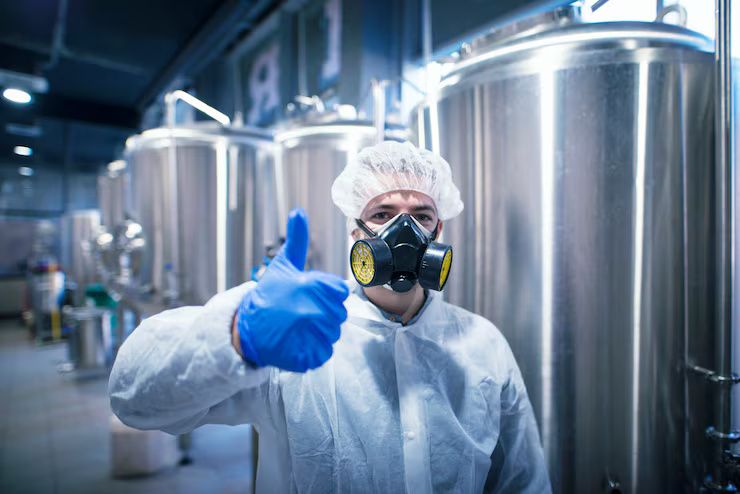
The chemical industry is a sector focused on transforming raw materials into useful products through controlled chemical reactions. These products range from basic industrial chemicals to materials used in agriculture, manufacturing, healthcare, and everyday consumer goods.
This industry exists because many natural resources cannot be used directly in their raw form. Chemical processes make it possible to convert minerals, hydrocarbons, air, and water into substances with specific properties and functions. Over time, the chemical industry became a foundation for modern industrial development, supporting everything from construction materials to energy systems.
At the center of chemical production are raw materials and reactions. Raw materials provide the starting substances, while chemical reactions describe how these substances interact and change. Understanding these basics helps explain how large-scale chemical production operates and why it plays such a central role in the global economy.
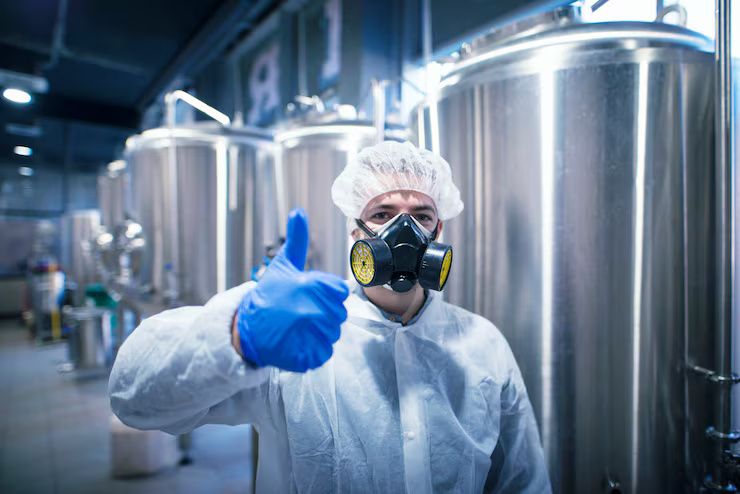
Importance: Why Raw Materials and Chemical Reactions Matter Today
Raw materials and chemical reactions matter because they determine what the chemical industry can produce and how efficiently it can operate. As global demand grows for materials, energy, and food, chemical processes help meet these needs at scale.
This topic affects:
-
Manufacturing and industrial supply chains
-
Agriculture and food production
-
Energy and materials development
-
Environmental and safety planning
Key problems the chemical industry helps solve include:
-
Converting natural resources into usable materials
-
Producing fertilizers to support food systems
-
Creating materials with specific strength or durability
-
Managing reactions safely and consistently
Chemical reactions must be carefully controlled to ensure predictable outcomes. Temperature, pressure, and catalysts are managed to guide reactions toward desired products. This level of control allows industries to produce consistent materials in large quantities.
Recent Updates: Developments in the Past Year
Over the past year, the chemical industry has continued to adapt to technological and environmental priorities.
Key developments since 2024 include:
-
Greater focus on feedstock efficiency: In 2024, chemical producers emphasized improving yields from existing raw materials.
-
Process optimization: Late 2024 saw wider use of digital modeling to simulate chemical reactions before full-scale production.
-
Lower-emission processes: Early 2025 introduced updated reaction pathways aimed at reducing energy use.
-
Catalyst innovation: New catalyst designs discussed in 2025 improved reaction selectivity and stability.
-
Supply chain adjustments: Throughout 2024 and 2025, the industry adapted to changing availability of key raw materials.
These updates highlight ongoing efforts to balance production needs with efficiency and environmental considerations.
Laws and Policies: Regulations Affecting Chemical Production
Chemical industry operations are shaped by regulations designed to protect workers, communities, and the environment. These rules govern how raw materials are handled and how reactions are managed.
International standards from the International Organization for Standardization influence chemical testing methods, safety documentation, and quality management systems.
In the United States, workplace safety related to chemical handling and reactions is guided by the Occupational Safety and Health Administration. These guidelines address exposure limits, storage practices, and emergency procedures.
Common regulatory focus areas include:
-
Hazard communication and labeling
-
Safe storage of raw materials
-
Control of reaction conditions
-
Waste and emissions management
These policies aim to ensure that chemical reactions are carried out responsibly and transparently.
Tools and Resources: Understanding Chemical Processes
A range of tools and resources support learning and managing chemical industry operations. These tools help professionals analyze reactions and handle materials safely.
Useful resource categories include:
-
Chemical reaction databases
-
Material safety data references
-
Process flow diagrams
-
Laboratory simulation software
The table below summarizes common raw materials and their typical roles:
| Raw Material Type | Common Examples | Typical Use |
|---|---|---|
| Hydrocarbons | Natural gas, oil | Fuels, plastics, solvents |
| Minerals | Limestone, phosphates | Cement, fertilizers |
| Air components | Nitrogen, oxygen | Industrial gases, chemicals |
| Water | Purified water | Reaction medium, cooling |
| Biomass | Plant-based materials | Renewable chemical feedstocks |
These resources help explain how raw materials are selected and processed.
Raw Materials: Where Chemical Production Begins
Raw materials are the starting point of chemical manufacturing. They can be sourced from the earth, air, water, or biological systems.
Common raw material categories include:
-
Fossil-based feedstocks used in petrochemicals
-
Mineral-based inputs for inorganic chemicals
-
Renewable resources such as biomass
Each raw material has specific chemical properties that influence how it reacts. Purity, availability, and consistency are important factors in large-scale production.
Chemical Reactions: Transforming Substances Safely
Chemical reactions describe how substances interact to form new compounds. In the chemical industry, reactions are designed to occur under controlled conditions.
Key reaction types include:
-
Synthesis reactions that combine substances
-
Decomposition reactions that break compounds apart
-
Oxidation and reduction reactions involving electron transfer
Reactions often take place in specialized equipment called reactors. Conditions such as heat, pressure, and catalysts are adjusted to control reaction speed and product formation.
Reaction Control: Why Conditions Matter
Controlling reaction conditions is essential for safety and efficiency. Uncontrolled reactions can release excess heat or produce unwanted byproducts.
Important control factors include:
-
Temperature regulation
-
Pressure management
-
Catalyst selection
-
Reaction time monitoring
By managing these factors, chemical producers ensure that reactions proceed predictably and safely.
FAQs: Common Questions About the Chemical Industry
What are raw materials in the chemical industry?
They are basic substances used as inputs for chemical production.
Why are chemical reactions controlled so carefully?
Control ensures safety, efficiency, and consistent product quality.
Are all chemical reactions industrially useful?
No. Only reactions that can be managed safely and economically are used at scale.
Do raw materials affect reaction outcomes?
Yes. Purity and composition influence reaction behavior.
Is the chemical industry regulated?
Yes. It operates under safety, environmental, and quality regulations.
Conclusion
The chemical industry is built on the transformation of raw materials through carefully managed chemical reactions. These processes support a wide range of industries and everyday products.
Recent developments show continued improvement in efficiency, reaction control, and material use. At the same time, laws and standards guide safe and responsible operation.
By understanding the basics of raw materials and chemical reactions, readers gain clearer insight into how chemical production works and why it remains essential to modern society.