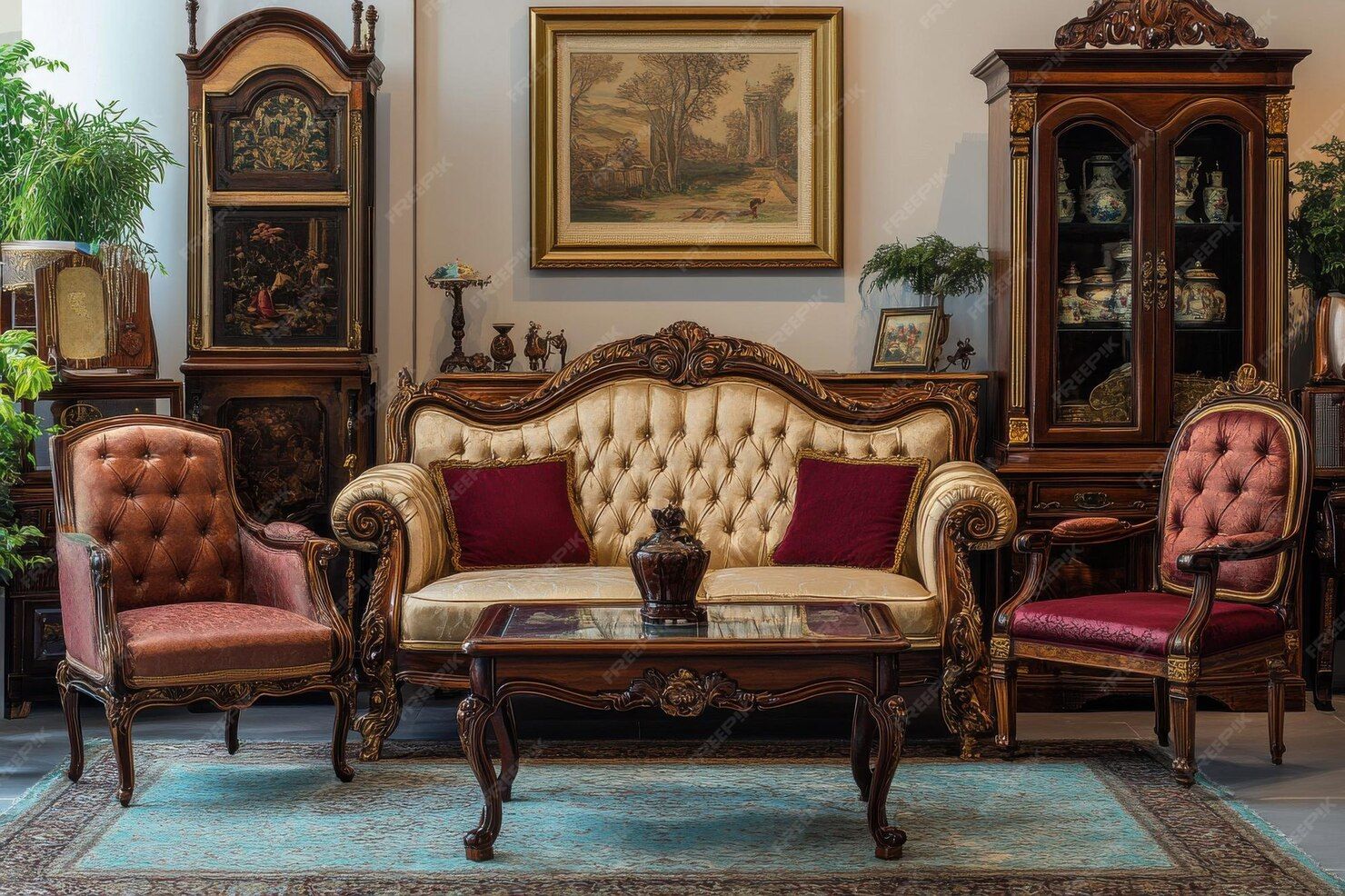
A classic heritage sofa represents a traditional furniture design that reflects craftsmanship, durability, and historical style influences. These sofas are inspired by designs that originated in earlier centuries, particularly from European furniture traditions such as Victorian, Edwardian, and French classical styles.
Unlike contemporary furniture that focuses on minimalism, heritage sofas emphasize ornate details, carved wooden frames, and luxurious upholstery materials. These design features highlight the artistic skills of furniture makers who historically crafted pieces intended to last for generations.
Historically, heritage furniture developed during periods when furniture served not only a functional role but also symbolized cultural identity and social status. Homes and estates often featured handcrafted sofas made from solid wood and natural fabrics such as velvet, leather, or linen.
Today, the classic heritage sofa continues to exist because it connects traditional craftsmanship with modern interior aesthetics. Designers and homeowners often incorporate heritage furniture to create warm, timeless living spaces that reflect history and design heritage.
Common characteristics of heritage sofas include:
- Decorative wooden frames
- Curved armrests and carved details
- Tufted upholstery designs
- Deep seating for comfort
- Durable natural materials
These features make heritage sofas recognizable as pieces that balance functional seating with artistic design traditions.
Why Classic Heritage Sofas Matter Today
Classic heritage sofas remain relevant in modern homes because they address several practical and design-related needs.
One important aspect is durability. Traditional furniture construction techniques often involve hardwood frames and reinforced joints. This makes heritage sofas more durable compared with many lightweight furniture designs.
Another factor is design longevity. Interior design trends change frequently, but heritage furniture styles have remained recognizable for decades. Because of their classic aesthetic, these sofas are often used in homes that aim for timeless décor rather than short-term trends.
Classic heritage sofas also influence the following areas:
- Interior architecture – Designers use heritage sofas to complement traditional room layouts.
- Furniture craftsmanship education – Students studying woodworking or upholstery often examine heritage furniture techniques.
- Cultural preservation – Heritage designs reflect regional furniture traditions and historical craftsmanship methods.
The increasing interest in sustainable living and long-lasting products has also renewed attention on furniture that emphasizes durability and repairability.
Many homeowners prefer furniture that can remain functional for years instead of frequently replacing items. Heritage sofas align with this idea because their construction methods often allow reupholstering or restoration.
Recent Trends and Developments in Heritage Furniture (2024–2025)
During the past year, several trends have influenced the way classic heritage sofas are designed and used in modern interiors.
Interior design research reports in 2024 highlighted a growing interest in traditional craftsmanship combined with modern comfort technologies. Furniture manufacturers began integrating updated cushioning materials while maintaining historical design elements.
Some key developments include:
Blending heritage and modern interiors
Designers increasingly combine heritage sofas with modern décor elements such as minimalist lighting and contemporary rugs. This approach creates a balance between historical style and modern functionality.
Sustainable materials
Sustainability trends in 2024 and early 2025 encouraged the use of responsibly sourced wood and environmentally conscious upholstery materials. Many furniture designers now highlight sustainable timber and natural fibers.
Customization and modular adaptation
Heritage sofas are now sometimes designed with adjustable sections or modular components that maintain classic styling but improve layout flexibility.
Digital interior planning tools
Interior design software released in 2024 allows users to visualize heritage furniture within virtual room layouts. This helps homeowners understand how traditional furniture can fit modern living spaces.
These trends demonstrate that heritage furniture continues evolving while preserving its historical design identity.
Regulations and Policies Affecting Furniture Production
Furniture design and manufacturing are influenced by various regulations related to materials, safety, and environmental sustainability. These policies vary by country but often share common goals.
Some important regulatory areas include:
Wood sourcing regulations
Many countries implement policies that require responsible forestry practices. Programs such as sustainable forestry certification help ensure that wood used in furniture production originates from legally managed forests.
Chemical and upholstery standards
Governments often regulate chemicals used in furniture materials, including adhesives, dyes, and upholstery treatments. These rules help reduce indoor air pollution and improve household safety.
Fire safety standards
Furniture upholstery in several regions must meet fire resistance requirements. These regulations influence how sofas are constructed and what materials can be used in cushions and fabrics.
Environmental manufacturing guidelines
Some governments provide environmental guidelines encouraging manufacturers to reduce waste and adopt energy-efficient production methods.
These policies help ensure that furniture products—including heritage sofas—are manufactured responsibly and safely.
Tools and Resources for Understanding Heritage Furniture
Many digital tools and educational resources help individuals learn about classic furniture design and interior planning.
Below are commonly used resources related to heritage furniture knowledge.
| Tool Type | Purpose |
|---|---|
| Interior Design Software | Helps visualize furniture placement and room layouts |
| Furniture Material Databases | Provide information on wood types and upholstery materials |
| Room Layout Calculators | Estimate sofa placement and space requirements |
| Craftsmanship Tutorials | Teach traditional woodworking and upholstery techniques |
| Architecture & Design Websites | Offer educational insights into furniture styles |
Useful digital resources may include:
- Interior planning applications
- Furniture dimension calculators
- Virtual room layout tools
- Educational architecture platforms
- Craftsmanship training materials
These resources help designers, homeowners, and students better understand traditional furniture construction and styling.
Heritage Sofa Structure Overview
The structural components of a classic heritage sofa contribute to its durability and design character.
| Component | Function |
|---|---|
| Frame | Provides structural support, typically hardwood |
| Upholstery | Fabric or leather covering for comfort |
| Cushioning | Adds seating comfort and shape |
| Armrests | Decorative and functional side supports |
| Legs or Base | Stabilizes the sofa and influences visual style |
Traditional craftsmanship often includes hand-carved details and reinforced joints, which contribute to the longevity of the furniture piece.
Common Design Elements in Classic Heritage Sofas
Several design patterns frequently appear in heritage sofas.
- Button-tufted upholstery
- Rolled or curved arms
- Decorative wood carvings
- Symmetrical frame structures
- Rich textile patterns
These elements originate from historical design movements such as classical European interior design.
Frequently Asked Questions
What defines a classic heritage sofa?
A classic heritage sofa is typically defined by traditional design elements such as carved wooden frames, tufted upholstery, and durable construction methods inspired by historical furniture styles.
How are heritage sofas different from modern sofas?
Heritage sofas focus on decorative craftsmanship and traditional materials, while modern sofas often emphasize minimal design, lightweight frames, and simplified aesthetics.
What materials are commonly used in heritage sofas?
Common materials include hardwood frames, natural fabrics such as velvet or linen, leather upholstery, and dense cushioning materials that provide long-lasting comfort.
Are heritage sofas still used in modern homes?
Yes. Many interior designers combine heritage furniture with contemporary décor to create balanced spaces that blend historical style with modern design elements.
Why is craftsmanship important in heritage furniture?
Craftsmanship ensures durability and preserves traditional furniture-making techniques that have been refined over generations.
Conclusion
Classic heritage sofas represent more than simple seating furniture. They reflect centuries of design evolution, skilled craftsmanship, and cultural heritage in furniture production.
These sofas remain relevant today because they combine durability, artistic design, and timeless aesthetic appeal. Modern interior design trends continue to incorporate heritage furniture, often blending traditional styles with contemporary décor.
With increasing awareness of sustainability, long-lasting furniture and traditional construction techniques have gained renewed attention. Understanding the design, materials, and historical context of heritage sofas helps homeowners, designers, and students appreciate the role of furniture in shaping interior environments.
As interior design continues to evolve, classic heritage sofas will likely remain important symbols of craftsmanship and timeless design principles.