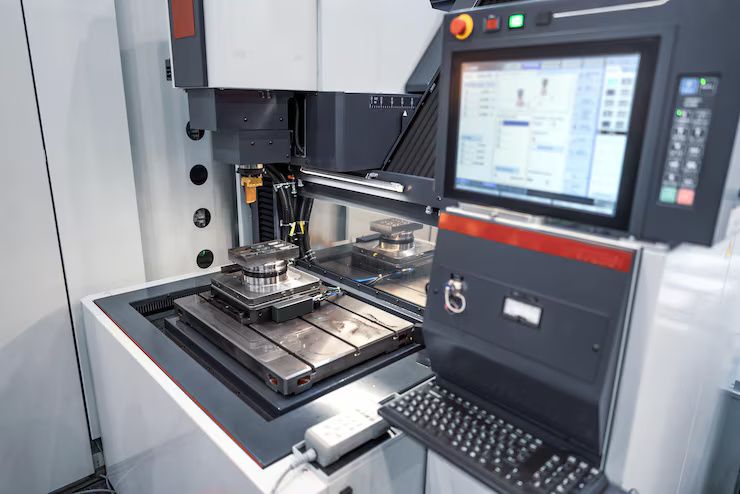
Computer Numerical Control (CNC) systems are automated technologies used to control machine tools with precision through programmed commands. They exist because traditional manual machining often lacks the accuracy, repeatability, and speed required in modern manufacturing. Instead of relying on hand-operated adjustments, CNC machines follow a digital design shown in G-code or CAM software instructions.
CNC systems are used in cutting, shaping, drilling, welding, milling, turning, and engraving materials such as metal, wood, composites, and plastics. They combine hardware, software, and control units to produce detailed products for industries like aerospace, automotive, electronics, furniture, and medical devices.
CNC technology supports the shift from labor-driven production to automation, enabling manufacturing processes to adapt to global demands for consistency and faster production cycles.
Importance
CNC systems offer several advantages that support industrial progress and innovation:
-
High precision
They maintain exact tolerances essential for technical components such as engine parts or surgical tools. -
Automation and productivity
Machines operate continuously, helping manufacturers meet production timelines more efficiently. -
Enhanced safety
Reduces the need for close operator contact with cutting tools or high-speed machinery. -
Scalability in design
Production of identical components in large batches becomes easier and more dependable. -
Supports advanced industries
Sectors like robotics, renewable energy, and high-tech manufacturing rely heavily on CNC accuracy.
These benefits affect machine operators, engineers, designers, educators, and global supply chains. CNC systems solve problems related to manual error, material waste, and limited production capacity, making them a foundation of Industry 4.0 automation strategies.
Recent Updates
During 2024–2025, CNC systems have advanced significantly due to digital transformation and increasing automation:
-
IoT-enabled CNC systems
Machines now connect to monitoring dashboards for predictive maintenance and real-time analytics. -
AI-assisted programming
Artificial intelligence features help optimize tool paths, reducing machining time and errors. -
Hybrid manufacturing
Some CNC machines now combine additive (3D printing) and subtractive machining for complex parts. -
Robotic integration
Automated material handling with cobots improves workflow efficiency in factories. -
Cloud-based CNC control (2025)
Cloud storage and remote access allow teams to manage programs from anywhere securely. -
Energy-efficient spindle motors
More sustainable designs help reduce energy usage to support global environmental goals.
These innovations reflect the movement toward smarter factories and digitally managed production environments.
Laws or Policies
Governments and international organizations regulate CNC systems to ensure quality, safety, and environmental responsibility. Common regulatory influences include:
-
Machine safety standards
Guidelines from organizations such as OSHA (USA) or CE regulations (EU) protect workers using automated equipment. -
ISO manufacturing standards
Standards like ISO 9001 and ISO 23125 ensure quality management systems for machining processes. -
Cybersecurity requirements
As machines become network-connected, policies encourage secure digital control to prevent hacking or data loss. -
Environmental compliance rules
Regulations emphasize energy efficiency and reduced emissions in manufacturing equipment and processes. -
Workforce development programs
Many countries support technical training to prepare workers for CNC-focused careers and automation strategies.
These policies help maintain safe and reliable industrial operations while supporting technology adoption at scale.
Tools and Resources
Helpful digital tools and platforms make CNC programming and operation easier for learners and professionals:
-
CAD (Computer-Aided Design) Software
Used to design 2D/3D models for CNC machining
Examples: Onshape, Autodesk Fusion 360, SolidWorks -
CAM (Computer-Aided Manufacturing) Software
Converts digital models into CNC instructions (G-code)
Examples: Mastercam, VCarve, HyperMill -
Simulation and Verification Tools
Prevent collisions and errors by testing tool paths virtually
Examples: NC Viewer, CAMotics -
CNC Controller Interfaces
Software for direct control and adjustments during operation
Examples: Mach3, LinuxCNC -
Educational platforms
Engineering training portals provide CNC basics, safety, and machining theory
These resources support beginners in building confidence and understanding CNC workflows step-by-step.
FAQs
What does CNC mean?
CNC stands for Computer Numerical Control, referring to machines controlled by programmed commands rather than manual operation.
What industries use CNC systems most?
They are common in automotive, aerospace, consumer electronics, medical devices, woodworking, and metal fabrication industries.
Is CNC the same as 3D printing?
No. CNC typically removes material (subtractive manufacturing), while 3D printing builds material layer-by-layer (additive manufacturing). Some modern machines combine both.
How accurate are CNC machines?
Precision varies by model and setup, but many machines achieve tolerances within micrometers, making them suitable for high-performance parts.
Do CNC operators still need technical skills?
Yes. Programming knowledge, machining principles, and safety awareness remain important, even with automation.
Example Table: Common CNC Machine Types and Their Functions
| CNC Machine Type | Primary Function | Typical Use in Industry |
|---|---|---|
| CNC Mill | Cutting and shaping with rotating tools | Automotive components, metal parts |
| CNC Lathe | Rotational cutting for cylindrical parts | Pipes, shafts, fasteners |
| CNC Router | High-speed cutting of wood, plastics, composites | Furniture, signs, molds |
| CNC Plasma/Laser Cutter | Cutting metals and surfaces with high-energy beams | Construction steel, sheet metal fabrication |
| CNC EDM (Electrical Discharge Machining) | Creating precise shapes using electrical sparks | Aerospace turbines, medical implants |
| CNC Grinder | Surface finishing and fine dimensional accuracy | Toolmaking, metal finishing |
This classification illustrates how CNC technology adapts to wide-ranging production needs.
Conclusion
CNC systems continue to shape modern manufacturing by providing accuracy, automation, and repeatability that support advanced industrial operations. They help engineers and production teams create reliable products from digital designs with high precision.
Recent updates—such as IoT monitoring, robotics integration, hybrid manufacturing, and AI-based optimization—show how CNC technology aligns with Industry 4.0 goals. Regulations and safety standards ensure responsible use, while educational tools help newcomers learn essential concepts quickly.