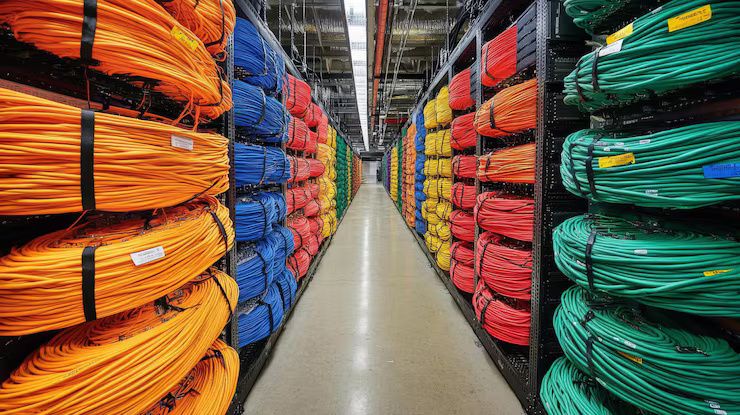
Coaxial cable often runs through walls, ceilings, equipment rooms, and outdoor spaces where physical protection matters. A suitable conduit for coaxial cable helps shield the cable from impact, moisture, abrasion, and environmental exposure while keeping the installation organized and accessible.
The right conduit choice depends on more than cable diameter. Installation location, bend requirements, electromagnetic conditions, temperature, and local electrical codes all influence which materials and configurations are appropriate. A residential television connection and an outdoor communications installation may require very different approaches.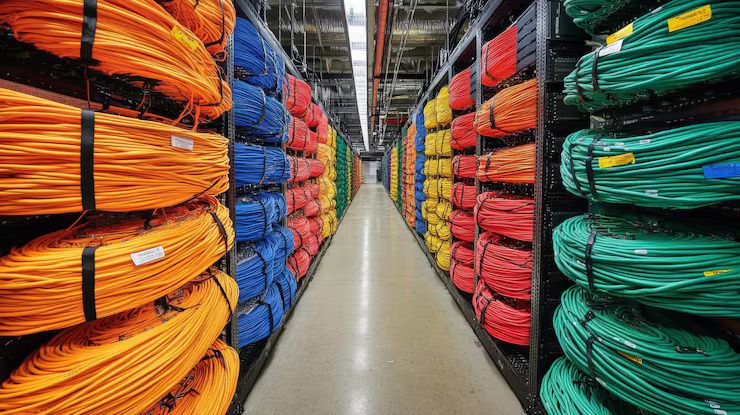
Understanding conduit types, materials, and practical uses helps installers, building owners, and maintenance teams plan reliable cable pathways. It also makes it easier to recognize when a protective raceway is necessary, when cable shielding already provides some protection, and how installation decisions affect long-term signal performance.
Why Coaxial Cable May Need Conduit
Coaxial cable carries radio-frequency signals through a central conductor, dielectric insulation, metallic shielding, and an outer jacket. Although the jacket provides basic protection, it is not designed to withstand every installation environment.
Conduit creates a separate protective pathway around the cable. It can reduce exposure to physical damage during construction, protect against moisture in suitable installations, and make future cable replacement easier.
Conduit is particularly useful when coaxial cable passes through areas exposed to:
Mechanical impact or crushing
Sharp edges and abrasive surfaces
Moisture, sunlight, or changing temperatures
Rodents or other environmental hazards
Crowded equipment spaces
Frequent maintenance or cable changes
Conduit does not automatically make an installation suitable for every environment. The raceway, fittings, cable jacket, and sealing methods must all be compatible with the conditions.
Common Conduit Types for Coaxial Cable
Different conduit types provide different levels of flexibility, mechanical protection, and installation convenience. The best selection depends on the pathway rather than the cable alone.
Rigid PVC Conduit
Rigid polyvinyl chloride (PVC) conduit is widely used for protected cable pathways, especially where corrosion resistance and nonconductive construction are useful. It is lightweight, relatively easy to cut, and suitable for many indoor and outdoor applications when the product is rated for the environment.
PVC conduit does not provide a metallic grounding path. It also has limitations related to temperature, impact resistance, and exposure to ultraviolet radiation. Outdoor installations should use conduit specifically rated for sunlight and weather conditions.
Electrical Metallic Tubing and Rigid Metal Conduit
Metallic raceways, such as electrical metallic tubing (EMT) and rigid metal conduit, provide mechanical protection and can be useful in commercial, industrial, and exposed installations.
EMT is commonly used where a relatively lightweight metal pathway is appropriate. Rigid metal conduit provides heavier mechanical protection and may be selected for demanding environments.
Metal conduit can also influence electromagnetic performance. Because coaxial cable already includes a shield, the interaction between the cable, raceway, connectors, and grounding system should be considered. Proper bonding and grounding requirements depend on the installation and applicable code.
Flexible Conduit
Flexible conduit is useful when the cable pathway includes tight routing areas, equipment connections, or sections that may need movement during maintenance. It can simplify transitions between fixed raceways and devices.
However, flexibility does not mean unlimited bending. Every conduit has a minimum bend radius, and exceeding it can make cable installation difficult or damage the cable. Flexible conduit should also be selected for the required mechanical and environmental conditions.
Liquidtight and Specialized Raceway
Liquidtight conduit is designed for situations where protection against moisture or liquid exposure is required. It may be relevant near outdoor equipment, mechanical spaces, or locations subject to washdown, depending on the product rating.
Specialized raceways may also be used in industrial environments where chemical exposure, vibration, temperature extremes, or impact create additional requirements. These applications require careful compatibility checks rather than relying on a general-purpose conduit.
Materials and Their Practical Differences
Conduit materials influence durability, installation methods, grounding considerations, and environmental suitability.
Material | Typical characteristics | Common considerations |
|---|---|---|
PVC | Lightweight, corrosion-resistant, nonconductive | Temperature limits, impact rating, outdoor exposure |
Galvanized steel | Strong mechanical protection, conductive | Corrosion protection, grounding and bonding |
Aluminum | Lightweight metal construction | Corrosion compatibility, mechanical requirements |
Flexible metallic conduit | Adaptable routing and equipment connections | Bend radius, fittings, physical protection |
Liquidtight flexible conduit | Protection in suitable wet or liquid-exposed areas | Sealing, temperature, chemical compatibility |
The material should be selected based on the installation environment and applicable requirements. A conduit that works well indoors may not be appropriate for direct burial, exposed rooftops, or areas with chemical contamination.
How Conduit Dimensions Affect Cable Installation
Conduit sizing is not simply a matter of choosing a pathway that fits the cable’s outside diameter. The installation must also account for the number of cables, pulling difficulty, bend locations, and future maintenance.
A coaxial cable can be damaged if it is pulled too aggressively or bent beyond its specified radius. Excessive pulling force may deform the dielectric or affect the cable’s geometry, potentially changing its electrical performance.
When multiple coaxial cables share a conduit, the installer should consider their combined dimensions and the applicable fill requirements. Larger pathways may make installation easier and leave room for future additions, but oversized conduit can also create unnecessary routing or support challenges.
Pulling tension, lubricant compatibility, and connector dimensions may matter as well. Some pre-terminated coaxial assemblies require a pathway large enough to accommodate the connector without forcing it through a narrow bend.
Indoor, Outdoor, and Underground Uses
The installation environment strongly influences conduit selection.
Indoor installations commonly involve television distribution, satellite systems, security camera infrastructure, broadband networks, and audio-video equipment. Conduit may be used inside walls, above ceilings, or along exposed pathways where cable protection and future access are important.
Outdoor installations require attention to sunlight, rain, temperature changes, and physical exposure. UV-resistant conduit, weather-rated fittings, and appropriate entry seals may be necessary. The cable itself must also be rated for outdoor use; placing an indoor-only cable inside conduit does not automatically make it suitable for exterior exposure.
Underground installations require additional consideration of soil conditions, water intrusion, burial depth, physical loading, and local requirements. Direct-burial-rated cable and suitable underground raceway systems are not interchangeable without checking their ratings. Drainage, conduit continuity, and water management can affect long-term reliability.
Protecting Signal Quality During Installation
Conduit protects the physical cable, but poor installation practices can still affect signal performance. Coaxial cable depends on consistent geometry and shielding, so sharp bends, crushing, and excessive pulling can create problems even when the outer jacket appears intact.
Metal conduit may also introduce grounding and bonding considerations. The cable shield, connectors, equipment, and raceway should be installed according to the applicable electrical and communications requirements. Improper connections can create unwanted current paths or interfere with system performance.
Where multiple systems share a pathway, compatibility should be reviewed. Coaxial cable may carry sensitive radio-frequency signals, and nearby electrical wiring or equipment can introduce electromagnetic interference. Separation requirements and installation practices vary by system and jurisdiction.
Practical Installation Considerations
A well-planned conduit installation begins with the pathway itself. Before selecting materials, installers should identify entry points, bends, support locations, access points, and areas where the cable may need to be replaced.
Several practical details deserve attention:
Bend radius: Keep bends within the limits of both the conduit and coaxial cable.
Pulling method: Avoid excessive force and use compatible pulling materials when needed.
Fittings: Select fittings that maintain protection and do not create sharp edges.
Supports: Secure the conduit according to the relevant installation requirements.
Sealing: Use suitable seals where moisture, dust, or air movement must be controlled.
Grounding and bonding: Follow applicable requirements for metallic raceways and cable systems.
Accessibility: Provide practical access for inspection, testing, and future replacement.
The goal is not merely to enclose the cable. It is to create a pathway that protects the cable without introducing new installation problems.
Frequently Asked Questions
What type of conduit is commonly used for coaxial cable?
PVC, EMT, rigid metal conduit, and flexible conduit are common options. The appropriate type depends on the installation environment, mechanical protection requirements, bend conditions, and applicable codes.
Does coaxial cable always need conduit?
No. Some coaxial cable installations do not require conduit when the cable is suitable for the environment and adequately protected. Conduit becomes more useful where physical damage, moisture, exposure, or future access is a concern.
Can coaxial cable share conduit with other cables?
It may be possible, but compatibility, conduit fill, separation requirements, and electromagnetic considerations must be reviewed. The rules depend on the systems involved and the applicable installation standards.
Does conduit improve coaxial signal quality?
Conduit primarily provides physical protection. It does not automatically improve signal quality. Poor bending, pulling, grounding, or interference conditions can still affect performance.
Is PVC conduit suitable for outdoor coaxial cable?
PVC may be suitable when the conduit and cable are both rated for the outdoor environment. UV exposure, temperature, moisture, and mechanical conditions should be checked before installation.
Conclusion
Conduit for coaxial cable provides a protective pathway that can improve installation durability, organization, and future accessibility. PVC, metal, flexible, and specialized raceways each have different characteristics, making material selection an important part of planning.
A reliable installation considers cable dimensions, bend radius, environmental exposure, grounding requirements, and local standards together. When these factors are addressed from the beginning, conduit becomes more than a protective enclosure it becomes part of a practical, maintainable cable infrastructure.