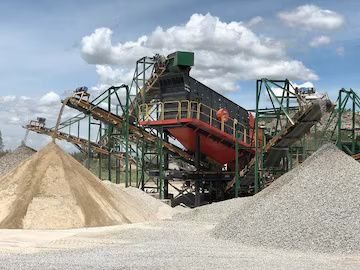
Crusher machines are mechanical devices used to reduce the size of materials such as stone, minerals, metal scraps, and construction waste. They exist because many industrial activities require raw materials to be processed into smaller, usable forms for transportation, manufacturing, and recycling.
Crushers come in many designs such as jaw crushers, cone crushers, impact crushers, and hammer crushers. The goal is simple: break down large materials into consistent sizes that meet industrial standards.
These machines are commonly found in industries such as mining, quarrying, construction, and waste management. Without crushers, large natural materials and demolition debris would be difficult to recycle or convert into new products for infrastructure development.
Importance
Crusher machines have a vital role in today’s industrial and environmental landscape. Their importance can be understood through several key points:
-
Supports industrial growth by preparing raw materials for cement factories, road construction, and power plants.
-
Enhances recycling by turning waste materials into reusable aggregates.
-
Improves efficiency with faster processing than manual or outdated mechanical methods.
-
Reduces transportation challenges by minimizing material volume and weight.
-
Promotes sustainability through resource conservation and better waste management practices.
Industries affected include mining companies, construction firms, municipal waste handlers, and manufacturers who require precise material sizing. Crusher machines solve the challenge of handling bulky and unprocessed materials efficiently and responsibly.
Recent Updates
The crusher machine industry has seen several advancements in 2024–2025, driven by automation, sustainability goals, and safety improvements:
-
Smart automation systems (2024): Intelligent control panels allow operators to track energy use, machine performance, and maintenance schedules in real time.
-
Improved wear-resistant materials (2025): Advanced alloys and ceramics extend machine lifespan and reduce downtime for maintenance.
-
Mobile crusher growth (2024–2025): Increasing use in urban construction sites where mobility and compact designs are needed.
-
Dust and noise control upgrades (2025): More crushers now include built-in suppression systems to improve environmental safety.
-
Energy-efficient crushing (2025): Manufacturers focus on reducing electricity consumption, supporting sustainability goals in mining and infrastructure sectors.
-
AI-assisted monitoring (early 2025): Machine sensors optimize performance and detect issues early, reducing unexpected failures.
These technological improvements help industries maintain productivity while meeting environmental expectations.
Laws or Policies
Crusher machine use and production are influenced by regulations designed to protect workers, communities, and the environment. Examples include:
-
Occupational safety regulations:
Agencies such as OSHA in the United States and similar organizations worldwide require safety training, emergency shut-off systems, and protective equipment. -
Environmental standards:
Governments enforce dust emission rules, noise limits, and waste disposal policies to reduce industrial impact. -
Industrial certification requirements:
Many countries require testing and certification according to ISO standards for equipment reliability and safety performance. -
Mining and construction regulations:
Projects using crushers must follow land-use laws and ensure proper licensing when processing natural resources.
Compliance with these rules ensures that crusher machines can operate safely while contributing to environmental protection efforts.
Tools and Resources
Many helpful resources are available for understanding and working with crusher machines:
-
Engineering calculation tools
Apps and spreadsheets assist with capacity formulas, reduction ratios, and power requirements. -
Maintenance planning software
Digital logs help track component lifespan and monitor daily performance. -
Training platforms
Online courses teach crusher operation, material handling, and safety knowledge. -
Technical handbooks and manuals
Documents explain setup procedures, material properties, and optimal equipment selection. -
Recycling and construction guides
Educational websites provide insights on responsible material handling and sustainable crushing processes.
These tools help operators, engineers, and students gain practical and theoretical knowledge.
Example Table: Common Crusher Types and Applications
| Crusher Type | Primary Function | Common Industry Use |
|---|---|---|
| Jaw Crusher | Initial breaking of large and hard materials | Mining, Quarrying |
| Cone Crusher | Secondary crushing, precise sizing | Metallurgy, Aggregate production |
| Impact Crusher | Shaping and refining softer materials | Construction, Recycling |
| Hammer Crusher | Crushing brittle or lightweight materials | Cement production, Coal handling |
| Mobile Crusher | Flexible on-site crushing | Urban construction projects |
FAQs
What materials can crusher machines process?
They can crush a wide range of materials including rocks, ores, concrete debris, asphalt, minerals, and recycled building materials.
Are crusher machines used for recycling?
Yes, crushers play an important role in recycling by converting demolition waste into reusable construction aggregates.
How do crushers support safety in operations?
Modern machines include safety guards, automatic shut-off systems, and monitoring sensors to reduce risks associated with heavy crushing operations.
What affects crusher machine performance the most?
Material hardness, moisture content, machine configuration, and regular maintenance all influence productivity and reliability.
Can crushers be used in small construction areas?
Yes, compact and mobile crushers are specifically designed for limited spaces and temporary work zones.
Conclusion
Crusher machines are essential equipment in industries that rely on efficient material handling. Their ability to break down hard, bulky materials into consistent and usable forms enables large-scale construction projects, supports mining productivity, and strengthens recycling efforts.
Innovations in automation, energy efficiency, and dust control demonstrate how these machines continue to evolve to meet environmental and industrial demands. Clear regulatory frameworks ensure that operations remain safe for workers and communities.