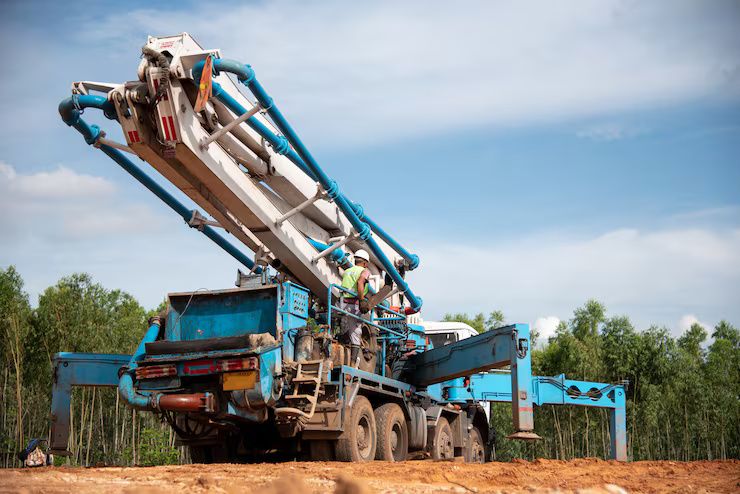
A crusher machine is a mechanical system designed to reduce the size of large solid materials into smaller, manageable pieces. This size reduction is essential in industries where raw materials must be processed before further use. Crusher machines exist to break down rocks, minerals, concrete, and other hard materials into specific sizes suitable for transportation, processing, or secondary operations.
The concept of crushing dates back to early mining and construction activities, where manual methods were used to break stones. Over time, mechanical crushers were developed to handle higher volumes and tougher materials. Modern crusher machines are engineered systems that combine mechanical force, controlled motion, and durable materials to achieve consistent output sizes. They are commonly used in mining, construction, infrastructure development, recycling, and aggregate production.
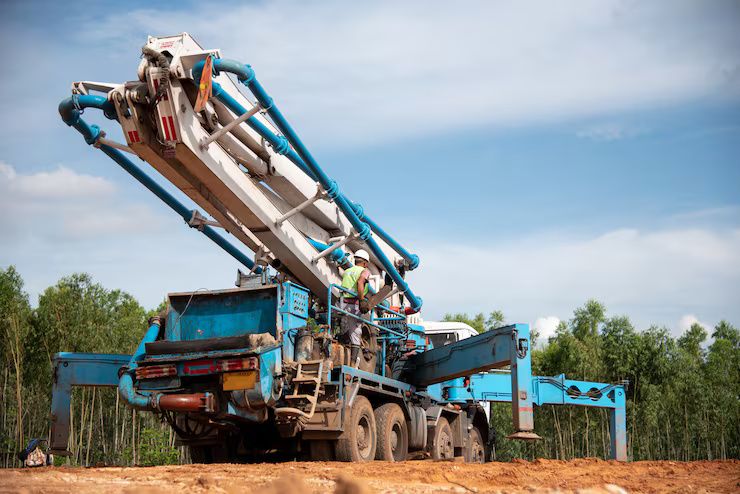
Importance: Why Crusher Machines Matter Today
Crusher machines are critical to modern industrial and infrastructure development. Without effective crushing systems, raw materials would be difficult to process, transport, or use efficiently. This topic matters to engineers, plant operators, planners, and decision-makers involved in material processing and large-scale projects.
Key reasons crusher machines are important today include:
-
Growing demand for construction materials in infrastructure projects
-
Expansion of mining and mineral processing activities
-
Increased focus on material recycling and reuse
-
Need for controlled particle sizes in manufacturing and processing
Crusher machines solve problems related to material handling, size uniformity, and processing efficiency. By reducing material size at the right stage, they help improve downstream operations such as screening, conveying, and blending.
Types of Crusher Machines and Working Principles
Crusher machines are classified based on how they apply force to materials. Each type is designed for specific material characteristics and output requirements.
Common crusher machine types include:
-
Jaw crushers, which use compressive force between two plates
-
Cone crushers, designed for secondary and tertiary crushing with rotational force
-
Impact crushers, which rely on high-speed impact to break materials
-
Roll crushers, using rotating cylinders for controlled size reduction
-
Hammer crushers, employing swinging hammers for brittle materials
Table: Crusher Types and Typical Applications
| Crusher Type | Crushing Method | Typical Use |
|---|---|---|
| Jaw Crusher | Compression | Primary crushing |
| Cone Crusher | Compression and shear | Secondary processing |
| Impact Crusher | Impact force | Aggregate shaping |
| Roll Crusher | Compression | Medium-hard materials |
| Hammer Crusher | Impact | Brittle materials |
Understanding these principles helps in selecting the appropriate crusher machine for different material types and processing stages.
Importance of Crusher Machine Settings and Output Control
Crusher machine performance depends heavily on operational settings. Factors such as feed size, discharge opening, speed, and liner design directly affect output size and efficiency. Incorrect settings can lead to uneven particle sizes, excessive wear, or reduced throughput.
Key operational considerations include:
-
Feed material hardness and moisture content
-
Desired output size and gradation
-
Wear resistance of crushing components
-
Energy consumption and machine load
Proper adjustment ensures stable operation and consistent results, which is essential for industrial material processing.
Recent Updates: Trends and Developments in the Past Year
During 2024 and early 2025, crusher machine technology reflected broader industrial trends. One notable development was the increased adoption of automated monitoring systems. These systems track vibration, temperature, and load conditions to improve reliability and reduce unplanned downtime.
Another trend observed in late 2024 was the focus on energy-efficient crushing solutions. Updated machine designs emphasized optimized crushing chambers and improved motor efficiency to reduce energy use per ton of material processed.
Digital integration also expanded. Many modern crusher machines introduced in 2024 support data connectivity, allowing performance metrics to be analyzed for process optimization. This aligns with the growing use of smart plant management systems in mining and construction.
Laws and Policies Affecting Crusher Machine Operations
Crusher machines are subject to safety, environmental, and operational regulations. These rules are designed to protect workers, communities, and natural resources while ensuring responsible material processing.
Common regulatory areas include:
-
Workplace safety standards for mechanical equipment
-
Noise and dust control regulations
-
Environmental guidelines for mining and quarry operations
-
Energy efficiency and emissions policies
In many regions, government infrastructure programs influence crusher machine usage by setting material quality and processing standards. Compliance with these rules helps ensure safe operation and sustainable material handling.
Tools and Resources for Crusher Machine Knowledge
Several tools and references support understanding and managing crusher machines effectively. These resources focus on technical guidance, planning, and compliance.
Helpful tools and resources include:
-
Crusher selection guides based on material type
-
Capacity calculation charts for throughput estimation
-
Wear part life estimation tables
-
Plant flow diagram templates for process planning
-
Technical manuals covering operation and maintenance principles
Table: Example Factors Influencing Crusher Output
| Factor | Impact on Performance |
|---|---|
| Feed Size | Affects reduction ratio |
| Material Hardness | Influences wear rate |
| Speed Setting | Controls throughput |
| Discharge Gap | Determines final size |
These tools help users align crusher machine capabilities with project requirements.
FAQs: Common Questions About Crusher Machines
What materials can a crusher machine process?
Crusher machines can process rocks, minerals, concrete, and various industrial materials, depending on machine type and design.
How does a crusher machine reduce material size?
It applies mechanical force such as compression, impact, or shear to break materials into smaller pieces.
Why are different crusher types used in stages?
Different stages allow gradual size reduction, improving efficiency and controlling output quality.
What affects the lifespan of crusher components?
Material hardness, operating conditions, and maintenance practices influence wear and durability.
How does crusher output size get controlled?
Output size is controlled through settings such as discharge openings, speed, and liner configuration.
Additional Insight: Data Trends in Crusher Machine Usage
The table below summarizes general trends observed across industrial operations.
| Feature | Earlier Practice | Recent Trend |
|---|---|---|
| Manual Monitoring | Common | Declining |
| Automated Sensors | Limited | Increasing |
| Energy Optimization | Moderate | High |
| Digital Data Use | Low | Growing |
These trends reflect the shift toward efficiency, safety, and data-driven operations.
Conclusion
Crusher machines are essential systems that support material processing across construction, mining, and recycling industries. Their ability to reduce material size efficiently enables smoother downstream operations and consistent output quality. Understanding crusher machine types, working principles, and operational factors is increasingly important as industries adopt advanced technology and stricter regulations.
Recent developments highlight automation, energy efficiency, and digital integration, while laws and policies guide safe and responsible operation. By using accurate tools, technical references, and standardized practices, stakeholders can ensure reliable crusher machine performance and long-term operational stability.