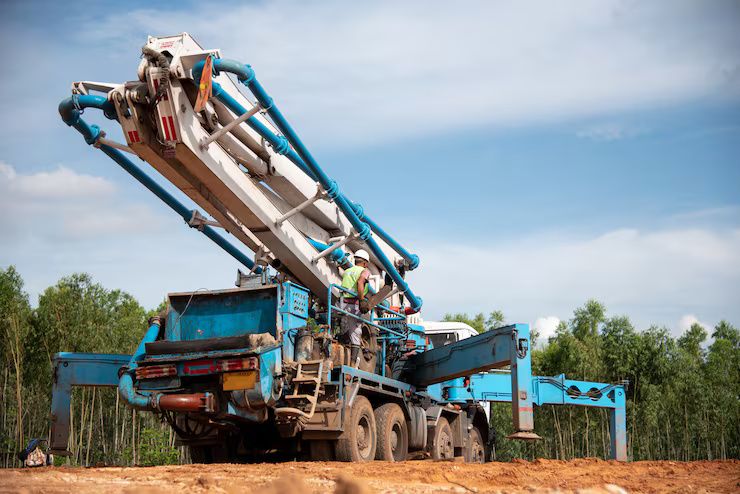
A crusher machine is a mechanical system designed to reduce the size of large solid materials into smaller, manageable pieces. This size reduction is essential in industries where raw materials must be processed before further use. Crusher machines exist to break down rocks, minerals, concrete, and other hard materials into specific sizes suitable for transportation, processing, or secondary operations.
The concept of crushing dates back to early mining and construction activities, where manual methods were used to break stones. Over time, mechanical crushers were developed to handle higher volumes and tougher materials.
Modern crusher machines are engineered systems that combine mechanical force, controlled motion, and durable materials to produce consistent output sizes. They are widely used in mining, construction, infrastructure, recycling, and aggregate production.
Core Function of Crusher Machines
Crusher machines are designed to reduce material size efficiently. This makes raw materials easier to process, transport, and use in various industrial applications.
They play a critical role in improving downstream operations such as screening, conveying, and blending.
Importance: Why Crusher Machines Matter Today
Crusher machines are essential for modern industrial and infrastructure development. They help transform raw materials into usable forms for construction and manufacturing.
Key Reasons for Importance
- Growing demand for construction materials
- Expansion of mining and mineral processing
- Increased focus on recycling and reuse
- Need for controlled particle sizes
These systems improve material handling and processing efficiency across industries.
Types of Crusher Machines and Working Principles
Crusher machines are categorized based on how they apply force to materials. Each type is suited for specific materials and processing stages.
Common Crusher Types
- Jaw crushers using compressive force
- Cone crushers for secondary and tertiary crushing
- Impact crushers using high-speed impact
- Roll crushers with rotating cylinders
- Hammer crushers for brittle materials
These machines ensure efficient size reduction depending on material properties.
Crusher Types and Applications
| Crusher Type | Crushing Method | Typical Use |
|---|---|---|
| Jaw Crusher | Compression | Primary crushing |
| Cone Crusher | Compression and shear | Secondary processing |
| Impact Crusher | Impact force | Aggregate shaping |
| Roll Crusher | Compression | Medium-hard materials |
| Hammer Crusher | Impact | Brittle materials |
Importance of Settings and Output Control
Crusher performance depends on proper operational settings. These settings directly affect output size, efficiency, and equipment lifespan.
Key Operational Factors
- Feed material hardness and moisture
- Desired output size and gradation
- Wear resistance of components
- Energy consumption and machine load
Incorrect settings may result in uneven output or increased wear. Proper adjustments ensure stable and efficient operation.
Recent Updates: Trends and Developments
Crusher machine technology has evolved with advancements in automation and energy efficiency.
Key Trends
- Increased use of automated monitoring systems
- Focus on energy-efficient machine designs
- Integration with digital data platforms
- Improved vibration and load tracking systems
These developments support better reliability and optimized performance.
Laws and Policies Affecting Crusher Machines
Crusher machines operate under safety and environmental regulations. These rules ensure responsible industrial practices.
Common Regulatory Areas
- Workplace safety standards
- Noise and dust control regulations
- Environmental guidelines for mining operations
- Energy efficiency and emissions policies
Compliance helps protect workers, communities, and natural resources.
Tools and Resources for Crusher Machine Knowledge
Various tools help in planning, operating, and maintaining crusher machines effectively.
Helpful Tools and Resources
- Crusher selection guides
- Capacity calculation charts
- Wear part life estimation tables
- Plant flow diagrams
- Technical operation manuals
These tools support efficient and reliable machine operation.
Factors Influencing Crusher Output
| Factor | Impact on Performance |
|---|---|
| Feed Size | Affects reduction ratio |
| Material Hardness | Influences wear rate |
| Speed Setting | Controls throughput |
| Discharge Gap | Determines final size |
This table highlights how operational factors affect crushing results.
FAQs: Common Questions About Crusher Machines
What materials can crusher machines process?
They can process rocks, minerals, concrete, and various industrial materials depending on machine type.
How do crusher machines reduce material size?
They apply mechanical forces such as compression, impact, or shear to break materials into smaller pieces.
Why are multiple crusher stages used?
Multiple stages allow gradual size reduction and better control over final output quality.
What affects component lifespan?
Material hardness, operating conditions, and maintenance practices influence durability.
How is output size controlled?
Output size is adjusted using discharge openings, speed settings, and liner configurations.
Data Trends in Crusher Machine Usage
| Feature | Earlier Practice | Recent Trend |
|---|---|---|
| Manual Monitoring | Common | Declining |
| Automated Sensors | Limited | Increasing |
| Energy Optimization | Moderate | High |
| Digital Data Use | Low | Growing |
These trends reflect a shift toward automation, efficiency, and data-driven operations.
Conclusion
Crusher machines are essential systems for material processing in industries such as construction, mining, and recycling. They enable efficient size reduction and improve downstream operations.
Recent advancements focus on automation, energy efficiency, and digital integration, while regulations ensure safe and responsible usage.
Understanding crusher machines, their types, and operational factors provides a strong foundation for achieving reliable performance and long-term efficiency.