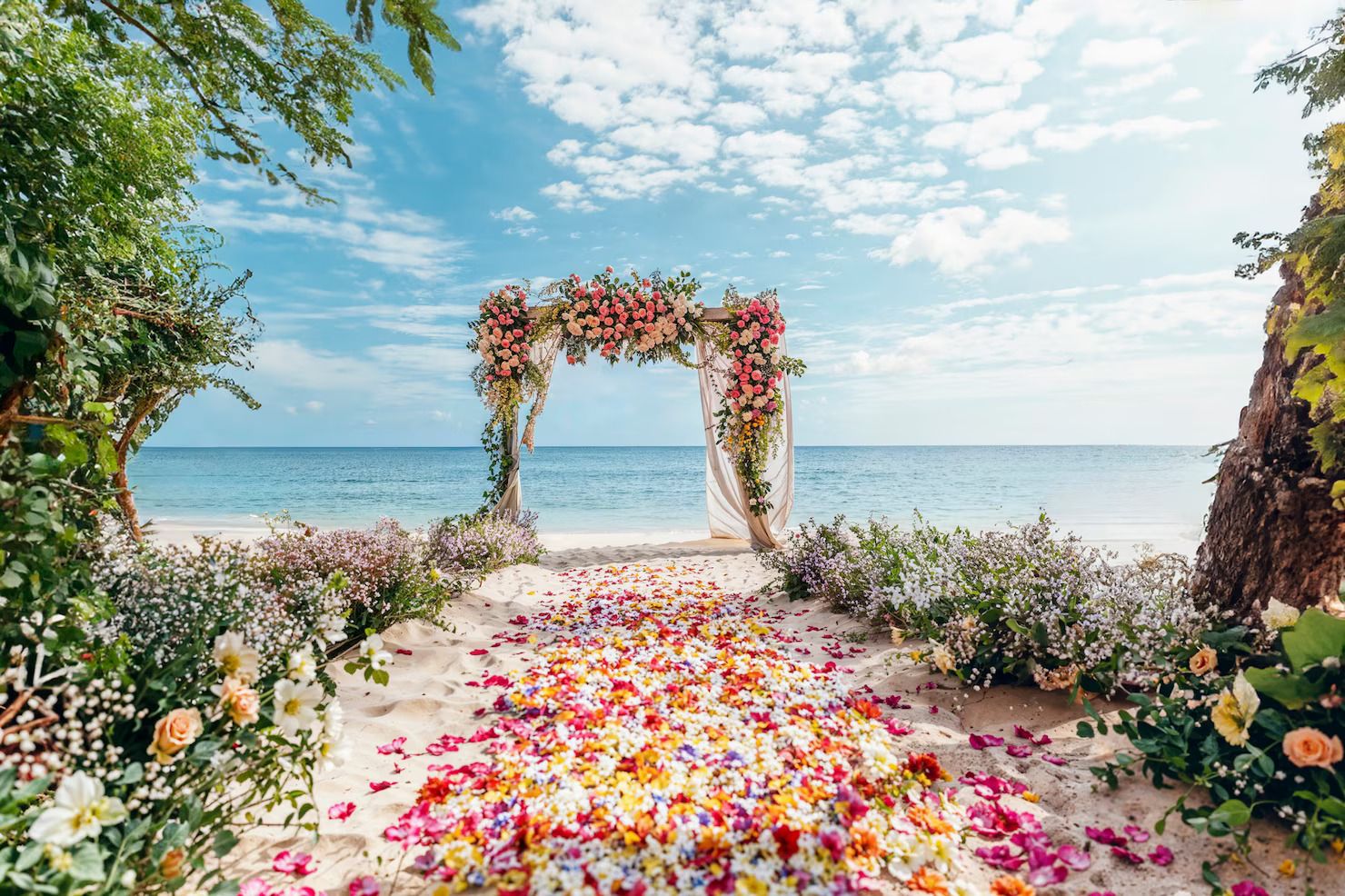
Destination weddings combine travel experiences with wedding ceremonies in scenic or culturally meaningful locations. Instead of hosting a celebration close to home, couples gather family and friends in another city, region, or country for a wedding event. These celebrations often include multiple days of activities, cultural traditions, and shared travel experiences.
In recent years, destination weddings have become an important topic in event planning, hospitality, and tourism industries. Couples increasingly prefer experiences that combine celebration with travel memories. Understanding the basics of destination weddings helps individuals explore planning considerations, cultural influences, legal requirements, and modern trends shaping this growing wedding format.
Destination Wedding Context and Background
What a Destination Wedding Means
A destination wedding refers to a wedding ceremony held in a location away from the couple’s primary residence. The location might be a beach resort, historic city, mountain retreat, or cultural landmark.
Unlike traditional weddings, destination celebrations usually include travel arrangements for guests and multiple planned events such as welcome gatherings, rehearsal dinners, and post-wedding activities.
Why Destination Weddings Exist
Several factors explain the rise of destination weddings:
- Interest in travel-focused celebrations
- Preference for intimate gatherings
- Cultural or heritage connections to certain locations
- Scenic environments for ceremonies and photography
For many couples, the destination becomes part of the story and identity of the wedding event.
Common Destination Wedding Locations
Some locations are commonly selected due to scenery, infrastructure, and cultural appeal.
| Destination Type | Examples of Locations | Typical Features |
|---|---|---|
| Beach Locations | Maldives, Bali, Goa | Ocean views, sunset ceremonies |
| Historic Cities | Florence, Prague | Architecture and cultural heritage |
| Mountain Retreats | Switzerland, Colorado | Natural landscapes |
| Tropical Islands | Hawaii, Phuket | Warm climate and resort settings |
Each location influences the style, schedule, and traditions of the ceremony.
Why Destination Weddings Matter Today
Growing Popularity
The global wedding industry has experienced a shift toward experience-based celebrations. Destination weddings combine tourism with personal milestones, making them appealing to couples seeking unique celebrations.
Industry research reports suggest destination weddings represent a significant portion of modern wedding events globally, especially among younger couples who value travel experiences.
Benefits for Couples and Guests
Destination weddings often create a more immersive experience for participants. Guests may spend several days together, allowing time for social interaction beyond the main ceremony.
Benefits frequently include:
- Extended celebrations across multiple days
- Cultural exploration in the chosen location
- Smaller guest lists and more intimate gatherings
- Opportunities for group activities such as sightseeing or cultural tours
Challenges and Planning Considerations
Although destination weddings offer memorable experiences, they also introduce logistical challenges.
Common planning considerations include:
| Planning Factor | Description |
|---|---|
| Travel Coordination | Guest transportation and arrival schedules |
| Venue Availability | Booking popular destinations during peak seasons |
| Weather Patterns | Seasonal climate conditions |
| Legal Documentation | Marriage laws in the chosen location |
Careful planning helps couples manage these complexities effectively.
Recent Destination Wedding Trends and Updates
Growth of Micro Destination Weddings (2024–2025)
Since 2024, many couples have chosen smaller destination weddings with guest lists ranging from 20 to 60 people. These smaller gatherings emphasize meaningful experiences rather than large-scale events.
Micro destination weddings allow couples to focus on personalized activities and extended celebrations.
Multi-Day Wedding Experiences
Another trend that expanded during 2025 involves multi-day celebrations. Instead of a single-day ceremony, couples organize several events:
- Welcome gatherings
- Cultural experiences or excursions
- Wedding ceremony and reception
- Farewell brunch
This structure creates a travel-like experience for guests.
Sustainability Awareness
Environmental awareness has also influenced destination wedding planning. Many couples now consider eco-friendly practices such as:
- Digital invitations
- Sustainable décor materials
- Local cultural traditions and cuisine
- Reduced event waste
These practices align with broader sustainability trends within tourism and event planning industries.
Cultural Fusion Weddings
In 2024 and 2025, many international couples began incorporating traditions from multiple cultures into destination celebrations. This trend highlights global diversity and allows families from different regions to participate in shared traditions.
Laws and Policies Related to Destination Weddings
Marriage Laws in Different Countries
Marriage regulations vary widely between countries and regions. Couples planning a destination wedding often need to understand local legal requirements before scheduling a ceremony.
Common legal considerations include:
- Minimum residency requirements
- Documentation such as passports and birth certificates
- Witness requirements
- Translation of legal documents
Some countries allow legal marriages directly through local authorities, while others require additional administrative steps.
Visa and Travel Regulations
Guests traveling internationally may need to comply with visa policies, depending on their nationality and the destination country. Visa rules and entry requirements should be reviewed well in advance.
Local Event Regulations
Some destinations enforce regulations related to events in public spaces, beaches, or heritage sites. These rules can include:
- Noise restrictions
- Event permits
- Environmental protection rules
Understanding local regulations helps ensure the wedding event proceeds smoothly.
Government Tourism Programs
Several countries promote destination weddings as part of tourism development programs. Tourism authorities may provide planning guidelines, cultural resources, or event coordination information for visitors hosting weddings in their regions.
Tools and Resources for Destination Wedding Planning
Planning a destination wedding often involves multiple coordination tools and resources.
Wedding Planning Platforms
Digital wedding planning platforms help couples manage timelines, guest lists, and schedules.
Common features include:
- Wedding planning checklists
- Event scheduling tools
- Guest RSVP tracking
- Budget estimation tools
Travel Coordination Tools
Travel planning tools assist with flight schedules, group travel coordination, and itinerary planning.
Useful tools include:
- Travel itinerary planners
- Flight comparison websites
- Group travel coordination platforms
Budget Estimation Calculators
Budget calculators help estimate expenses related to venues, travel logistics, décor, and event planning.
| Tool Type | Purpose |
|---|---|
| Wedding Budget Calculator | Estimates wedding-related expenses |
| Travel Budget Planner | Calculates guest travel logistics |
| Timeline Planner | Organizes event preparation steps |
Templates and Planning Guides
Many couples rely on digital templates such as:
- Wedding timeline templates
- Guest communication checklists
- Event planning spreadsheets
These resources simplify organization and reduce planning stress.
Frequently Asked Questions About Destination Weddings
What defines a destination wedding?
A destination wedding takes place in a location away from the couple’s primary residence. The location may involve domestic or international travel for the couple and guests.
How far in advance should destination weddings be planned?
Most destination weddings require preparation between 12 and 18 months in advance. This timeframe allows for venue reservations, guest travel planning, and legal documentation.
Are destination weddings usually smaller than traditional weddings?
Many destination weddings involve smaller guest lists compared with traditional weddings. Travel requirements often naturally limit the number of attendees.
Do destination weddings follow local traditions?
Some couples incorporate cultural traditions from the destination location, while others follow their own cultural customs. Many modern celebrations combine both traditions.
What factors influence destination wedding locations?
Common factors include climate, accessibility, cultural significance, venue availability, and scenic surroundings.
Destination Wedding Knowledge and Key Takeaways
Destination weddings represent a growing trend that combines travel experiences with meaningful celebrations. These events bring together cultural traditions, scenic locations, and extended social gatherings in ways that differ from traditional wedding formats.
Understanding destination wedding planning requires awareness of several factors: location selection, guest travel coordination, legal requirements, and event organization. Recent trends highlight the rise of smaller celebrations, multi-day wedding experiences, and environmentally conscious planning approaches.
With proper preparation and reliable resources, destination weddings can create memorable shared experiences for couples and guests. As global travel continues to expand and cultural exchange increases, destination weddings will likely remain an important part of the evolving wedding and tourism landscape.