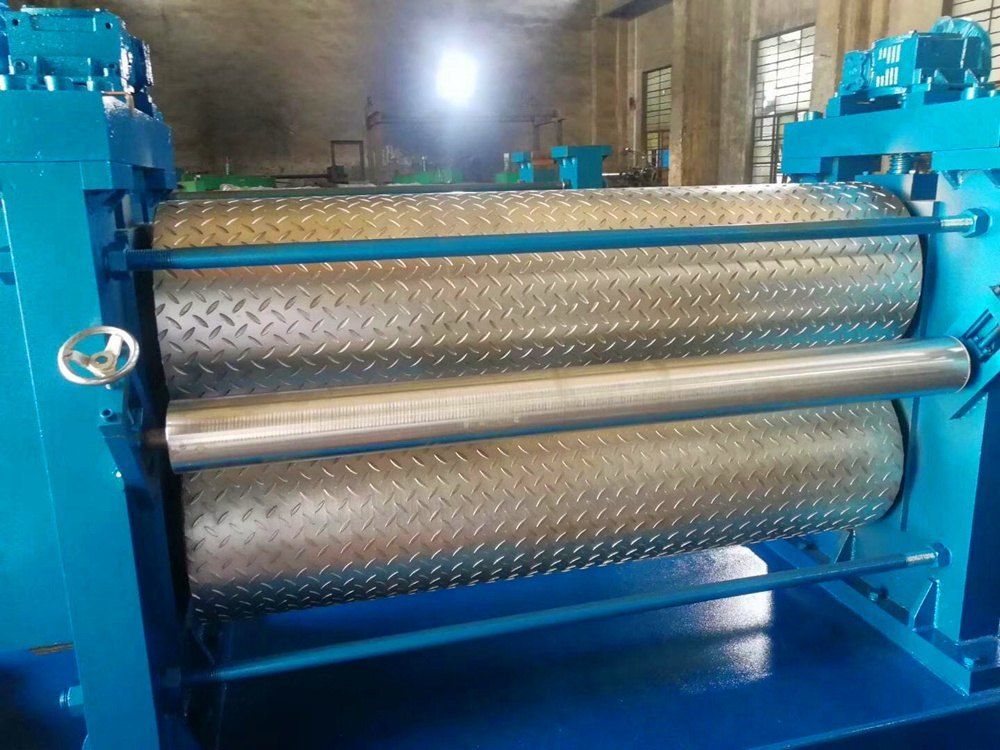
Metal embossing machines are industrial systems designed to create raised or recessed patterns on metal surfaces. This process enhances both the visual appeal and functional properties of materials such as steel, aluminum, brass, and copper. The embossed patterns can include textures, logos, serial markings, or decorative designs.
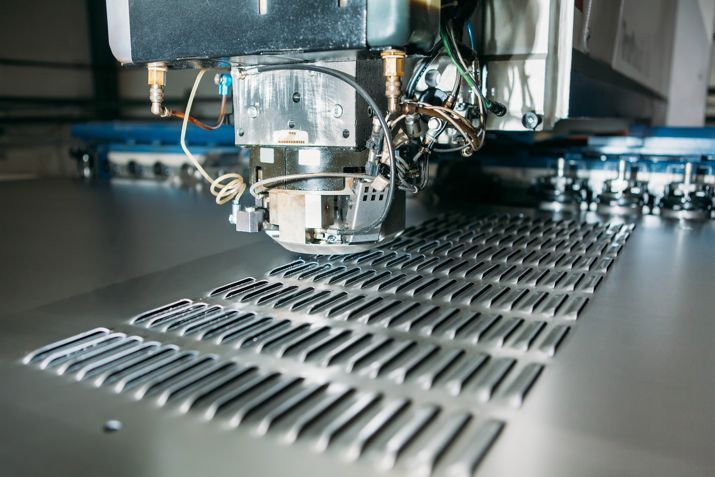
At the core, embossing involves applying pressure through specially designed rollers or dies. These tools shape the metal without removing material, making it a highly efficient manufacturing technique. Unlike engraving, which cuts into the surface, embossing deforms the material to create patterns.
These machines are widely used in industries such as automotive, construction, packaging, and consumer goods. For example, embossed metal panels are often seen in architectural designs, while textured sheets improve grip or reduce glare in industrial environments.
There are different types of embossing machines, including:
-
Hydraulic embossing machines for high-pressure applications
-
Mechanical embossing machines for faster production cycles
-
Roll embossing systems for continuous sheet processing
-
CNC-controlled embossing machines for precision patterns
The growing demand for customized designs and durable materials has increased the relevance of embossing technology in modern manufacturing.
Importance: Why Metal Embossing Machines Matter
Metal embossing machines play a critical role in improving both aesthetics and functionality. Their importance can be understood across multiple dimensions.
First, they enhance product value. Embossed patterns add texture and uniqueness, making products visually appealing without additional coatings or treatments. This is especially important in industries like interior design and packaging.
Second, embossing improves performance. Textured surfaces can:
-
Increase friction for better grip
-
Reduce surface reflection
-
Improve structural rigidity
-
Enhance wear resistance
Third, embossing supports identification and traceability. Many manufacturers use embossing for serial numbers, branding, and compliance markings. This helps in quality control and regulatory tracking.
Fourth, embossing aligns with efficient manufacturing practices. Since the process does not remove material, it minimizes waste. This makes it a preferred choice in industries focusing on resource optimization.
The following table highlights key benefits across sectors:
| Industry | Application Example | Key Benefit |
|---|---|---|
| Automotive | Interior panels, trims | Improved aesthetics and grip |
| Construction | Wall panels, roofing sheets | Structural strength |
| Packaging | Metal containers, labels | Branding and identification |
| Electronics | Device casings | Heat dissipation and texture |
Metal embossing machines are increasingly relevant as industries move toward high-quality finishes and durable materials.
Recent Updates: Trends and Developments
The metal embossing sector has seen several technological and operational trends in recent times. These developments reflect broader changes in manufacturing and industrial automation.
One key trend is the integration of automation and digital control systems. Modern embossing machines now include programmable interfaces that allow operators to adjust pressure, speed, and pattern alignment with precision. This reduces manual intervention and improves consistency.
Another notable update is the use of advanced materials in embossing rollers and dies. Improved alloys and coatings have increased tool life and reduced maintenance frequency.
Sustainability has also influenced the industry. Manufacturers are adopting:
-
Energy-efficient motors
-
Reduced lubrication systems
-
Optimized pressure control to minimize material stress
Additionally, there has been a shift toward customized and small-batch production. Flexible embossing systems now support rapid design changes, enabling manufacturers to respond to evolving market needs.
Digital simulation tools are also gaining traction. These tools allow engineers to visualize embossing patterns before production, reducing trial-and-error processes.
The following simplified comparison shows traditional vs modern embossing systems:
| Feature | Traditional Systems | Modern Systems |
|---|---|---|
| Control Mechanism | Manual adjustments | Digital control panels |
| Precision | Moderate | High |
| Energy Efficiency | Lower | Improved |
| Customization | Limited | Flexible |
These updates indicate a shift toward smarter, more efficient manufacturing environments.
Laws or Policies: Regulatory Considerations
Metal embossing machines are subject to various industrial regulations, especially in countries with structured manufacturing policies. These rules ensure safety, environmental protection, and product quality.
Workplace safety is a primary concern. Regulations often require:
-
Proper machine guarding
-
Emergency stop mechanisms
-
Operator training programs
-
Noise and vibration control
Environmental compliance is another important aspect. Embossing processes must adhere to guidelines related to:
-
Energy consumption
-
Lubricant usage
-
Waste management
In many regions, embossed products used in construction or automotive sectors must meet specific standards. These standards ensure that the embossed patterns do not weaken the material or compromise structural integrity.
Government initiatives in manufacturing sectors often promote advanced machinery adoption. Policies supporting industrial modernization encourage the use of automated embossing systems with improved efficiency.
Compliance documentation and certification processes are also essential. Manufacturers may need to maintain records of machine performance, safety checks, and production parameters.
Understanding these regulations helps ensure that embossing operations remain safe, efficient, and aligned with national standards.
Tools and Resources: Practical Support for Users
Several tools and resources can help professionals work effectively with metal embossing machines. These resources support design, operation, and maintenance.
Design and Simulation Tools:
-
CAD software for creating embossing patterns
-
Simulation platforms for testing pressure and deformation
-
Pattern libraries for standard designs
Machine Monitoring Systems:
-
Digital control panels for real-time adjustments
-
Sensors for pressure and temperature monitoring
-
Predictive maintenance systems
Calculation Tools:
-
Pressure calculation tools for embossing force
-
Material thickness calculators
-
Energy consumption estimators
Training Resources:
-
Technical manuals and guides
-
Industrial training modules
-
Safety procedure templates
Documentation Tools:
-
Maintenance logs
-
Production tracking sheets
-
Quality inspection checklists
The following table outlines common tools and their purpose:
| Tool Type | Purpose |
|---|---|
| CAD Software | Pattern design |
| Simulation Tools | Process optimization |
| Monitoring Systems | Machine performance tracking |
| Calculation Tools | Operational accuracy |
| Documentation Templates | Record keeping and compliance |
Using the right tools can improve efficiency, reduce errors, and enhance overall productivity.
FAQs: Common Questions About Metal Embossing Machines
What materials can be used in metal embossing machines?
Metal embossing machines typically work with materials such as aluminum, steel, copper, and brass. The choice depends on the application and required pattern depth.
How does embossing differ from engraving?
Embossing reshapes the surface without removing material, while engraving cuts into the metal. Embossing is generally faster and more material-efficient.
Are embossing machines suitable for high-volume production?
Yes, especially roll embossing systems are designed for continuous processing, making them suitable for large-scale manufacturing.
What factors affect embossing quality?
Key factors include pressure, material thickness, die design, and machine alignment. Proper calibration is essential for consistent results.
Do embossing machines require regular maintenance?
Yes, regular inspection of rollers, lubrication systems, and control components is important to maintain performance and extend machine life.
Conclusion
Metal embossing machines are an essential part of modern manufacturing, offering a balance between functionality and design. By reshaping metal surfaces without material removal, they provide an efficient and versatile solution for various industries.
Their importance continues to grow as industries demand durable, high-quality, and visually appealing products. With advancements in automation, digital controls, and sustainable practices, embossing technology is becoming more precise and efficient.
Understanding the context, importance, regulatory environment, and available tools helps professionals make informed decisions. Whether used for industrial components or decorative applications, metal embossing machines remain a valuable asset in manufacturing systems.
As technology evolves, these machines are likely to become even more integrated with smart manufacturing processes, supporting innovation and efficiency across multiple sectors.