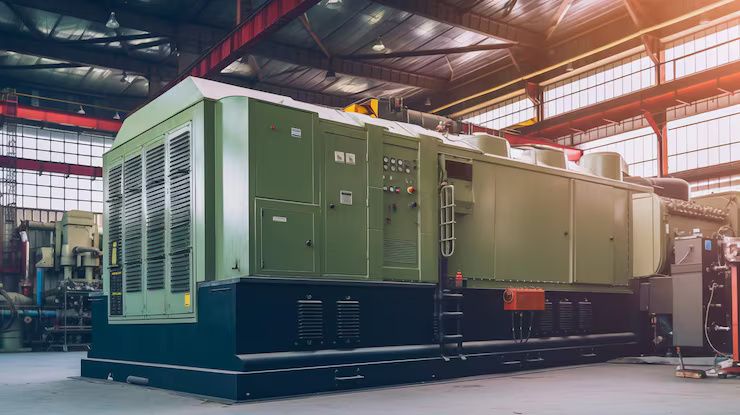
Power generators are machines designed to convert mechanical energy into electrical energy. They exist to supply electricity when the main grid becomes unavailable or unstable. Generators are widely used in homes, industrial facilities, hospitals, construction sites, and emergency operations. They play a key role in today’s energy systems, especially in regions where power interruptions occur due to weather events, infrastructure limitations, or high energy demand.
The basic principle behind a generator is electromagnetic induction. When a conductor moves through a magnetic field, an electric current is produced. Modern generators use engines powered by fuel sources such as diesel, gasoline, natural gas, or renewable alternatives. Their output capacity varies widely, making them adaptable for small devices or large-scale applications.
Importance
Power generators support essential activities across daily life, the economy, and public safety. Their importance is reflected in several areas:
-
Reliable electricity during outages caused by storms, grid failures, or scheduled maintenance.
-
Continuous operation for critical sectors like healthcare, data centers, telecommunications, and emergency response.
-
Support for remote locations where grid access is limited, such as rural areas, construction sites, and scientific fieldwork.
-
Stability for businesses and institutions, preventing disruptions to operations and time-sensitive processes.
-
Preparedness for natural disasters, providing a dependable power source in unpredictable conditions.
People who benefit include homeowners, facility managers, engineers, emergency planners, government agencies, and communities that rely on steady power for daily activities.
Generators solve the central problem of energy insecurity by creating a secondary source of electricity that can be activated as needed.
Recent Updates
Several advancements have shaped the generator landscape in 2024–2025:
-
Hybrid generator systems (2024): Combining traditional engines with solar panels and battery storage allows cleaner and quieter operation.
-
Lower-emission engines (2025): Manufacturers are improving efficiency to meet new environmental standards.
-
Remote monitoring technology (2024): Many generators now allow real-time status updates, diagnostics, and performance tracking through mobile apps.
-
Microgrid integration (2025): Generators are increasingly used in microgrids to support stable local power systems.
-
Noise-reduction engineering (2024): New acoustic enclosures and engineering improvements reduce sound output in residential and commercial environments.
-
Growth in portable inverter generators (2025): These offer stable power for sensitive electronics and continue gaining popularity for both home and field use.
These developments reflect a global move toward energy efficiency, environmental responsibility, and digital integration in power systems.
Laws or Policies
Power generators are influenced by regulations that ensure safety, environmental protection, and operational reliability. Examples include:
-
Emission standards: Many countries follow guidelines similar to the U.S. Environmental Protection Agency (EPA) or European Union Stage V standards, which control pollutant emissions from engines.
-
Noise regulations: Local governments often set allowable noise levels for generators used in residential or urban areas.
-
Fuel storage rules: Safety policies dictate how fuel containers must be handled, labeled, and stored to prevent fire hazards.
-
Electrical installation codes: Rules such as the National Electrical Code (NEC) in the United States specify grounding, wiring, and transfer switch requirements.
-
Emergency power mandates: Hospitals, airports, public facilities, and data centers in many countries are required to maintain backup power systems for safety and continuity.
-
Renewable energy policies: Incentives in some regions encourage the use of hybrid or cleaner generator technologies.
These frameworks guide the safe and responsible use of generators across different environments.
Tools and Resources
Several tools and educational platforms help users better understand and manage power generators:
-
Power calculation tools: Online wattage calculators help determine generator size for specific appliances or systems.
-
Voltage and load monitoring apps: Mobile applications can track generator performance, load distribution, and runtime hours.
-
Energy management dashboards: Some digital platforms integrate generator data into wider energy monitoring systems.
-
Fuel consumption estimators: Useful for planning generator runtime and efficiency.
-
Training guides: Engineering organizations publish manuals on generator setup, electrical safety, and maintenance practices.
-
Renewable integration software: Helps model hybrid energy systems that include solar, battery, and generator components.
These resources improve understanding, planning, and safe usage of generator systems.
FAQs
What does a power generator do?
A generator converts mechanical energy into electrical energy to provide power when the grid is unavailable or unstable.
What types of generators are most common?
Common types include portable generators, standby generators, inverter generators, and industrial-scale units. They vary in size, output, and intended application.
Can a generator power an entire home?
Yes, a properly sized generator can support home appliances, heating and cooling systems, and lighting. The required size depends on the electrical load.
Is a generator safe to use indoors?
No. Generators must be operated outdoors due to the risk of carbon monoxide accumulation. Proper ventilation is essential for safety.
What fuel sources do generators use?
Typical energy sources include gasoline, diesel, natural gas, propane, and emerging hybrid combinations involving solar and battery storage.
Conclusion
Power generators play a vital role in ensuring a stable and dependable power supply across homes, industries, and essential public systems. Their reliability supports everything from emergency response to digital infrastructure. As technology evolves, generators continue to improve in efficiency, environmental performance, and digital connectivity.
Understanding their basic functions, the latest innovations, regulatory requirements, and practical tools helps users make informed decisions and apply generators safely in a wide set of conditions. With growing attention to resilience and renewable energy, generators remain an essential part of modern energy planning.