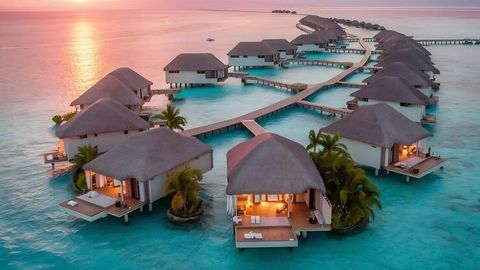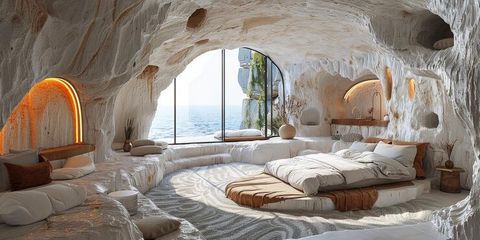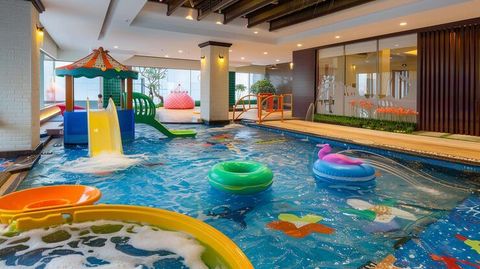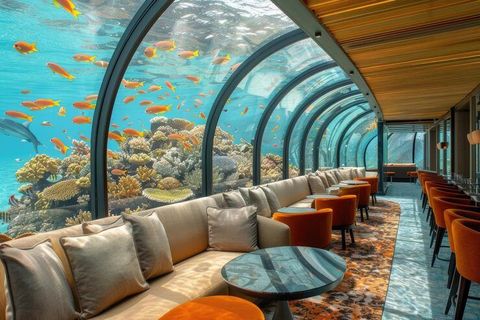
Spa resort wellness packages combine accommodation with planned activities designed around relaxation, fitness, mindfulness, beauty treatments, nutrition, and general well-being. Rather than treating a hotel stay and wellness activities as separate experiences, these packages organize several elements into a coordinated itinerary.
Wellness resorts can range from large destination properties with fitness facilities, hydrotherapy areas, restaurants, meditation spaces, and treatment rooms to smaller retreats focused on yoga, mindfulness, nature, or relaxation.
The modern wellness travel sector has developed alongside growing interest in preventive lifestyle practices, stress management, fitness, sleep quality, and healthier travel routines. However, wellness hospitality should be distinguished from medical treatment. A spa-based program may support relaxation and lifestyle goals, but it does not necessarily diagnose or treat a medical condition.
What a Wellness Package May Include
The exact contents differ between properties and destinations. Common components include:
Spa treatments
Yoga or movement sessions
Meditation and mindfulness activities
Fitness classes
Nutrition-focused meals
Hydrotherapy facilities
Sauna and steam facilities
Sleep-focused routines
Nature activities
Wellness consultations
Relaxation sessions
Some packages are designed for a weekend, while others can extend across several days or weeks.
Common Types of Wellness Retreats
| Wellness focus | Typical activities | Main travel interest |
|---|---|---|
| Relaxation | Massage, thermal facilities, meditation | Stress reduction |
| Fitness | Exercise classes, guided movement | Active travel |
| Mindfulness | Meditation, breathing exercises | Mental relaxation |
| Nutrition | Balanced menus, cooking activities | Healthy lifestyle |
| Sleep | Evening routines, quiet environments | Rest-focused travel |
| Nature | Walking, hiking, outdoor activities | Nature tourism |
| Beauty and spa | Skin treatments, hydrotherapy | Personal care |
The appropriate format depends on the traveler's goals, preferences, budget, schedule, and any relevant health considerations.
Why Spa Resort Wellness Packages Matter Today
Wellness travel has become an important part of the international tourism industry. Travelers increasingly look for trips that combine leisure with physical activity, relaxation, healthy food, nature, and personal routines.
The Global Wellness Institute reported that the global wellness economy reached $6.8 trillion in 2024, with wellness tourism among the sectors contributing to this broader economy. The organization projected continued growth through 2029.
Changing Travel Preferences
Traditional vacations often prioritize sightseeing and entertainment. Wellness travel adds another dimension by making personal routines part of the itinerary.
This can be particularly relevant to:
Luxury travel planning
Wellness tourism
Spa vacations
Resort accommodation
Corporate retreat planning
Fitness travel
Mindfulness retreats
Destination travel
Senior travel
Couples' travel
A wellness package can also simplify planning by bringing accommodation, scheduled activities, meals, and facilities into one itinerary.
Stress and Routine Management
Travel can sometimes disrupt sleep, eating patterns, physical activity, and daily routines. A structured wellness itinerary may help travelers maintain a more predictable schedule during a trip.
However, wellness claims should remain realistic. Activities such as meditation, massage, exercise, and relaxation may support general well-being, but they should not be presented as guaranteed solutions for medical or psychological conditions.
Economic and Destination Impact
Wellness resorts can contribute to destination tourism by attracting visitors interested in longer stays and specialized travel experiences. They can also encourage tourism outside major sightseeing centers, particularly when retreats are located near mountains, forests, coastlines, thermal springs, or rural areas.
For destination planners, wellness tourism can therefore connect hospitality with:
Nature tourism
Cultural tourism
Fitness tourism
Sustainable travel
Premium accommodation
Longer-stay travel
Recent Wellness Travel Developments
Wellness tourism has continued evolving during 2025 and 2026, with greater emphasis on personalized experiences, sleep, mental well-being, nature, and technology.
Wellness Tourism Continues to Expand
The Global Wellness Institute's latest industry research identified wellness tourism as one of the major sectors within the global wellness economy. Its 2025 research reported strong post-pandemic growth in wellness-related travel and projected continued expansion toward 2029.
This growth has encouraged resorts to diversify beyond traditional spa treatments.
Sleep and Recovery
Sleep has become a stronger theme within wellness hospitality. Resorts are increasingly incorporating quiet-room concepts, sleep education, relaxation routines, evening programming, and environmental controls designed around rest.
The broader trend reflects increasing consumer interest in sleep quality as part of overall wellness rather than treating a spa visit purely as a short relaxation activity.
Digital Wellness
Technology is also influencing wellness travel. Some properties use digital questionnaires, fitness tracking, meditation applications, wearable devices, and personalized activity planning.
Technology can help travelers record activity, sleep, or relaxation patterns, although personal data should be handled carefully and travelers should understand how information is collected and stored.
Nature-Based Wellness
Nature is another major theme. Resorts located near forests, mountains, thermal springs, beaches, and protected landscapes increasingly incorporate outdoor walking, guided nature activities, breathing exercises, and quiet spaces into wellness itineraries.
The trend connects wellness travel with broader demand for nature-based tourism.
Laws, Policies and Consumer Protection
Spain provides a useful regulatory example because it has a large tourism industry and a substantial spa and wellness sector.
Wellness resorts in Spain operate under several layers of regulation depending on what they provide. Ordinary hospitality activities are different from medical or healthcare activities, and the distinction matters when a property makes health-related claims.
Tourism Regulation
Tourism accommodation is regulated at the autonomous-community level in Spain. Requirements can cover accommodation registration, safety, accessibility, consumer information, and local planning.
A resort providing ordinary spa and relaxation activities must also comply with applicable regional and municipal requirements.
Health-Related Activities
A major distinction exists between wellness activities and healthcare.
If a facility provides regulated medical treatment, diagnostic procedures, or healthcare interventions, additional professional and healthcare requirements may apply. A resort should therefore avoid presenting ordinary spa activities as substitutes for professional medical care.
Advertising and Consumer Information
Spanish and European consumer-protection rules are relevant when wellness businesses describe what their packages include.
Claims should be clear, accurate, and supportable. Statements suggesting that a particular treatment guarantees weight loss, cures a disease, reverses a medical condition, or produces a guaranteed psychological result can create regulatory concerns.
For digital advertising, accurate descriptions are particularly important. Travel and wellness advertisements should clearly represent the nature of the accommodation, activities, duration, and included elements.
Accessibility
Accessibility is another important consideration. European and Spanish rules provide protections relating to accessibility and non-discrimination, while specific building and tourism requirements can vary by region.
Travelers with mobility or other accessibility requirements should check individual property information before making arrangements.
Tools and Resources for Wellness Travel Planning
Several resources can help travelers evaluate wellness packages without relying solely on promotional descriptions.
Resort Research Tools
Useful resources include:
Official tourism websites
Resort websites
Digital maps
Accommodation comparison platforms
Spa treatment menus
Fitness and activity schedules
Destination weather applications
Travel insurance documentation
Comparing the actual itinerary can be more useful than focusing on the package name.
Wellness Planning Checklist
Before selecting a retreat, check:
Accommodation type
Number of nights
Included activities
Treatment duration
Meal arrangements
Fitness facilities
Pool and thermal facilities
Cancellation conditions
Accessibility
Transportation
Health and safety information
Health and Activity Tracking
Travelers may also use:
Fitness trackers
Sleep-tracking applications
Meditation applications
Hydration reminders
Walking applications
Calendar tools
These tools can help organize personal routines, but they should not replace professional medical advice when medical concerns exist.
Comparing Wellness Packages
A simple comparison table can include:
| Factor | Package A | Package B | Package C |
|---|---|---|---|
| Duration | 3 nights | 5 nights | 7 nights |
| Fitness sessions | Included | Included | Optional |
| Spa treatments | 2 | 3 | 5 |
| Nutrition program | Yes | Yes | Yes |
| Meditation | Daily | Selected days | Daily |
| Outdoor activities | Limited | Moderate | Extensive |
This approach helps travelers compare the actual components rather than relying on labels such as “luxury wellness retreat.”
Frequently Asked Questions
What is a spa resort wellness package?
It is a planned resort stay that combines accommodation with selected wellness activities such as spa treatments, fitness sessions, meditation, nutrition-focused meals, or relaxation programs.
Are wellness resort activities medical treatments?
Usually not. Many spa and wellness activities are designed for relaxation and general well-being. Medical treatment is a separate category and may require qualified healthcare professionals and additional regulatory requirements.
How long should a wellness retreat last?
There is no universal ideal duration. Short retreats may focus on relaxation, while longer stays can provide more time for structured fitness, mindfulness, nutrition, or nature activities.
Are wellness packages suitable for everyone?
Not necessarily. Travelers should consider physical activity levels, dietary requirements, accessibility, pregnancy considerations, medications, and other personal circumstances. Professional medical guidance may be appropriate for people with specific health concerns.
What should travelers check before booking?
They should verify what is actually included, accommodation details, treatment schedules, activity requirements, cancellation conditions, accessibility, transportation, and any health or safety information.
Conclusion
Spa resort wellness packages represent a growing part of modern wellness tourism, combining accommodation with activities focused on relaxation, fitness, mindfulness, nutrition, nature, and personal routines.
The sector has expanded beyond traditional spa visits. Recent wellness travel trends increasingly include sleep, recovery, personalized programming, digital tools, outdoor activities, and nature-based experiences. Industry research indicates that wellness tourism remains an important component of the expanding global wellness economy.
For travelers, the most useful approach is to examine the actual contents of a package rather than relying on broad wellness terminology. Duration, accommodation, activities, meals, accessibility, safety information, and cancellation conditions can significantly affect the suitability of a retreat.
Regulation is also important. Tourism rules, consumer protection, accessibility requirements, and healthcare regulations can all become relevant depending on what a resort provides and the claims it makes.
A well-designed wellness trip can combine relaxation with meaningful travel experiences while maintaining realistic expectations. As wellness tourism continues to develop, successful destinations will increasingly need to balance personalized hospitality, responsible communication, environmental awareness, and evidence-based approaches to general well-being.