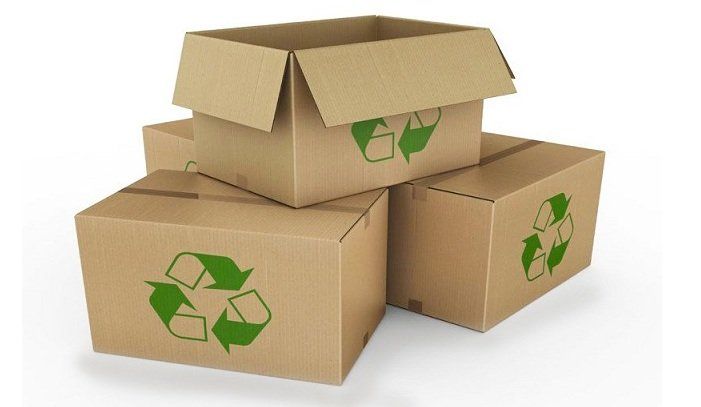
Eco-friendly packaging refers to materials and methods used to package goods with minimal environmental impact. This can include recyclable, biodegradable, reusable, or compostable materials. The goal is to reduce waste, lower carbon emissions, and promote sustainability throughout a product’s lifecycle from production and distribution to disposal.
The demand for such packaging has grown significantly due to rising awareness of pollution, especially from plastic waste. Both individuals and industries are now shifting toward greener solutions that support environmental conservation without compromising product safety or quality.
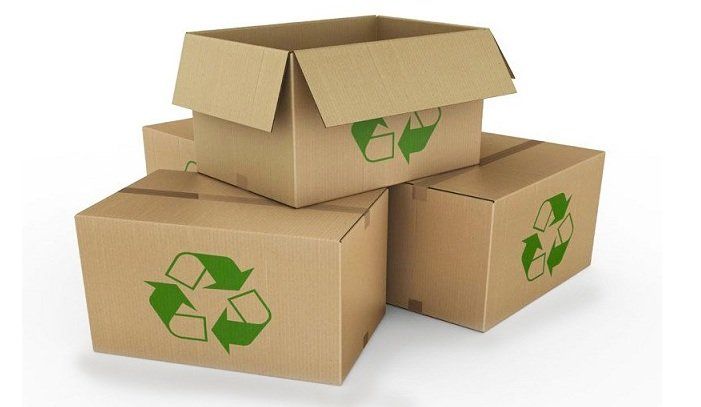
Why Eco-Friendly Packaging Matters
Eco-friendly packaging isn’t just a trend it addresses urgent environmental and health concerns. Here’s why it’s important:
Global Environmental Impact
-
Plastic Pollution: Over 400 million tons of plastic are produced globally each year, much of which ends up in oceans and landfills.
-
Carbon Footprint: Traditional packaging materials often require fossil fuels to produce and transport.
-
Waste Management Challenges: Non-biodegradable materials contribute to landfill overflow and long-term waste issues.
Who It Affects
-
Consumers: Growing preference for sustainable brands.
-
Businesses: Increasing pressure to adopt green practices from regulators and customers.
-
Environment: Pollution from packaging affects soil, water, and marine life.
Problems Solved by Sustainable Packaging
-
Reduces single-use plastics and harmful chemicals
-
Supports recycling and circular economy initiatives
-
Minimizes transportation emissions through lighter materials
-
Promotes responsible sourcing and end-of-life disposal
Recent Trends and Updates in Eco-Friendly Packaging (2024–2025)
Several innovations and movements have shaped the eco-packaging space in the past year:
| Trend | Description |
|---|---|
| Mushroom Packaging | Made from mycelium, a biodegradable alternative for plastic foam. Gained popularity in the U.S. and Europe. |
| Seaweed-Based Wraps | Edible and compostable wraps used for food packaging, introduced in select Asian markets. |
| Mono-Materials | Easily recyclable packaging using one type of plastic (e.g., only PET). Supported by brands like Nestlé and Unilever. |
| Plastic Bans | In 2024, countries like India and Canada expanded bans on single-use plastics. |
| Smart Packaging | Digital tracking and QR codes on packages to provide recycling instructions and sustainability data. |
Regulations and Government Policies Supporting Eco Packaging
Policies around the world are accelerating the shift toward sustainable packaging. Some key examples include:
India
-
Single-Use Plastic Ban: In July 2022, India banned the manufacture, sale, and use of identified single-use plastic items.
-
EPR (Extended Producer Responsibility): Requires manufacturers to manage post-consumer waste through recycling or collection systems.
European Union
-
Packaging and Packaging Waste Regulation (PPWR): Revised in 2023, this policy aims for all packaging in the EU to be reusable or recyclable by 2030.
-
Plastic Tax: Imposes a levy on non-recycled plastic waste to encourage recyclable alternatives.
United States
-
California SB 54: Enacted in 2022, requires all packaging to be recyclable or compostable by 2032.
-
Federal Initiatives: The EPA supports voluntary programs promoting sustainable packaging.
Governments also offer incentives such as tax rebates, funding for R&D, and public awareness campaigns to support adoption.
Helpful Tools and Resources for Eco-Friendly Packaging
Whether you're a consumer or a business, several tools and platforms can help you make sustainable packaging decisions:
For Businesses
-
Packhelp – Online platform for custom, eco-friendly packaging options
-
EcoEnclose – Supplier for recycled and compostable shipping materials
-
Sustainable Packaging Coalition (SPC) – Offers training, labeling systems, and design resources
-
Sora Packaging Design Tool – Visual tool to calculate the sustainability of packaging designs
For Individuals
-
Plastic Footprint Calculator (by WWF): Helps estimate personal plastic usage
-
Recycle Coach: App that gives localized recycling information
-
Zero Waste Home App: Offers packaging-free product alternatives
-
Compost Guide: Online resources for composting biodegradable packaging
These tools can guide informed choices about materials, disposal, and procurement.
Frequently Asked Questions (FAQs)
What materials are considered eco-friendly for packaging?
Eco-friendly materials include recycled paper, cardboard, cornstarch, biodegradable plastics (PLA), mushroom packaging, bamboo, and seaweed. These materials are typically renewable, recyclable, compostable, or reusable.
How can businesses shift to sustainable packaging affordably?
Start with lightweight and minimal packaging, use recycled content, and partner with local suppliers. Many governments offer incentives for green transitions, and bulk buying reduces costs.
Is compostable packaging always better than recyclable packaging?
Not always. Compostable packaging requires industrial composting facilities to break down effectively. In areas where these aren't available, recyclable materials may be more practical and environmentally beneficial.
Are there certifications for eco-friendly packaging?
Yes. Common certifications include FSC (Forest Stewardship Council) for paper, BPI or OK Compost for compostability, and Green Seal for sustainable product standards.
What role does design play in eco-friendly packaging?
Design can reduce material use, improve recyclability, and cut emissions during transport. Features like minimal ink use, mono-material construction, and reusable formats all contribute to sustainability.
Final Thoughts
Eco-friendly packaging is not just a responsible choice it’s becoming an essential part of modern business and consumer behavior. With increasing regulations, public demand, and environmental urgency, the packaging industry is undergoing a meaningful transformation.
By understanding the available alternatives, staying informed about legal obligations, and using the right tools, anyone can contribute to a more sustainable packaging ecosystem.
Quick Checklist for Sustainable Packaging Choices
-
Choose recyclable, biodegradable, or compostable materials
-
Avoid mixed materials that are hard to recycle
-
Source from certified suppliers (FSC, BPI, etc.)
-
Minimize packaging size and weight
-
Educate customers about disposal methods
By applying these best practices, individuals and businesses alike can make packaging smarter, greener, and future-ready.