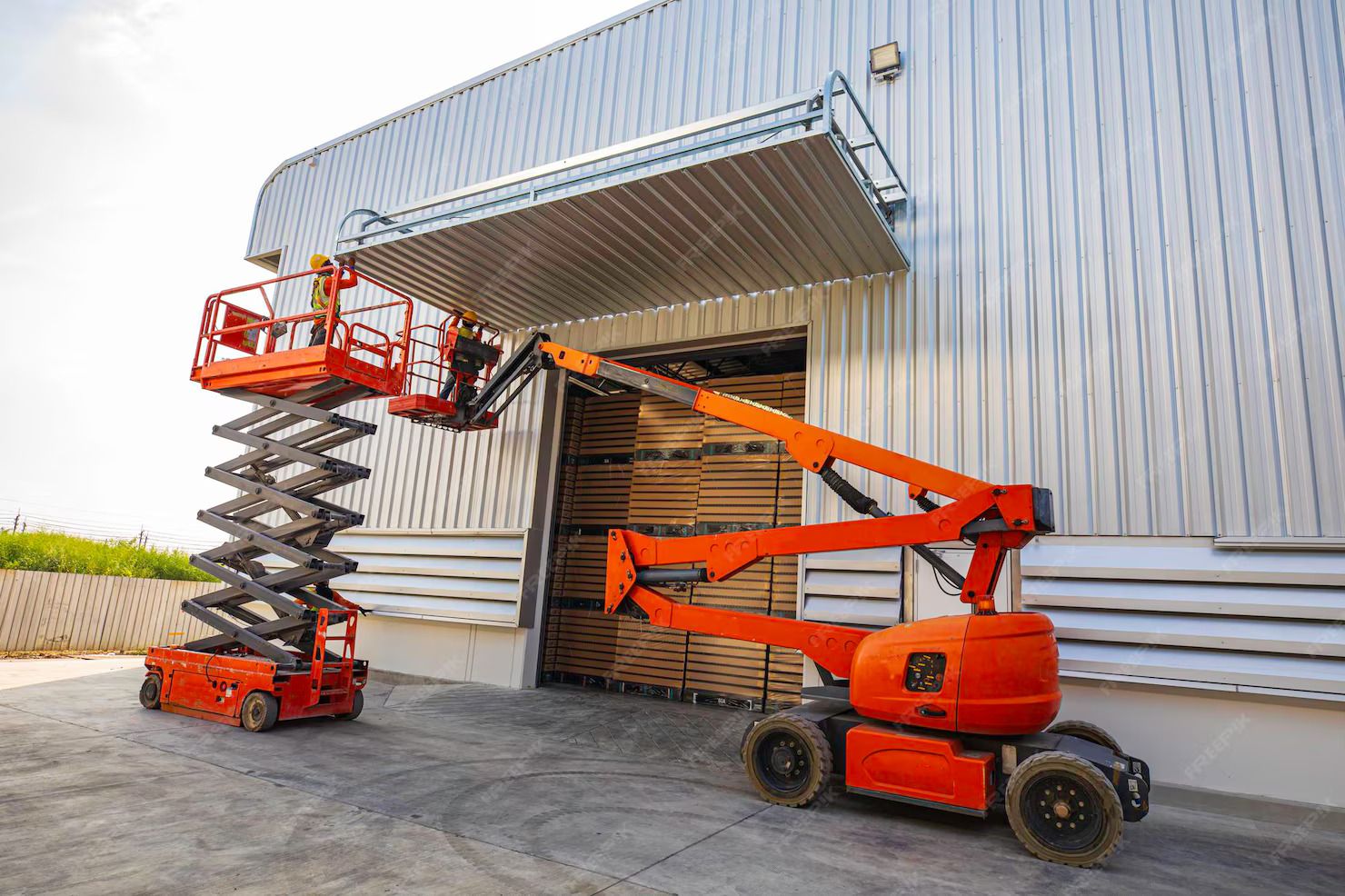
Electric lifting equipment refers to powered machines designed to raise, lower, and move heavy loads using electric motors and mechanical systems. These machines are widely used in manufacturing, construction, logistics, and warehouses where manual lifting would be inefficient or unsafe.
Modern industries rely on electric lifting equipment because it improves precision, reduces physical strain on workers, and allows large materials to be handled safely. Common examples include electric hoists, overhead cranes, electric chain hoists, lifting tables, and motorized gantry systems.
The concept of powered lifting developed as industries grew more complex. Early factories relied on manual pulley systems and mechanical winches, which required significant human effort. As electric motors became common during the twentieth century, lifting equipment evolved into more advanced systems capable of handling larger loads with improved accuracy.
Today, electric lifting systems combine mechanical engineering with electronic control technology. Sensors, programmable controllers, and automation systems help operators manage loads more safely and efficiently. These technologies allow industries to move heavy equipment, construction materials, and manufacturing components with greater reliability.
Electric lifting equipment exists to solve a fundamental industrial challenge: safely moving heavy objects while maintaining productivity and worker safety.
Importance of Electric Lifting Equipment in Modern Industry
Material handling plays a crucial role in global supply chains. Factories, ports, warehouses, and construction sites must move heavy materials regularly. Electric lifting equipment helps industries perform these tasks with greater efficiency and consistency.
Without lifting systems, many industrial activities would require extensive manual labor or complex mechanical solutions. Electric lifting equipment simplifies the process while maintaining safety standards.
Industries that commonly rely on electric lifting equipment include:
- Manufacturing plants
- Automotive production facilities
- Construction sites
- Warehousing and logistics centers
- Shipping ports and container terminals
- Mining and heavy engineering operations
These systems address several important challenges.
Workplace safety
Heavy lifting is one of the most common causes of workplace injuries. Electric lifting equipment reduces the need for manual handling, helping minimize strain and accidents.
Operational efficiency
Machines can lift and transport loads faster and more consistently than manual methods. This helps companies maintain production schedules and meet supply chain demands.
Precision and control
Modern lifting equipment uses motorized systems and electronic controls that allow precise positioning of loads. This is particularly important in manufacturing environments where components must be aligned accurately.
Handling heavy loads
Some industrial components weigh several tons. Electric lifting equipment allows industries to move these loads safely without complex manual methods.
The increasing complexity of industrial production has made lifting technology an essential part of modern infrastructure.
Recent Updates and Technology Trends
Electric lifting equipment continues to evolve as industries adopt automation and digital monitoring systems. Over the past few years, several trends have influenced the design and operation of lifting technologies.
One major trend is the integration of smart monitoring systems. Many modern lifting machines now include sensors that track load weight, motor temperature, and operational cycles. These systems help operators monitor equipment performance and reduce downtime.
Another development is the adoption of Industry 4.0 technologies. Factories are increasingly connecting lifting equipment to digital networks. This allows real-time data monitoring and predictive maintenance.
In 2024, several industrial automation companies introduced electric hoists with integrated safety diagnostics and remote monitoring systems. These systems can detect abnormal load conditions and notify operators before mechanical failures occur.
Battery-powered lifting systems have also gained attention. Portable lifting equipment powered by high-capacity lithium batteries is becoming more common in logistics and construction environments where mobility is important.
Automation has also influenced crane operations. Some modern overhead cranes can operate through programmable controls that assist operators in maintaining precise load movement.
Another emerging trend is energy efficiency. Manufacturers are designing electric motors and drive systems that reduce power consumption while maintaining lifting performance.
These developments show how lifting technology continues to adapt to modern industrial requirements.
Regulations and Safety Policies
Electric lifting equipment is heavily regulated because improper operation can lead to serious accidents. Governments and safety organizations establish rules to ensure lifting systems are used responsibly.
Different countries follow different regulatory frameworks, but many standards are globally recognized.
Common safety standards include:
- ISO 4301 guidelines for crane classification
- ISO 12100 standards for machinery safety design
- OSHA lifting equipment regulations in the United States
- European Machinery Directive 2006/42/EC
In India, lifting equipment is regulated through workplace safety laws such as:
- Factories Act, 1948
- Occupational Safety, Health and Working Conditions Code (OSH Code), 2020
These regulations require employers to ensure lifting equipment is properly maintained and inspected.
Safety requirements often include:
- Regular equipment inspection
- Load capacity labeling
- Operator training
- Emergency stop systems
- Overload protection mechanisms
Organizations such as the International Labour Organization (ILO) also promote global workplace safety guidelines that influence lifting equipment regulations.
These policies help ensure that industrial lifting systems operate safely and reliably.
Tools and Resources for Understanding Electric Lifting Equipment
Various digital tools and educational resources help engineers, students, and industry professionals learn about lifting systems.
These tools support equipment analysis, safety planning, and operational understanding.
Engineering simulation tools
- CAD design software for modeling lifting structures
- Load analysis software used in crane design
- Mechanical simulation platforms for stress testing
Safety and training resources
- Workplace safety training platforms
- Industrial safety certification programs
- Equipment inspection checklists
Industry information platforms
- Engineering research databases
- manufacturing technology portals
- industrial equipment documentation libraries
Technical calculators
Engineers frequently use specialized calculators to analyze lifting capacity and mechanical stress.
Example engineering calculations include:
| Calculation Type | Purpose |
|---|---|
| Load capacity analysis | Determines safe lifting limits |
| Motor torque estimation | Evaluates motor performance |
| Structural stress calculations | Ensures equipment durability |
These resources help professionals understand how lifting equipment works and how to operate it responsibly.
Common Types of Electric Lifting Equipment
Electric lifting technology includes several different machine designs, each suited for specific industrial environments.
| Equipment Type | Typical Application |
|---|---|
| Electric Chain Hoist | Factory assembly lines |
| Electric Wire Rope Hoist | Heavy industrial lifting |
| Overhead Crane | Large manufacturing facilities |
| Gantry Crane | Construction and shipyards |
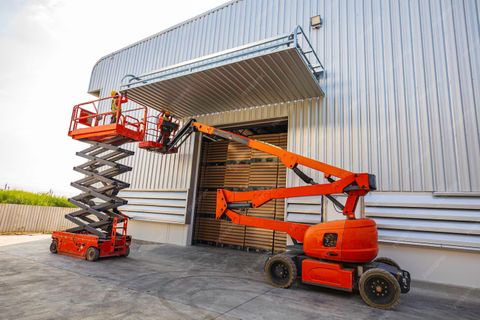
| Electric Scissor Lift | Maintenance and installation work |
Each type is designed to handle specific load capacities and movement patterns. Choosing the correct equipment depends on the lifting height, weight requirements, and workspace configuration.
Frequently Asked Questions
What is electric lifting equipment used for?
Electric lifting equipment is used to raise, lower, and move heavy loads in industrial environments such as factories, construction sites, warehouses, and shipping ports.
How does an electric hoist work?
An electric hoist uses a motor to rotate a drum or chain mechanism that lifts or lowers loads through cables or chains attached to a hook.
What safety features are common in modern lifting equipment?
Common features include overload protection, emergency stop buttons, braking systems, and sensors that monitor operational conditions.
How often should lifting equipment be inspected?
Inspection schedules vary by regulation and usage, but most safety standards recommend regular inspections, including daily visual checks and periodic professional assessments.
What industries rely most on electric lifting systems?
Manufacturing, construction, logistics, shipping, mining, and heavy engineering industries rely heavily on lifting equipment to move large materials.
Conclusion
Electric lifting equipment has become a fundamental part of modern industrial operations. By combining electric motors, mechanical engineering, and digital monitoring technologies, these systems allow industries to handle heavy loads with greater efficiency and safety.
As industrial processes continue to evolve, lifting technologies are also advancing. Smart monitoring systems, automation, and energy-efficient motors are shaping the next generation of lifting equipment.
Understanding how these systems work, the regulations that govern them, and the tools used to design and maintain them helps professionals operate lifting equipment responsibly. With proper use and adherence to safety standards, electric lifting technology will continue to support manufacturing, construction, and logistics infrastructure worldwide.