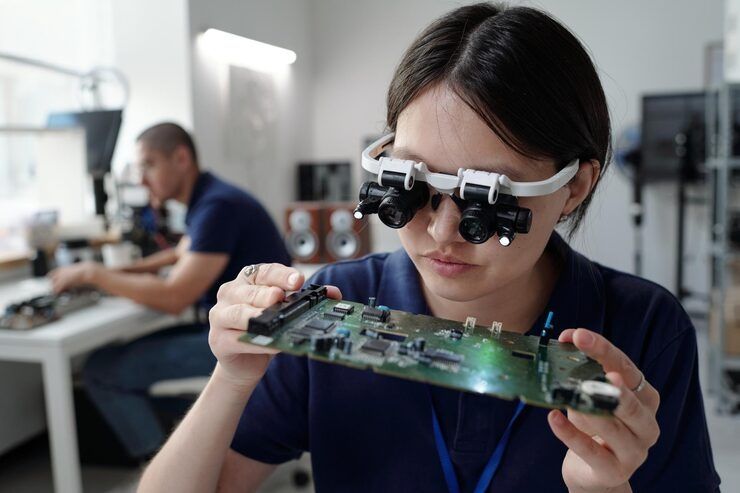
Embedded computing modules sit at the heart of many electronic products that perform dedicated computing tasks. They combine processing resources, memory, connectivity, and supporting circuitry into a compact hardware platform that can be integrated into a larger device or machine.
Unlike general-purpose computers designed to run a broad range of applications, embedded computing modules are usually developed around specific operational requirements. They may control industrial equipment, process sensor information, manage transportation systems, support medical devices, or provide computing resources inside connected products.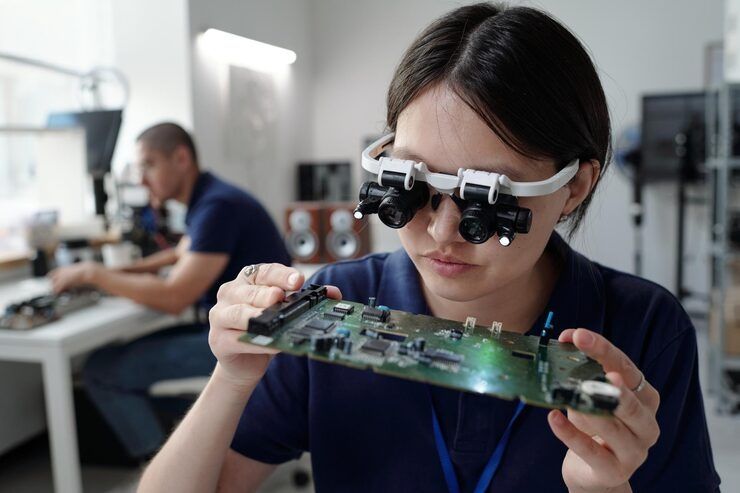
Understanding an embedded computing module requires looking beyond the processor itself. Its architecture, memory, interfaces, power management, operating environment, and software support all influence how effectively it performs within a complete system.
How Embedded Computing Modules Fit Into Larger Systems
An embedded computing module is typically one part of a larger electronic architecture. The module supplies computing capabilities while other system elements provide sensors, actuators, displays, power sources, communication infrastructure, or mechanical functions.
This modular approach can simplify product development. Instead of designing a complete computing platform from individual semiconductor components, engineers can integrate a prepared computing module with a carrier board or application-specific electronics.
The result is a separation between core computing functions and application-specific hardware. This allows the same underlying computing platform to support different products with relatively small changes to surrounding circuitry.
The Core Architecture of an Embedded Computing Module
The architecture determines how the module processes information and communicates with connected hardware. Although designs vary significantly, most modules contain several fundamental building blocks.
Processor and System-on-Chip
The processor is responsible for executing software instructions and managing system operations. Depending on the application, an embedded computing module may use a microprocessor, microcontroller, or system-on-chip architecture that combines processing cores with additional peripherals.
Modern system-on-chip devices can include graphics processors, memory controllers, communication interfaces, security functions, and hardware accelerators. Integrating these functions reduces the number of external components required while supporting more sophisticated applications.
Processor selection depends on factors such as computational workload, real-time requirements, thermal conditions, operating system support, and energy consumption.
Memory Architecture
Memory determines how an embedded platform stores software, temporary information, and persistent system data.
Volatile memory such as RAM provides fast working space for active processes, while non-volatile storage preserves firmware, configuration information, and application data when power is removed.
Different applications require different memory capacities and performance characteristics. A simple control system may need only limited memory, while an edge computing platform processing video or machine-learning workloads can require substantially greater resources.
Interfaces and Connectivity
Connectivity allows an embedded computing module to interact with the surrounding system. These interfaces may connect the module to sensors, displays, storage devices, communication networks, or other controllers.
Common interfaces include USB, Ethernet, SPI, I²C, UART, CAN, GPIO, and PCIe. Wireless capabilities such as Wi-Fi, Bluetooth, or cellular communication may also be integrated when the application requires network connectivity.
Interface selection depends on data rate, communication distance, timing requirements, protocol compatibility, and environmental conditions.
For example, industrial control systems may prioritize deterministic communication, while a connected consumer device may place greater emphasis on wireless networking and low power operation.
Power Management Is a Key Design Consideration
An embedded computing module must operate within the electrical and thermal limits of its host system. Power management therefore plays a major role in architecture and design.
Voltage regulators convert incoming power into the levels required by the processor, memory, and peripheral circuits. Power sequencing ensures that different components start and shut down in an appropriate order.
Low-power applications may also use sleep states, clock management, and selective power switching to reduce energy consumption. These techniques are particularly relevant for battery-powered equipment where operating time depends heavily on energy efficiency.
Thermal design is closely connected to power. Higher processing performance can increase heat generation, requiring suitable heat spreading, airflow, or other thermal management methods.
Software and Firmware Integration
Hardware alone does not determine the behavior of an embedded computing module. Firmware and operating system software control how the processor communicates with peripherals and executes application workloads.
Simple embedded systems may run dedicated firmware without a full operating system. More advanced modules can use operating systems such as Linux, Android, or real-time operating systems designed for deterministic control.
Software support also includes device drivers, bootloaders, development tools, middleware, and application programming interfaces. Strong hardware-software integration can simplify development and improve system reliability.
Real-Time Performance and Deterministic Operation
Not every embedded system requires the same type of computing performance. Some applications prioritize overall processing throughput, while others require predictable response times.
Real-time systems must respond to events within defined timing constraints. Industrial controllers, robotics systems, automotive control units, and certain medical applications may depend on deterministic execution.
Hardware architecture, interrupt handling, processor scheduling, communication interfaces, and real-time operating systems can all influence response behavior.
For engineers, understanding these requirements early helps prevent a situation where a theoretically powerful processor fails to meet the application's timing characteristics.
Security Features Within Embedded Architecture
Connectivity has made security a fundamental consideration for embedded computing. A compromised module can potentially expose sensitive information or interfere with physical processes.
Modern platforms may incorporate secure boot mechanisms, hardware-based encryption, trusted execution environments, cryptographic accelerators, and protected key storage.
Security also extends to software updates and system lifecycle management. Firmware needs mechanisms for authenticated updates and protection against unauthorized modification.
A strong security architecture considers the complete system rather than treating cybersecurity as an isolated hardware feature.
Common Applications of Embedded Computing Modules
Embedded computing modules are used in a wide variety of environments because they can combine compact hardware with application-specific functionality.
Typical applications include:
- Industrial automation and machine control
- Automotive electronics and transportation systems
- Medical and diagnostic equipment
- Robotics and autonomous machines
- Energy and utility monitoring
- Network and communications equipment
- Retail and point-of-service devices
- Smart building infrastructure
- Edge computing platforms
In each case, the module is selected according to the application's processing, connectivity, environmental, and lifecycle requirements.
Design Factors That Influence Module Selection
Choosing an appropriate embedded computing module requires more than comparing processor specifications. Engineers typically evaluate the complete operating environment and long-term system requirements.
Important factors include:
| Design Factor | Why It Matters |
|---|---|
| Processing capability | Determines how effectively the module handles application workloads. |
| Memory | Influences software capacity and data-processing requirements. |
| Interfaces | Defines compatibility with sensors, networks, and peripherals. |
| Power consumption | Affects energy use and thermal behavior. |
| Operating temperature | Determines suitability for demanding environments. |
| Software support | Influences development effort and long-term maintenance. |
| Security | Helps protect firmware, data, and system functions. |
| Lifecycle | Supports long-term product continuity and maintenance planning. |
Evaluating these factors together provides a more realistic picture of whether a module fits the intended application.
Why Modular Computing Architecture Matters
The modular design of embedded computing platforms can shorten development cycles and improve product flexibility. A manufacturer can use a standardized computing core across several system configurations while adapting the carrier hardware to different applications.
This approach can also simplify upgrades. As processor technology advances, a compatible module may allow computing capability to improve without requiring a complete redesign of the surrounding system.
However, compatibility must be evaluated carefully. Mechanical dimensions, electrical characteristics, software support, thermal requirements, and interface availability all affect whether a newer module can be integrated successfully.
Frequently Asked Questions
What is an embedded computing module?
An embedded computing module is a compact computing platform designed to provide processing, memory, connectivity, and related functions within a larger electronic system.
How is an embedded module different from a regular computer?
An embedded module is generally designed around a specific application or class of applications. It emphasizes integration, controlled operation, environmental suitability, and long-term system reliability rather than broad personal-computing functionality.
What components are commonly included?
A typical module can include a processor or system-on-chip, RAM, non-volatile storage, power management circuitry, communication interfaces, security features, and supporting controllers.
Where are embedded computing modules used?
They are widely used in industrial automation, robotics, transportation, medical equipment, networking, energy systems, smart infrastructure, and edge computing applications.
Why is power management important?
Power management controls electrical consumption and heat generation, which directly affects reliability, thermal behavior, and suitability for applications with strict energy constraints.
Conclusion
An embedded computing module combines computing resources and supporting technologies into a compact platform designed for integration within a larger electronic system. Its architecture extends far beyond the processor, incorporating memory, connectivity, power management, security, software support, and environmental considerations.
Understanding these elements makes it easier to evaluate how embedded platforms support modern applications. As connected devices, industrial automation, edge processing, and intelligent control systems continue to develop, modular embedded computing architectures will remain an important foundation for building capable and adaptable electronic products.