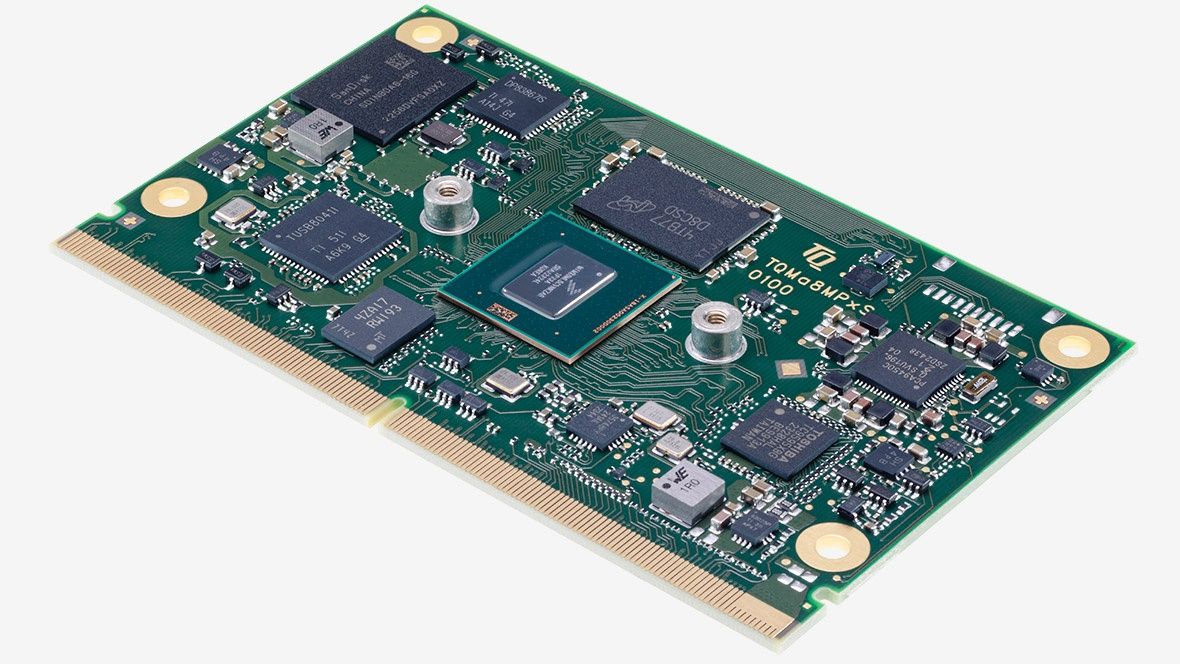
Embedded computing modules are compact computing systems designed to perform specific tasks within larger devices. These modules combine essential hardware components such as processors, memory, and input/output interfaces into a single unit. Unlike general-purpose computers, they are built for dedicated functions and are commonly found in everyday technologies such as home appliances, industrial machines, medical equipment, and vehicles.
The concept of embedded systems emerged as technology advanced and devices required more intelligent control. Over time, these systems evolved into modular formats, allowing developers to integrate computing capabilities more efficiently. An embedded computing module simplifies system design by providing a pre-integrated solution that can be added to a product without building the computing architecture from scratch.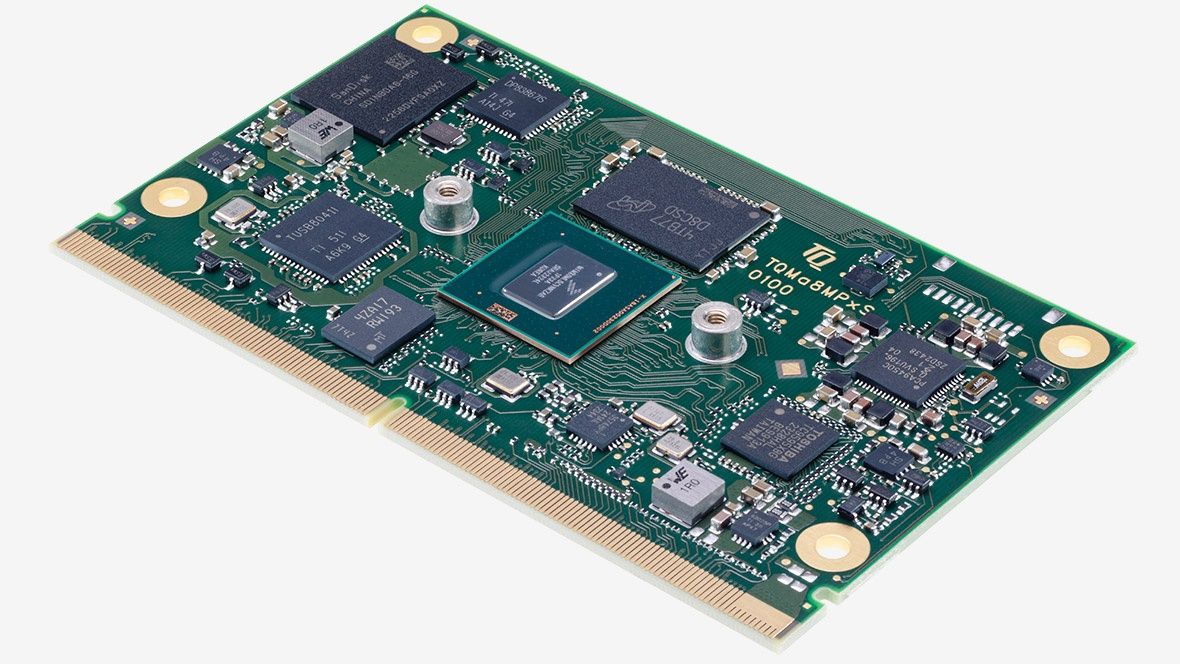
At its core, the architecture of an embedded computing module is structured to balance performance, power efficiency, and reliability. These modules are typically optimized for continuous operation in controlled environments, making them suitable for both consumer and industrial applications.
Importance
Embedded computing modules play a crucial role in modern technology by enabling automation, efficiency, and intelligent decision-making. They are widely used in systems where consistent and reliable operation is required without direct human interaction.
One key reason these modules matter is their ability to handle real-time processing. For example, in automotive systems, embedded modules manage engine control, braking systems, and safety features. In healthcare, they support diagnostic devices and monitoring equipment.
Another important aspect is scalability. Manufacturers can use the same embedded computing module across multiple products, reducing development complexity. This modular approach also supports faster innovation cycles, as updates can be made at the module level without redesigning the entire system.
Embedded computing modules also address challenges such as:
- Space constraints, where compact hardware is necessary
- Energy efficiency, especially in battery-powered devices
- Reliability, ensuring consistent operation over long periods
- Customization, allowing systems to be tailored for specific applications
As technology becomes more interconnected, these modules form the backbone of systems like smart homes, industrial automation, and connected transportation.
Recent Updates
Recent developments in embedded computing modules reflect broader trends in computing and electronics. Between 2024 and 2026, several advancements have shaped how these modules are designed and deployed.
One notable trend is the integration of artificial intelligence capabilities directly into embedded systems. Modern modules now include specialized processors that can handle machine learning tasks locally. This reduces dependency on cloud computing and improves response times.
Another development is the shift toward edge computing. Instead of sending all data to centralized servers, embedded modules process information closer to the source. This approach enhances data privacy and reduces network load.
Connectivity has also improved significantly. Newer embedded computing modules support advanced communication protocols such as 5G, Wi-Fi 6, and low-power wide-area networks. These features enable seamless integration into connected ecosystems.
Additionally, there is a growing focus on energy-efficient design. Manufacturers are developing modules that consume less power while maintaining performance. This is particularly important for portable devices and remote monitoring systems.
Finally, standardization has improved compatibility across platforms. Industry standards now allow easier integration of embedded computing modules into various systems, reducing development time and complexity.
Laws or Policies
The use and development of embedded computing modules are influenced by various regulations and standards, especially in countries like India. These policies ensure safety, data protection, and interoperability across systems.
One important area is electronic safety standards. Devices containing embedded modules must comply with guidelines set by organizations such as the Bureau of Indian Standards (BIS). These standards ensure that electronic products operate safely and do not pose risks to users.
Another key aspect is data protection and privacy regulations. As embedded systems increasingly handle sensitive data, compliance with frameworks such as the Digital Personal Data Protection Act becomes relevant. This is particularly important for devices in healthcare, finance, and smart infrastructure.
Environmental regulations also play a role. Manufacturers must follow rules related to electronic waste management and the use of hazardous substances. These policies encourage sustainable production and disposal practices.
In addition, industry-specific regulations may apply. For example:
- Automotive systems must meet safety and performance standards
- Medical devices require certification for reliability and accuracy
- Telecommunication equipment must adhere to spectrum and connectivity guidelines
These regulations shape how embedded computing modules are designed, tested, and deployed across different sectors.
Tools and Resources
Developing and working with embedded computing modules requires a range of tools and platforms. These resources help engineers design, test, and optimize embedded systems efficiently.
Development Environments
Integrated development environments (IDEs) provide a structured platform for writing and debugging code. Examples include:
- Eclipse IDE, commonly used for embedded software development
- Keil MDK, designed for microcontroller programming
- Arduino IDE, suitable for simpler embedded applications
Simulation and Testing Tools
Simulation tools allow developers to test embedded systems without physical hardware. These tools help identify issues early in the design process.
- MATLAB and Simulink, used for modeling and simulation
- Proteus, for circuit simulation and testing
- QEMU, for hardware emulation
Hardware Platforms
Several hardware platforms support embedded computing module development:
- Raspberry Pi, a widely used single-board computer
- NVIDIA Jetson, designed for AI-based embedded applications
- BeagleBone, known for industrial and educational use
Documentation and Learning Resources
Access to documentation and learning materials is essential for understanding embedded computing module architecture and functions.
- Official documentation from hardware manufacturers
- Online courses covering embedded systems fundamentals
- Community forums and technical discussion platforms
Example Comparison Table
| Feature | Basic Module | Advanced Module |
|---|---|---|
| Processing Power | Low to moderate | High |
| Power Consumption | Minimal | Moderate |
| Connectivity Options | Limited | Multiple protocols |
| AI Capabilities | Not included | Integrated support |
| Application Scope | Simple devices | Complex systems |
This table highlights how different embedded computing modules vary based on functionality and application needs.
FAQs
What is an embedded computing module?
An embedded computing module is a compact system that integrates processing, memory, and connectivity components to perform specific functions within a larger device. It is designed for dedicated tasks rather than general computing.
How does embedded computing module architecture work?
Embedded computing module architecture consists of key components such as a processor, memory, input/output interfaces, and power management systems. These elements work together to execute programmed instructions efficiently within a device.
Where are embedded computing modules commonly used?
They are used in various applications, including automotive systems, industrial automation, medical devices, consumer electronics, and smart home technologies. Their versatility allows them to support both simple and complex operations.
What are the core functions of an embedded computing module?
The core functions include data processing, device control, communication with other systems, and real-time operation. These functions enable devices to perform tasks autonomously and reliably.
Are embedded computing modules different from regular computers?
Yes, embedded computing modules are designed for specific tasks and operate within a larger system. Regular computers are general-purpose machines capable of handling a wide range of applications.
Conclusion
Embedded computing modules are essential components in modern technology, enabling devices to operate intelligently and efficiently. Their architecture combines key hardware elements into compact systems designed for specific tasks. As technology evolves, these modules continue to support advancements in automation, connectivity, and real-time processing. Understanding their structure and functions helps explain how many everyday devices operate seamlessly. Their role is expected to remain significant as systems become more interconnected and efficient.