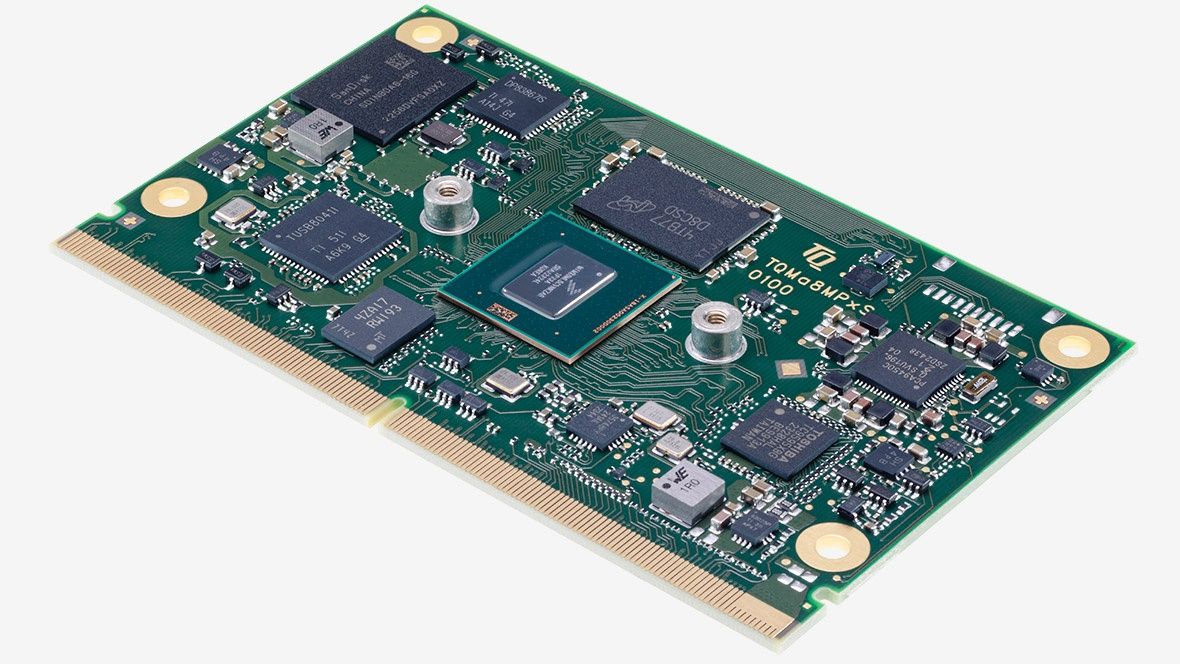
An embedded computing module is a compact unit that combines processing power, memory, and input-output interfaces into a single integrated system. It is designed to perform specific tasks within larger devices rather than functioning as a general-purpose computer. These modules are widely used in embedded computing systems where dedicated functionality is required.
The concept of embedded systems architecture emerged as electronic devices became more advanced and required efficient, task-focused computing. Instead of building complex systems from scratch, engineers began using standardized modules such as system on module designs to simplify development.
Embedded module design focuses on integrating both hardware and software in a tightly coupled structure. This allows devices to operate efficiently while maintaining reliability and low power consumption. Today, embedded processor modules are found in everyday technologies ranging from home appliances to industrial machines.
Importance
Embedded computing modules are important because they enable modern devices to operate intelligently and efficiently. Many everyday technologies rely on embedded computing systems to perform automated tasks without requiring constant human input.
These systems impact a wide range of users and environments:
- Consumers interact with embedded module applications in devices like smart appliances and vehicles
- Industries depend on embedded hardware components for automation and monitoring
- Infrastructure systems use embedded software systems for control and communication
One key benefit is that embedded systems architecture allows devices to be smaller, faster, and more energy-efficient. This is particularly useful in environments where space and power are limited.
Another important aspect is reliability. Since embedded modules are designed for specific functions, they tend to operate consistently under defined conditions. This makes them suitable for critical applications such as medical equipment and transportation systems.
Embedded Systems Architecture
Embedded systems architecture defines how different components within an embedded computing module are organized and interact with each other.
Core Components
An embedded computing module typically includes several key elements:
- Processor unit that executes instructions
- Memory components for storing data and programs
- Input-output interfaces for communication with other devices
- Power management systems to ensure efficient operation
These embedded hardware components work together to form a complete system capable of handling specific tasks.
Software Integration
Embedded software systems are closely linked with hardware. Unlike general-purpose software, they are designed to perform predefined functions with minimal resource usage.
- Firmware controls basic operations
- Real-time systems manage time-sensitive tasks
- Application code defines the module’s specific behavior
This integration is a defining feature of embedded module design.
Types of Embedded Computing Modules
Different types of embedded computing modules are developed based on performance needs and application requirements.
System on Module
A system on module integrates multiple components such as processor, memory, and connectivity into a single board.
- Simplifies development
- Reduces design complexity
- Common in industrial and consumer electronics
Single Board Computers
These are compact boards that include all necessary computing elements.
- Used in prototyping and small-scale systems
- Flexible for various embedded module applications
Microcontroller-Based Modules
These modules are designed for simple and low-power tasks.
- Suitable for basic control systems
- Widely used in household devices
Edge Computing Modules
Edge computing modules process data locally rather than relying on centralized systems.
- Reduce latency
- Improve real-time performance
- Common in IoT and automation systems
Comparison of Embedded Module Types
| Module Type | Key Feature | Typical Use Case | Complexity Level |
|---|---|---|---|
| System on Module | Integrated design | Industrial systems | Medium |
| Single Board Computer | Full computing platform | Prototyping, development | Medium to high |
| Microcontroller Module | Low power consumption | Basic control tasks | Low |
| Edge Computing Module | Local data processing | IoT and real-time systems | High |
Embedded Module Applications
Embedded module applications are found in a wide range of sectors due to their flexibility and efficiency.
Consumer Electronics
Devices such as televisions, washing machines, and smart home systems use embedded computing modules for automated operation.
Automotive Systems
Modern vehicles rely on embedded processor modules for engine control, safety features, and infotainment systems.
Industrial Automation
Factories use embedded computing systems for monitoring processes, controlling machinery, and improving productivity.
Healthcare Equipment
Medical devices use embedded software systems to ensure accurate monitoring and operation under controlled conditions.
Recent Updates
Embedded computing modules have evolved significantly with advancements in technology. One major trend is the integration of edge computing modules, which allow data processing closer to the source rather than relying on centralized systems.
There is also a growing focus on energy efficiency and compact design. New embedded module design approaches aim to reduce power consumption while maintaining performance.
Another development is the increased use of artificial intelligence within embedded computing systems. This allows devices to perform more complex tasks such as pattern recognition and predictive analysis.
Laws or Policies
Embedded computing modules are influenced by regulations related to electronics, safety, and data handling.
Safety Standards
Devices using embedded hardware components must meet safety requirements to ensure proper operation and user protection.
Data Protection
Embedded software systems that handle data must comply with data protection guidelines, especially in connected systems.
Industry Compliance
Certain sectors, such as automotive and healthcare, have specific standards that embedded module applications must follow.
These regulations help ensure reliability, security, and consistency across embedded computing systems.
Tools and Resources
Various tools and resources support the development and understanding of embedded computing modules.
Development Platforms
Integrated development environments help create and test embedded software systems.
Simulation Tools
Simulation platforms allow testing of embedded systems architecture before deployment.
Debugging Tools
Debugging tools help identify and resolve issues in embedded module design.
Documentation and Guides
Technical manuals and reference materials provide detailed explanations of embedded hardware components and system behavior.
FAQs
What is an embedded computing module?
An embedded computing module is a compact system that combines processing, memory, and interfaces to perform specific tasks within a larger device.
How does embedded systems architecture work?
Embedded systems architecture organizes hardware and software components so they can work together efficiently to perform predefined functions.
What is a system on module in embedded design?
A system on module is a compact board that integrates key computing components into a single unit, simplifying embedded module design.
Where are embedded module applications commonly used?
Embedded module applications are commonly used in consumer electronics, automotive systems, industrial automation, and healthcare devices.
What are edge computing modules?
Edge computing modules process data locally within the device, reducing the need for centralized processing and improving response time.
Conclusion
Embedded computing modules are essential components of modern technology, enabling devices to perform specific tasks efficiently. Their architecture combines hardware and software in a tightly integrated system designed for reliability and performance. From consumer electronics to industrial automation, embedded computing systems support a wide range of applications. As technology continues to evolve, these modules are becoming more advanced, compact, and capable.