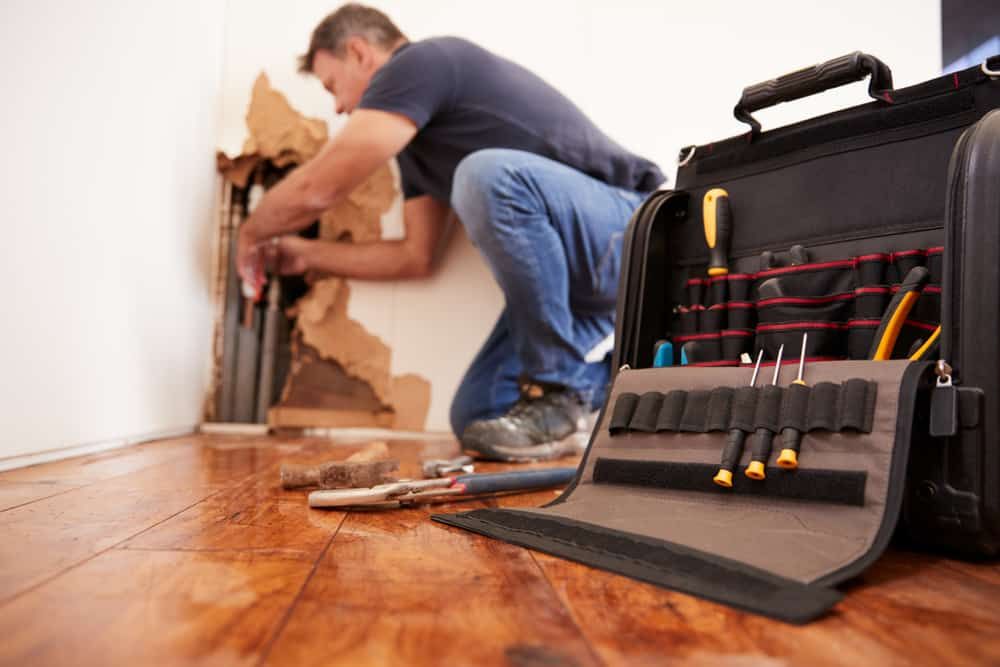
Water damage can change the condition of a property within a short period. A burst pipe, overflowing appliance, severe storm, plumbing failure, or roof leak can introduce moisture into floors, walls, ceilings, and personal belongings.
Emergency water damage restoration focuses on controlling that damage quickly while supporting a structured recovery process.
The first response often determines how far moisture spreads and how difficult the restoration becomes. Standing water can affect building materials, while hidden moisture may remain inside wall cavities, flooring systems, insulation, and other areas that are not immediately visible.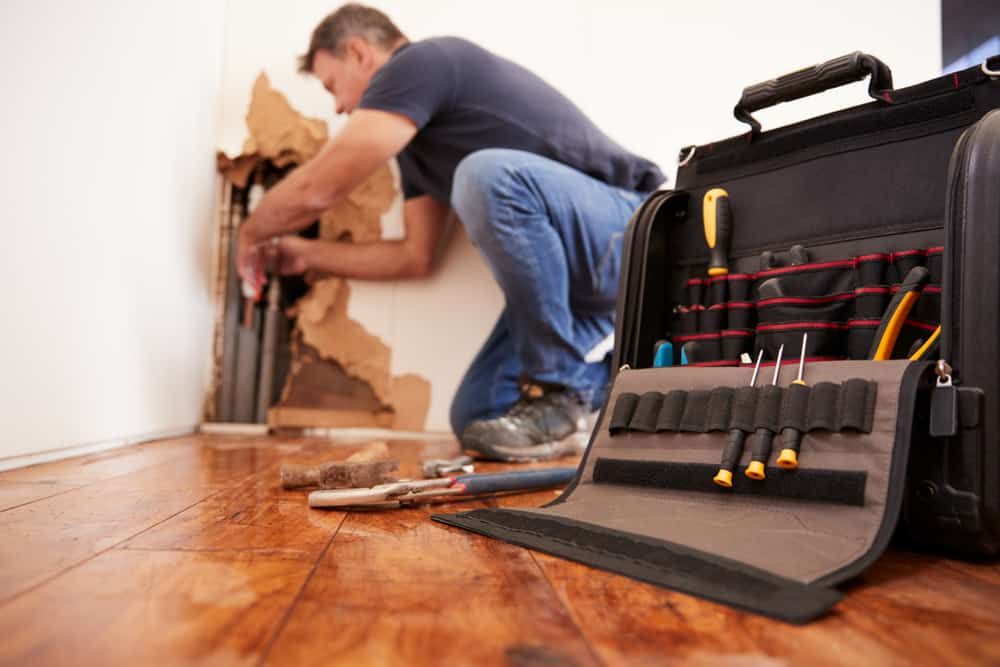
Understanding the restoration process helps property owners respond more effectively during an emergency. From immediate safety considerations and water removal to drying, inspection, cleaning, and final repairs, each stage has a specific role in returning the property to a stable condition.
The First Priorities After Water Damage
The initial response should focus on safety and controlling the source of the water. If the situation involves electrical equipment, contaminated water, structural instability, or an unknown source, occupants should avoid affected areas until they can be assessed safely.
When appropriate and safe to do so, the source of the water should be stopped. This may involve shutting off a water supply or addressing an obvious plumbing issue. However, situations involving electrical systems, sewage, or significant structural damage require qualified professionals rather than improvised repairs.
Documentation is also useful during the early stage. Photographs and notes can establish the affected areas and provide a record of visible conditions before restoration work begins.
Why Rapid Moisture Control Matters
Water does not remain where it first appears. It can migrate through flooring, drywall, insulation, wood framing, and other porous materials. The longer these materials remain wet, the greater the possibility of secondary damage.
Moisture can also create conditions that support microbial growth. Mold and other microorganisms can develop when moisture, warmth, and suitable organic materials exist together. Rapid drying therefore serves both structural and environmental purposes.
The objective is not simply to remove visible water. Effective restoration requires identifying where moisture has traveled and confirming that affected materials have reached appropriate drying conditions.
Assessing the Extent of the Damage
A detailed assessment provides the foundation for the restoration plan. Professionals typically examine the source of the water, affected rooms, building materials, visible moisture, and areas where water may have migrated behind surfaces.
Moisture detection equipment can help identify damp materials that appear dry on the surface. Depending on the situation, restoration teams may evaluate floors, walls, ceilings, cabinets, insulation, and other concealed spaces.
The condition of materials also matters. Some materials may respond well to controlled drying, while others may require removal because of contamination, deterioration, or prolonged exposure.
Water quality is another important consideration. Clean water from a controlled plumbing source presents different restoration requirements from water containing sewage, chemicals, or other contaminants.
Water Extraction and Drying
Once the affected areas have been assessed, water extraction generally becomes a central part of the restoration process. Removing standing water reduces continued absorption and allows drying activities to begin.
Extraction methods depend on the amount of water and the surfaces involved. Professional equipment may include water extraction units, pumps, air movers, and dehumidification systems.
Drying is a controlled process rather than simply circulating air through a room. Restoration professionals monitor moisture levels in materials and surrounding areas to determine whether conditions are improving.
This distinction is important because a property can appear dry while moisture remains trapped inside walls, flooring assemblies, or other concealed locations.
Drying Building Materials Correctly
Different materials respond differently to water exposure. Wood can absorb moisture and change dimension, while drywall may soften or deteriorate after prolonged saturation. Flooring materials can also react differently depending on their construction and installation.
Controlled drying helps determine which materials can remain in place and which require further attention. Monitoring should continue until moisture conditions stabilize rather than stopping when surfaces merely feel dry.
Environmental conditions also influence drying. Temperature, air movement, humidity, and material characteristics all affect how quickly moisture leaves a structure.
A systematic approach reduces the likelihood of leaving hidden moisture behind.
Cleaning and Addressing Contamination
Water damage restoration may involve more than drying. Cleaning requirements depend heavily on the source and quality of the water.
Water from a clean supply line may require relatively straightforward cleaning, while floodwater or sewage-related incidents can introduce microorganisms, chemicals, and debris. Such situations require more careful containment and professional handling.
Affected surfaces may need cleaning, disinfection, or removal depending on their condition. Porous materials that have absorbed contaminated water may not be suitable for restoration.
Cleaning should also consider personal belongings and furnishings. Items should be assessed individually because materials such as textiles, wood, paper, and electronics have different restoration requirements.
Preventing Secondary Property Damage
Restoration is not complete when standing water disappears. Secondary damage can develop if moisture remains or if affected materials are not properly evaluated.
Common areas requiring continued attention include:
- Wall cavities and insulation
- Flooring and subfloor assemblies
- Cabinets and built-in fixtures
- Ceilings and roof-related areas
- Wood framing and structural components
- HVAC-related spaces and equipment
Monitoring these areas can help identify problems before they become more extensive.
Ventilation and humidity management are also important during recovery. Maintaining appropriate environmental conditions supports drying and helps prevent persistent moisture from affecting unaffected parts of the property.
When Professional Restoration Is Necessary
Some water damage situations are too complex or hazardous for ordinary household cleanup. Professional assistance is particularly relevant when the affected area is extensive, water has entered concealed spaces, contamination is suspected, or structural materials have been significantly affected.
Professional restoration teams can combine moisture inspection, extraction, drying, cleaning, and documentation into a coordinated process. Their equipment can also help identify moisture that may not be detectable through visual inspection alone.
Electrical hazards require particular caution. Water and electricity create a potentially dangerous combination, so affected electrical systems should be evaluated by qualified personnel rather than tested or handled casually.
Coordinating Repairs After Drying
Restoration and rebuilding are related but distinct stages. Once moisture has been controlled and affected materials have been assessed, remaining repairs can be planned more accurately.
Depending on the incident, repairs may involve replacing damaged drywall, flooring, insulation, cabinetry, trim, or other components. Structural issues should be addressed before cosmetic finishes are restored.
Completing repairs too early can create problems if moisture remains underneath new materials. Proper drying verification should therefore precede rebuilding whenever significant water exposure has occurred.
Reducing the Risk of Future Water Damage
A restoration event can also reveal weaknesses within a property's water management system. Once recovery is complete, identifying the original cause can help reduce the likelihood of another incident.
Useful preventive measures may include inspecting plumbing connections, monitoring older appliances, maintaining roof drainage systems, checking seals around vulnerable areas, and understanding where the property's main water shutoff is located.
For properties in areas exposed to severe weather, drainage and flood-prevention measures may also deserve attention. Prevention cannot eliminate every risk, but early detection and preparation can limit the extent of future damage.
Conclusion
Emergency water damage restoration works best as a coordinated process that begins with safety and source control and continues through assessment, extraction, drying, cleaning, monitoring, and repair. Treating visible water is only one part of recovery; concealed moisture and affected materials also require careful evaluation.
A structured response can help limit secondary damage and provide a clearer path toward restoring the property. Understanding the stages involved allows property owners to respond more calmly and recognize when professional assessment is necessary.