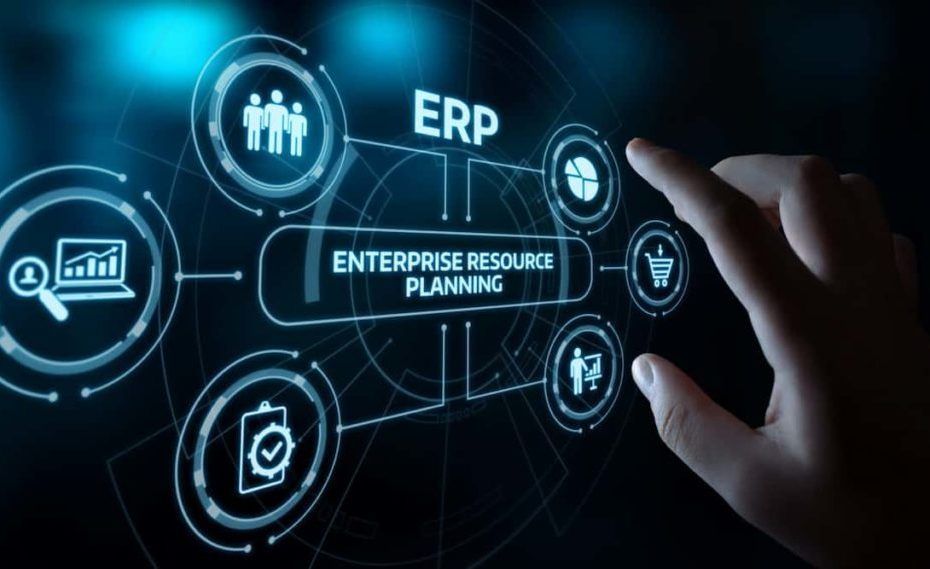
Enterprise Resource Planning (ERP) is a type of software system that helps businesses manage and integrate their core operations such as finance, procurement, human resources, supply chain, and manufacturing into a unified system.
ERP systems were developed to solve a major challenge: disconnected processes across departments. Before ERP systems, businesses used separate tools for accounting, sales, inventory, and HR. This caused inefficiencies, data errors, and delays. ERP solutions bring these processes into a single digital environment, making it easier to access accurate data and make better decisions.
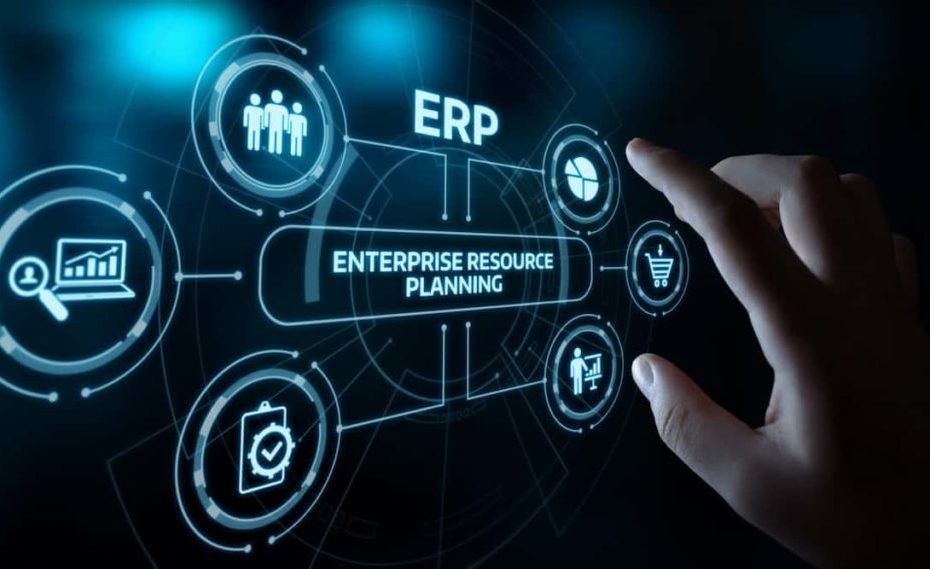
While ERP was originally used by large manufacturing companies in the 1990s, the technology has evolved. Today, ERP systems are used by organizations of all sizes and across various industries, including healthcare, retail, education, logistics, and government.
Why ERP Matters Today
ERP systems are no longer optional for companies seeking efficiency and growth in today’s fast-paced, digital-first economy. Here’s why they matter now more than ever:
Who It Affects
-
Small businesses: to manage inventory and payroll efficiently
-
Medium-sized enterprises: to support growth and standardize processes
-
Large corporations: to handle complex supply chains and global operations
-
Nonprofits and public sectors: for transparent reporting and compliance
Key Benefits
-
Streamlined operations: ERP connects functions like sales, accounting, and HR
-
Improved decision-making: real-time data leads to faster, more informed decisions
-
Regulatory compliance: automated reporting helps businesses meet local laws
-
Cost efficiency: reduces duplication of efforts and data entry errors
-
Scalability: can grow with your business across locations and markets
Problems It Solves
-
Manual and redundant processes
-
Disconnected departmental data
-
Poor forecasting and reporting
-
High error rates in transactions
-
Difficulty in tracking operations across multiple locations
ERP Trends and Updates in 2024–2025
Recent years have seen major changes in the ERP landscape, driven by digital transformation, cloud computing, and AI integration. Some of the latest developments include:
Cloud-Based ERP
More businesses are moving to cloud ERP platforms like SAP S/4HANA Cloud, Oracle NetSuite, and Microsoft Dynamics 365. These systems are easier to scale and update, with reduced upfront costs.
AI and Automation
ERP systems are increasingly incorporating AI and machine learning to automate workflows, detect anomalies in data, and improve forecasting.
Modular and Industry-Specific Solutions
Instead of one-size-fits-all systems, vendors now offer modular ERP platforms tailored to industries such as retail, manufacturing, healthcare, and education.
Mobile and Remote Access
The need for remote work solutions has led to ERP apps and mobile dashboards, enabling users to access reports and tools on the go.
Sustainability Tracking
Modern ERP systems now help businesses track carbon footprints, energy usage, and waste management to meet environmental compliance and sustainability goals.
Legal and Regulatory Impact on ERP
ERP systems are heavily influenced by regional and industry-specific laws. Businesses must ensure that their systems support compliance in the following areas:
Data Protection Laws
-
GDPR (Europe) and CCPA (California) affect how ERP systems handle personal data
-
Cloud-based ERP vendors must ensure secure data storage and encryption
Tax Compliance
ERP systems must automatically calculate local and international taxes and generate proper tax filings.
Industry Regulations
-
HIPAA compliance for healthcare-related ERPs in the U.S.
-
SOX (Sarbanes-Oxley Act) requirements for financial transparency
-
GST compliance for businesses operating in India
Government Programs
Many governments provide subsidies or tax benefits for digital transformation initiatives, including ERP adoption. For example, the India Digital MSME Scheme supports cloud-based ERP implementation for small businesses.
Helpful Tools and Resources
Here’s a list of tools and platforms that support ERP implementation, training, and planning:
ERP Platforms
-
SAP S/4HANA – Enterprise-grade ERP with AI and analytics
-
Oracle NetSuite – Popular for midsize businesses with global operations
-
Microsoft Dynamics 365 – Integrates with other Microsoft products
-
Odoo – Open-source ERP for small businesses
Planning and Comparison Tools
-
Software Advice ERP Finder – Helps compare ERP options
-
Capterra ERP Reviews – User-based reviews for ERP systems
-
ERP Focus – News, insights, and buyer’s guides
Implementation Templates
-
ERP Implementation Checklist (available on Microsoft and SAP websites)
-
Training manuals and online certification courses (Coursera, Udemy, SAP Learning)
FAQs About ERP Solutions
What does ERP stand for and what does it do?
ERP stands for Enterprise Resource Planning. It integrates core business functions like accounting, HR, inventory, and sales into a single software system for better data accuracy and workflow efficiency.
Is ERP only for large companies?
No. ERP systems are now modular and scalable, making them accessible and affordable for small and medium-sized businesses.
How long does it take to implement an ERP system?
Implementation can take anywhere from 3 months to over a year, depending on company size, complexity, and customization needs.
Is cloud ERP safe for sensitive business data?
Yes, leading cloud ERP providers follow strict security protocols, including encryption, multi-factor authentication, and compliance with global data protection laws.
Can ERP systems be customized for specific industries?
Yes. Most modern ERP vendors offer industry-specific modules such as manufacturing control, school management, or healthcare compliance.
Final Thoughts
ERP solutions are no longer tools reserved for large enterprises they are essential platforms that help businesses of all sizes operate more efficiently, remain competitive, and meet regulatory requirements. With cloud options, AI features, and flexible pricing, ERP adoption continues to grow across industries in 2025.
For any business looking to unify operations and improve decision-making, exploring ERP systems is not just an option it’s a smart step toward sustainable growth.