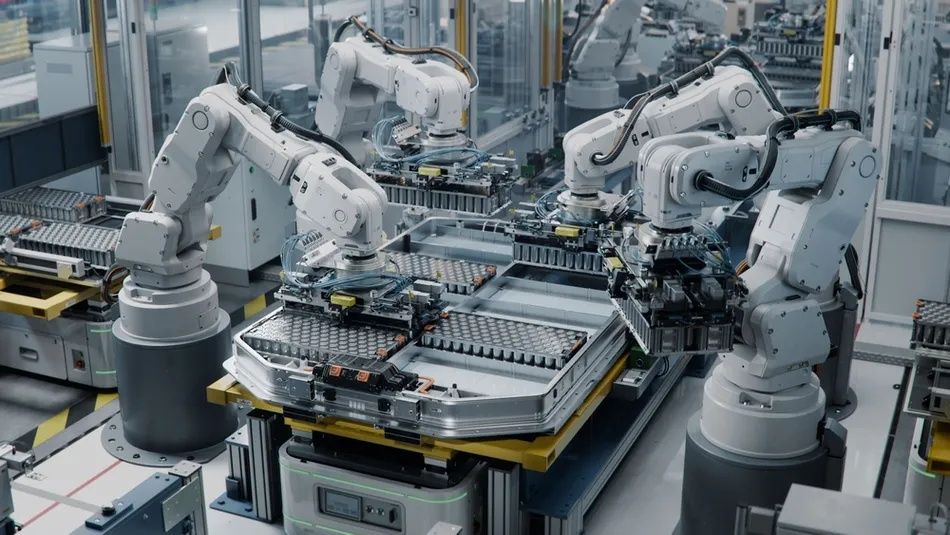
EV factory robotics and automation refers to the use of robotic systems, automated machinery, and digital control platforms inside electric vehicle manufacturing facilities. These technologies manage tasks such as body assembly, battery handling, welding, painting, material movement, and quality inspection.
They exist because electric vehicle production requires high precision, repeatability, and consistent output at scale. Manual processes alone cannot meet the speed and accuracy needed for modern EV manufacturing. Robotics and automation help factories maintain uniform quality while handling complex components like battery packs and power electronics.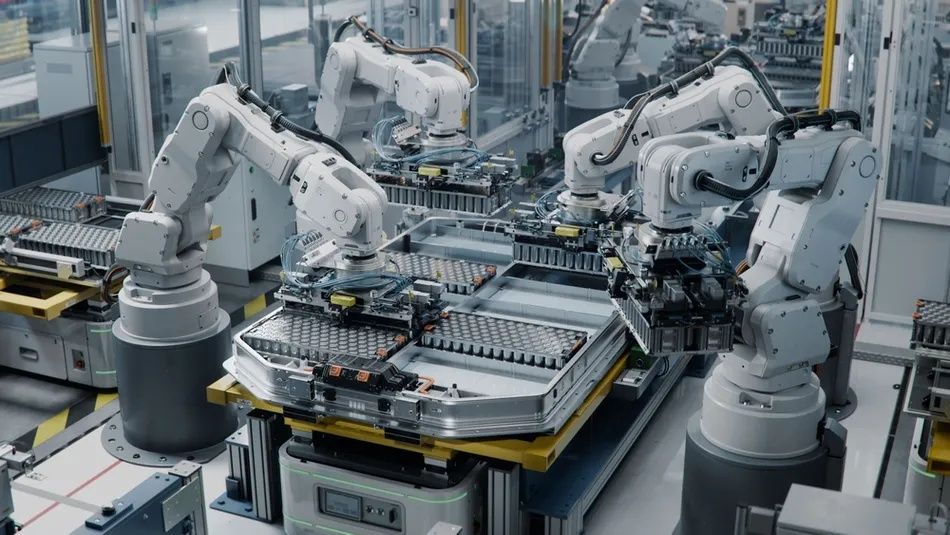
In an EV production environment, automation connects mechanical equipment with software systems. Robots perform physical tasks, while automation platforms coordinate workflows, monitor performance, and manage data. Together, they form integrated EV factory automation systems that support continuous production.
As electric vehicle demand grows globally, robotics has become a foundational element of EV manufacturing infrastructure.
Importance: Why EV Factory Robotics Matters for Modern Vehicle Production
EV factory robotics impacts vehicle manufacturers, supply-chain operators, engineers, and infrastructure planners. These systems directly influence production efficiency, workplace safety, and product consistency.
Key reasons EV factory robotics and automation are important include:
-
Precision manufacturing: Robotic arms deliver consistent welds, cuts, and placements.
-
Battery safety handling: Automated systems manage heavy and sensitive battery modules.
-
Production scalability: Automated EV production lines expand capacity without redesigning entire facilities.
-
Quality stability: Vision systems and robotic inspection detect defects early.
-
Operational continuity: Automation reduces process variation and workflow disruption.
Electric vehicle factories rely on industrial robotics for tasks that require micron-level accuracy and repeatable motion. Without automation, maintaining consistent EV assembly quality across large production volumes becomes difficult.
Robotics also supports structured material movement, ensuring parts arrive at the correct station at the correct time. This synchronization is essential for EV factory automation.
Recent Updates: Trends in Electric Vehicle Manufacturing Automation
Recent developments in EV factory robotics focus on flexibility, digital integration, and production optimization rather than purely mechanical upgrades.
Key trends observed across EV manufacturing environments include:
-
Collaborative robotics: Robots increasingly work alongside humans in shared production zones.
-
Smart conveyor systems: Automated material flow improves battery and chassis transport.
-
Digital twins: Virtual factory models simulate robotic workflows before physical deployment.
-
Vision-guided robotics: Cameras guide robots for real-time positioning and inspection.
-
AI-supported scheduling: Software platforms dynamically adjust production sequences.
These changes allow EV factories to adapt quickly to new vehicle models and component designs while maintaining operational stability.
EV automation platforms now integrate robotics, sensors, and analytics into unified control architectures, supporting data-driven manufacturing decisions.
Laws or Policies: Regulatory Influence on EV Factory Automation
EV factory robotics operates within industrial safety, environmental, and manufacturing compliance frameworks. These regulations vary by region but share common objectives: worker safety, energy efficiency, and responsible production.
Typical regulatory areas affecting EV automation include:
-
Industrial machinery safety standards: Requirements for guarding, emergency stops, and operator protection.
-
Electrical and automation compliance: Guidelines governing programmable control systems.
-
Environmental manufacturing regulations: Rules covering emissions, waste handling, and energy usage.
-
National EV manufacturing programs: Government initiatives promoting automated clean mobility infrastructure.
Factories deploying robotics must align automation systems with workplace safety rules and technical certification requirements. These policies influence robot layout, operational procedures, and monitoring systems.
Tools and Resources: References Used in EV Robotics Planning
EV factory robotics relies on several analytical and planning tools that support system design and operational evaluation.
Commonly used resources include:
-
Robotic simulation software for testing assembly workflows
-
Production line layout planners for station optimization
-
Battery handling models for automated pack movement
-
Factory analytics dashboards for monitoring throughput
-
Industrial automation standards documentation for system configuration
These tools help engineers understand production constraints and optimize robotic deployment across EV assembly lines.
Core Areas of EV Factory Robotics Deployment
Robotics in EV factories supports multiple production stages:
| Automation Area | Primary Function | Operational Benefit |
|---|---|---|
| Body assembly | Structural joining | Dimensional accuracy |
| Battery module handling | Pack positioning | Safety and consistency |
| Paint automation | Surface coating | Uniform finish |
| Final assembly | Component integration | Workflow reliability |
| Quality inspection | Vision-based checking | Early defect detection |
Each area requires specialized robotic configurations aligned with material properties and production flow.
Process Flow: How Automation Supports EV Manufacturing
EV factory automation typically follows a structured production sequence:
| Stage | Automated Activity | Purpose |
|---|---|---|
| Material intake | Robotic unloading | Controlled supply flow |
| Body framing | Robotic welding | Structural alignment |
| Battery installation | Automated placement | Electrical integration |
| Interior assembly | Robotic fitting | Component consistency |
| Final inspection | Vision scanning | Quality verification |
This process flow demonstrates how robotics coordinates physical assembly with digital control.
FAQs: Common Questions About EV Factory Robotics
What is EV factory robotics?
EV factory robotics refers to robotic systems and automation platforms used to manufacture electric vehicles efficiently and consistently.
How does automation help battery production?
Robots handle battery modules precisely, reducing manual contact and improving safety during installation.
Are humans still involved in EV factories?
Yes. Humans supervise systems, manage complex tasks, and perform quality oversight alongside robotic operations.
What makes EV automation different from traditional auto manufacturing?
EV automation places greater emphasis on battery handling, electronic integration, and modular assembly.
Can EV factories adapt quickly to new models?
Modern robotic automation allows production lines to be reconfigured through software changes rather than mechanical rebuilding.
Conclusion: The Role of Robotics in the EV Manufacturing Ecosystem
EV factory robotics and automation form the backbone of modern electric vehicle production. By enabling precise assembly, structured workflows, and scalable manufacturing, these systems support consistent vehicle quality and operational efficiency.
As EV platforms evolve, robotics continues to adapt through digital integration, collaborative operation, and advanced control systems. Understanding EV factory automation provides insight into how electric vehicles move from concept to production-ready reality.