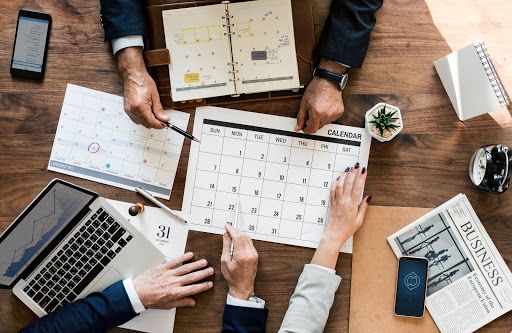
Planning an event can be a complex but rewarding process. Whether you're organizing a small private gathering or a large-scale corporate conference, having a clear structure and strategy makes all the difference. This guide explores the foundational elements of event planning, why it’s more relevant than ever, recent industry trends, legal aspects, and tools to help streamline the planning process.
Event planning involves coordinating all aspects of an event be it social, corporate, educational, or entertainment-based. The process typically includes budgeting, venue selection, scheduling, logistics, guest management, marketing, and risk mitigation. Event planning exists to bring people together for shared experiences whether for celebration, learning, networking, or entertainment.
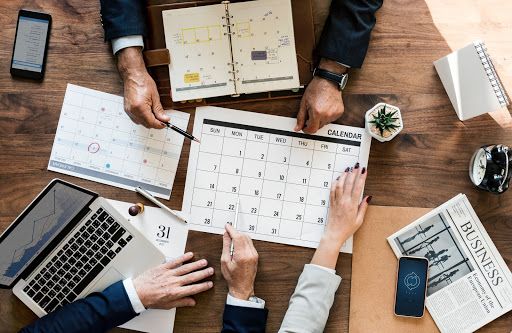
Events can range from weddings and fundraisers to exhibitions, product launches, and virtual conferences. Regardless of scale, the goal is to ensure a smooth flow of activities and a positive experience for all attendees.
Why Event Planning Matters Today
Events serve many purposes from driving business goals to fostering community engagement. In today’s fast-paced world, the demand for well-executed events is growing across sectors. Here’s why event planning continues to be vital:
-
Businesses: Events help brands build awareness, generate leads, and strengthen relationships.
-
Individuals: Weddings, birthdays, and anniversaries require careful planning to create lasting memories.
-
Nonprofits: Fundraisers and awareness campaigns depend on effective event execution.
-
Education and Training: Conferences, workshops, and seminars require precise coordination.
Poor planning can lead to financial losses, safety concerns, or missed opportunities. With tighter budgets and increasing expectations, there's a growing need for detail-oriented, tech-savvy planners who can deliver results.
Current Trends and Industry Developments
Over the past year, several key trends have shaped the event planning landscape. Planners are now navigating a hybrid world that combines in-person and digital experiences.
Notable trends (as of 2024–2025):
| Trend | Description |
|---|---|
| Hybrid and Virtual Events | Tech platforms like Zoom, Hopin, and Microsoft Teams are integral. |
| Sustainability Focus | Eco-friendly events with waste reduction and carbon offsetting practices. |
| Personalization | Custom experiences based on guest preferences and data insights. |
| AI and Automation | Chatbots for registration, AI-generated agendas, and automated scheduling. |
| Data-Driven Decision Making | Use of analytics tools to assess event performance and ROI. |
Regulations and Legal Considerations
Event planning is often influenced by local laws, health regulations, and licensing requirements. These rules vary by country and type of event.
Key considerations include:
-
Permits and Licenses: For public gatherings, food service, alcohol distribution, or amplified music.
-
Health and Safety: Post-COVID protocols may still be required in some regions (e.g., sanitization, crowd control).
-
Insurance: Liability insurance protects against property damage or injuries during the event.
-
Accessibility Laws: Events must comply with accessibility standards (like ADA in the U.S. or RPWD Act in India).
For example, in the UK, public events may require a Temporary Event Notice (TEN). In the U.S., different states have varying requirements, especially for events involving alcohol or large crowds.
Being aware of the legal framework ensures that your event runs smoothly and avoids potential fines or shutdowns.
Practical Tools and Resources for Event Planning
Event planners now have access to a wide range of tools that simplify and enhance the planning process. Here’s a categorized list of helpful resources:
Event Management Platforms:
-
Eventbrite – For ticketing, promotion, and RSVP management.
-
Cvent – Comprehensive tool for corporate and large-scale events.
-
Bizzabo – Hybrid and virtual event technology platform.
-
Whova – For agendas, networking, and attendee engagement.
Budgeting and Checklists:
-
Google Sheets or Excel – Customizable budget templates.
-
Trello / Asana – Task assignment and workflow tracking.
-
Social Tables – For seating arrangements and venue layouts.
Promotion and Communication:
-
Canva – For event flyers, social media graphics, and signage.
-
Mailchimp – Email marketing for event invitations and reminders.
-
Meta Events Manager (Facebook) – Event promotion through ads.
Legal and Compliance:
-
Rocket Lawyer – Template contracts and liability waivers.
-
Local government websites – Permit and regulation guidelines.
Using these tools can save time, reduce errors, and improve attendee experience through better organization and communication.
Frequently Asked Questions
1. How early should I start planning an event?
Ideally, start 3–6 months in advance for large events and at least 4–6 weeks for smaller ones. Early planning gives room for vendor booking, promotions, and contingency management.
2. What’s the difference between event planning and event management?
Event planning refers to the pre-event coordination—concept development, budgeting, and logistics. Event management involves on-the-day execution and overseeing real-time operations.
3. Do I need a license to host a private event?
It depends on the location and nature of the event. Private gatherings at home may not require permits, but events with alcohol, large crowds, or music in public venues often do.
4. How much does it cost to plan a small event?
Costs vary widely. For a small 50-person gathering, expenses can range from $500 to $5,000 depending on venue, catering, and entertainment.
5. What are the risks in event planning?
Common risks include vendor cancellations, weather disruptions (for outdoor events), safety issues, technical failures, or low attendance. Risk mitigation includes contracts, insurance, and backup plans.
Conclusion
Event planning is both an art and a science, combining creativity with logistical precision. Whether organizing a birthday, a seminar, or a corporate launch, understanding the basics alongside staying updated with trends, legal requirements, and tools can dramatically increase the chances of success.
With a growing emphasis on hybrid formats, sustainability, and personalized experiences, the event industry is evolving rapidly. By leveraging modern tools and being legally compliant, planners can create impactful, memorable, and efficient events.
For beginners and professionals alike, staying informed and organized is the cornerstone of effective event planning.