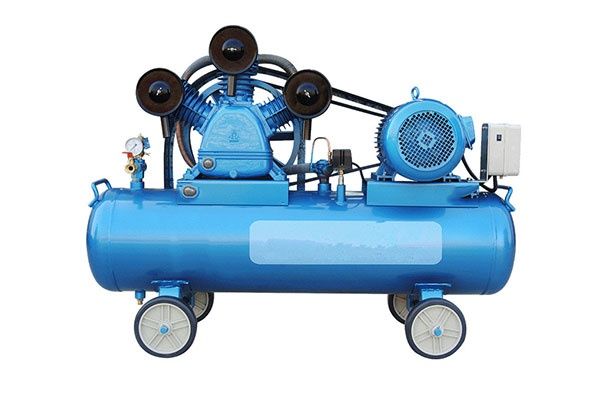
Air compressors are machines that convert power into compressed air, which can then be used to perform different kinds of work. This concept developed during early industrial growth, when there was a need for reliable mechanical power that could be stored and used when required. Over time, air compressors became a practical solution for powering tools and equipment without relying entirely on direct electrical systems.
Today, air compressors are found in both simple and complex environments. From small household tools to large manufacturing systems, their role continues to expand. Understanding how air compressors work, along with the different types of air compressors, helps explain their importance in everyday tasks and industrial processes. These machines store energy in compressed air and release it in a controlled way, making them adaptable for various air compressor applications.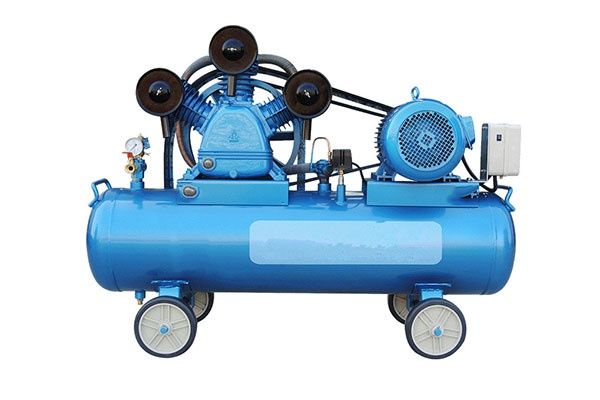
Importance
Air compressors are important because they provide a consistent and flexible source of energy for many activities. Instead of depending only on electricity, compressed air systems can operate tools and equipment in a controlled and efficient manner.
For individuals, portable air compressors make everyday tasks easier, such as inflating tires or cleaning surfaces. For businesses and industries, industrial air compressors support continuous operations and reduce manual effort. The wide range of uses of air compressors means they are relevant to homeowners, mechanics, technicians, and large-scale manufacturers.
Another important aspect is safety and efficiency. In certain environments, compressed air tools reduce the risk associated with electrical sparks. Air compressor functions also allow for precise control, which is useful in tasks that require consistent pressure and accuracy.
Types of Air Compressors
Different types of air compressors are designed to meet specific needs based on how they compress and deliver air.
Reciprocating Compressors
Reciprocating compressors use a piston mechanism to compress air within a cylinder. These are commonly used in portable air compressors and smaller setups.
- Suitable for short-duration or intermittent tasks
- Often used in home garages and small workshops
Rotary Screw Compressors
Rotary screw compressors use two rotating screws to compress air continuously. They are widely used in industrial air compressors.
- Provide steady airflow for long periods
- Suitable for manufacturing and heavy-duty operations
Centrifugal Compressors
Centrifugal compressors use high-speed rotating components to increase air pressure.
- Used in large air compressor applications
- Suitable for high-volume airflow systems
Axial Compressors
Axial compressors compress air in stages as it flows along a rotating shaft.
- Found in specialized industrial environments
- Designed for very large airflow requirements
How Air Compressors Work
Understanding how air compressors work helps simplify their overall function.
Basic Working Process
Air compressor functions generally follow three main steps:
- Intake, where air is drawn into the compressor
- Compression, where the air is pressurized using mechanical components
- Storage, where compressed air is held in a tank until needed
When the compressed air is released, it expands and generates energy that can power tools or equipment.
Key Components
Air compressors include several essential parts that support their operation:
- Motor or engine that powers the system
- Compression unit such as a piston or screw mechanism
- Storage tank for holding compressed air
- Pressure control system to regulate airflow
- Cooling system to manage heat generated during compression
These components work together to ensure that air compressor applications run smoothly across different environments.
Uses of Air Compressors
The uses of air compressors vary widely depending on the setting and requirements.
Household Applications
Portable air compressors are commonly used in homes for simple tasks:
- Inflating vehicle and bicycle tires
- Cleaning dust from electronics or corners
- Operating small tools like airbrushes
Automotive Applications
Air compressor functions are widely used in vehicle maintenance and repair:
- Powering pneumatic tools
- Spray painting surfaces
- Cleaning mechanical parts
Industrial Applications
Industrial air compressors are essential in large-scale operations:
- Running assembly lines
- Operating heavy machinery
- Supporting packaging and production systems
Specialized Applications
Some air compressor applications are found in controlled environments:
- Medical and dental equipment
- Laboratory instruments
- Air circulation systems
Comparison of Air Compressor Types
| Type | Working Method | Common Application | Usage Pattern |
|---|---|---|---|
| Reciprocating | Piston-based | Household and workshops | Intermittent |
| Rotary Screw | Rotating screws | Industrial operations | Continuous |
| Centrifugal | High-speed rotation | Large systems | High-volume |
| Axial | Multi-stage airflow | Specialized industries | Continuous |
Recent Updates
Recent trends in air compressors focus on improving efficiency, reducing noise, and enhancing control systems. Many modern air compressors now include digital monitoring features that allow users to track pressure levels, temperature, and performance.
Energy efficiency is also becoming more important. Industrial air compressors are increasingly designed to adjust their output based on demand, which helps reduce unnecessary energy use. Portable air compressors are also evolving, with lighter designs and improved portability making them more convenient for everyday use.
Another noticeable trend is the integration of smart technology. Some systems now allow remote monitoring and control, which improves maintenance planning and overall system management.
Laws or Policies
Air compressors are influenced by safety and environmental regulations, especially in industrial settings. In India, guidelines related to pressure equipment and workplace safety play an important role in how these machines are used.
Safety Regulations
- Equipment must meet standards for handling pressurized air
- Regular inspection is required to maintain safe operation
- Operators may need proper training for industrial air compressors
Environmental Considerations
- Noise levels are regulated in residential and industrial zones
- Energy efficiency guidelines may apply to larger systems
- Emission-related rules affect engine-driven compressors
Workplace Guidelines
- Proper ventilation is necessary in enclosed spaces
- Protective measures are required during operation
- Maintenance practices must follow safety standards
These regulations help ensure that air compressor applications are used responsibly and safely.
Tools and Resources
There are several tools and resources that help users understand and manage air compressors effectively.
Calculators and Planning Tools
- Airflow calculators to estimate required capacity
- Pressure conversion tools for matching equipment needs
Monitoring Systems
- Sensors to track pressure and temperature
- Digital dashboards for performance analysis
Educational Materials
- Online guides explaining types of air compressors
- Manuals that describe air compressor functions and usage
Maintenance Support
- Checklists for regular inspection
- Schedules for preventive maintenance
These resources make it easier to handle different uses of air compressors with clarity and confidence.
FAQs
What are the main types of air compressors?
The main types of air compressors include reciprocating, rotary screw, centrifugal, and axial compressors. Each type is designed for different air compressor applications.
How air compressors work in simple terms?
Air compressors work by drawing in air, compressing it to increase pressure, and storing it for later use. The compressed air is then released to perform various tasks.
What are common uses of air compressors?
Common uses of air compressors include inflating tires, powering tools, cleaning surfaces, and supporting industrial processes.
Are portable air compressors suitable for home use?
Portable air compressors are suitable for household tasks such as inflation, cleaning, and operating small tools due to their compact design.
Where are industrial air compressors used?
Industrial air compressors are used in factories, production units, and large-scale systems where continuous airflow is required.
Conclusion
Air compressors are widely used machines that convert power into compressed air for practical applications. Different types of air compressors serve specific purposes based on their design and capacity. Understanding how air compressors work and their various uses helps explain their importance in both daily life and industrial environments. Their adaptability continues to support a wide range of tasks across different sectors.