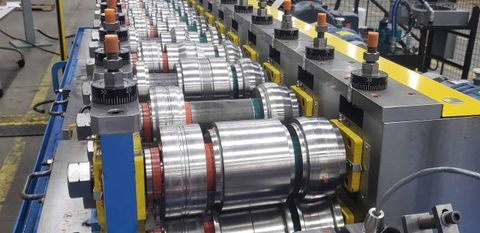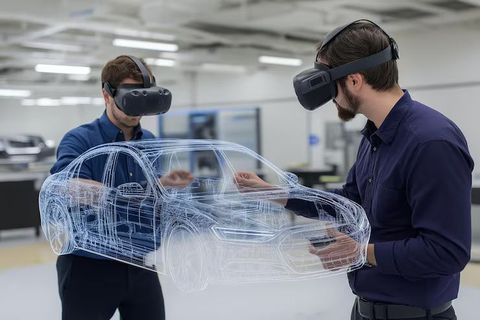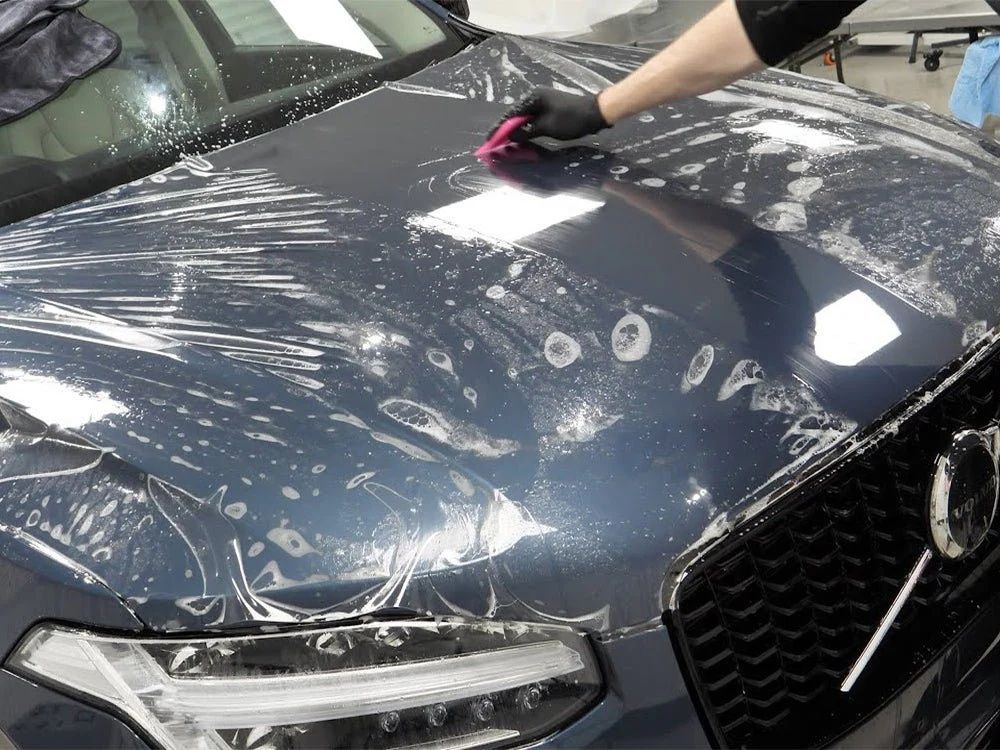
Paint Protection Film (PPF) is a transparent protective layer applied over a vehicle’s painted surfaces to reduce damage from everyday environmental exposure. It was originally developed for military applications to protect helicopter blades from debris and erosion. Over time, this technology evolved and found relevance in automotive protection due to its durability and optical clarity.
Car PPF exists to act as a physical barrier between the vehicle’s paint and external elements such as road debris, minor abrasions, UV radiation, and environmental pollutants. Unlike cosmetic coatings, PPF is a thermoplastic polyurethane film designed to absorb impact energy and resist surface wear.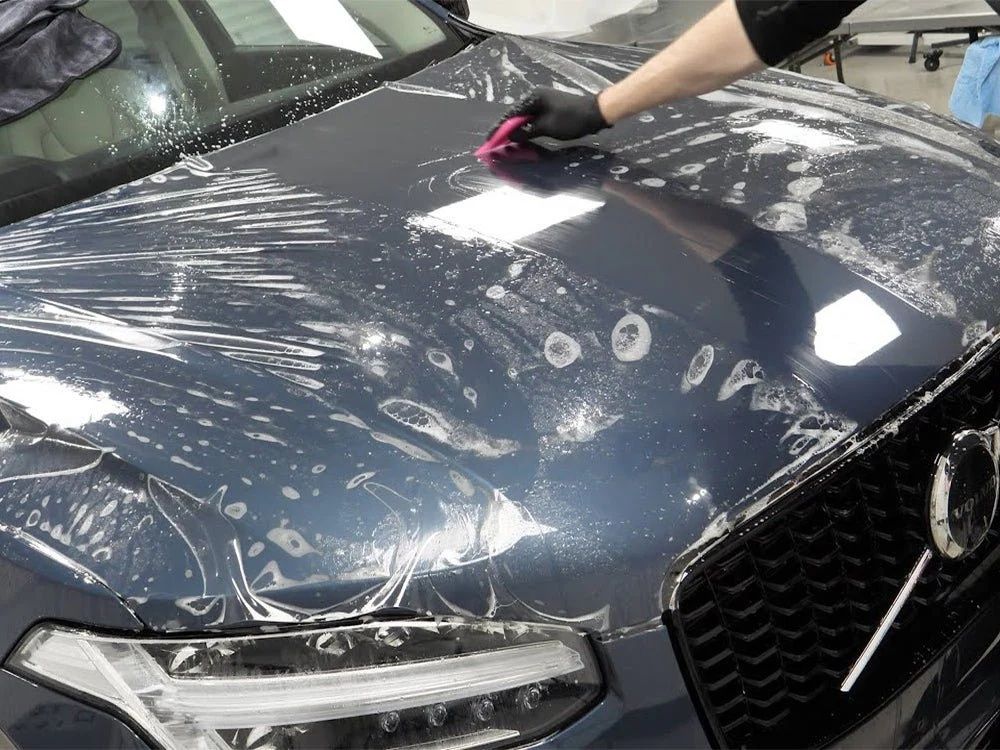
As vehicle finishes have become more advanced and visually refined, the need to preserve factory paint quality has grown. PPF addresses this requirement by offering a long-term protective layer without altering the vehicle’s appearance.
Why Car PPF Matters Today
Modern vehicles are exposed to increasingly challenging road and environmental conditions. Urban traffic density, highway driving, airborne dust, stone chips, and climatic variation all contribute to gradual paint degradation. Car PPF has gained relevance as vehicle owners place higher importance on long-term exterior preservation.
This topic matters today because:
-
Automotive paint systems are thinner and more complex than older generations
-
Road infrastructure expansion increases exposure to loose gravel and debris
-
Environmental factors like UV radiation and acid rain affect paint durability
-
Vehicle resale evaluation often considers exterior paint condition
-
Electric and premium vehicles rely heavily on aesthetic integrity
Car PPF affects private vehicle owners, fleet managers, automotive researchers, and detailing professionals. It helps reduce micro-scratches, surface dullness, and premature paint aging. By protecting original paint layers, PPF supports long-term surface consistency and reduces the need for corrective repainting.
How Car PPF Works and What It Is Made Of
Car PPF is typically composed of multiple layers, each designed for a specific function.
-
A clear coat layer that resists stains and discoloration
-
A polyurethane core that absorbs impact and resists tearing
-
An adhesive layer that bonds securely without harming paint
-
A release liner removed during installation
Some advanced films include self-healing properties, where light scratches disappear when exposed to heat from sunlight or warm water. The film conforms to vehicle contours and remains nearly invisible once properly applied.
Table: Common Areas of Vehicle Coverage
| Vehicle Area | Reason for Protection |
|---|---|
| Front bumper | High exposure to stone chips |
| Hood & fenders | Impact from debris and insects |
| Side mirrors | Frequent contact with road particles |
| Door edges | Risk from opening and closing |
| Rocker panels | Debris thrown by rotating tires |
Recent Updates and Industry Trends
Over the past year, car PPF technology has continued to evolve, driven by material science and automotive finish requirements.
Key developments observed during 2024–2025 include:
-
Wider adoption of enhanced self-healing film layers
-
Improved resistance to yellowing under prolonged UV exposure
-
Growth of matte-finish and satin-compatible protection films
-
Increased precision through digital cutting software integration
-
Thinner films with equal or improved impact resistance
-
Greater focus on eco-conscious manufacturing materials
These updates indicate a shift toward longevity, clarity, and environmental awareness. Manufacturers are also aligning PPF designs with modern vehicle aerodynamics and complex surface geometries.
Regulations, Guidelines, and Policy Awareness
Car PPF is generally categorized as a surface protection accessory rather than a structural modification. However, its usage must align with vehicle appearance and road compliance guidelines.
Common regulatory considerations include:
-
The film must remain transparent and non-reflective
-
It should not obstruct license plates, lights, or indicators
-
Color-altering or mirrored films may fall under local restrictions
-
Windshield-grade protection films are subject to visibility norms
-
Modifications must not affect vehicle identification markings
In countries such as India, surface films are evaluated under general motor vehicle rules relating to visibility and safety. PPF applied on painted panels is typically acceptable, provided it does not change the vehicle’s registered appearance or interfere with safety equipment.
Types of Car PPF and Their Characteristics
Different PPF variants exist to match vehicle usage patterns and environmental exposure.
Common PPF types explained
-
Gloss PPF
Maintains original paint shine and clarity -
Matte PPF
Preserves factory matte finishes without gloss alteration -
Self-Healing PPF
Reduces appearance of light scratches under heat -
Hydrophobic PPF
Repels water, dust, and contaminants -
High-Impact PPF
Designed for vehicles driven on highways or rough roads
Table: PPF vs Traditional Wax or Sealant
| Aspect | Paint Protection Film | Wax / Sealant |
|---|---|---|
| Thickness | Multi-layer physical barrier | Thin surface layer |
| Impact resistance | High | Minimal |
| Longevity | Long-term | Short-term |
| Scratch resistance | Strong | Limited |
| UV protection | Consistent | Temporary |
Tools and Resources Related to Car PPF
Understanding and maintaining PPF involves several technical tools and learning resources.
Helpful tools and references include:
-
Digital pattern design software for precise film cutting
-
Vehicle surface measurement templates
-
Paint thickness gauges for baseline assessment
-
Maintenance guides for film-safe cleaning
-
Environmental exposure charts (UV index, pollution levels)
-
Automotive surface care documentation
-
Inspection checklists for edge and surface condition
These resources support informed decision-making, quality evaluation, and long-term surface care.
Key Facts and Practical Insights
-
PPF does not alter factory paint composition
-
Film removal does not damage original paint when done correctly
-
Proper surface preparation affects long-term adhesion
-
PPF can be applied selectively or across entire panels
-
Maintenance involves gentle washing and inspection
-
Film clarity depends on material quality and environment
PPF functions best as a preventive layer rather than a corrective solution.
Frequently Asked Questions
What is the primary purpose of car PPF?
Car PPF protects vehicle paint from minor physical damage, environmental exposure, and surface wear without changing appearance.
Does PPF affect the original paint color?
No. High-quality PPF is optically clear and designed to preserve the original paint finish.
Is PPF suitable for all vehicle types?
Yes. It is commonly used on sedans, SUVs, electric vehicles, and performance cars.
How long does PPF typically last?
Durability depends on material quality, environmental conditions, and maintenance practices.
Can PPF be removed later?
Yes. When removed properly, it leaves the original paint intact.
Conclusion
Car Paint Protection Film represents a modern approach to preserving vehicle exterior quality. By creating a durable physical barrier, PPF addresses everyday challenges such as debris impact, environmental exposure, and gradual surface wear. Its relevance has increased as automotive paint technology becomes more refined and sensitive.
With ongoing advancements in material science, self-healing technology, and precision application, PPF continues to evolve as a practical paint preservation solution. Understanding its basics, types, regulatory considerations, and maintenance insights allows vehicle owners and automotive professionals to make informed decisions.
In essence, car PPF focuses on prevention, longevity, and surface integrity helping vehicles retain their original appearance through informed protection rather than corrective measures.