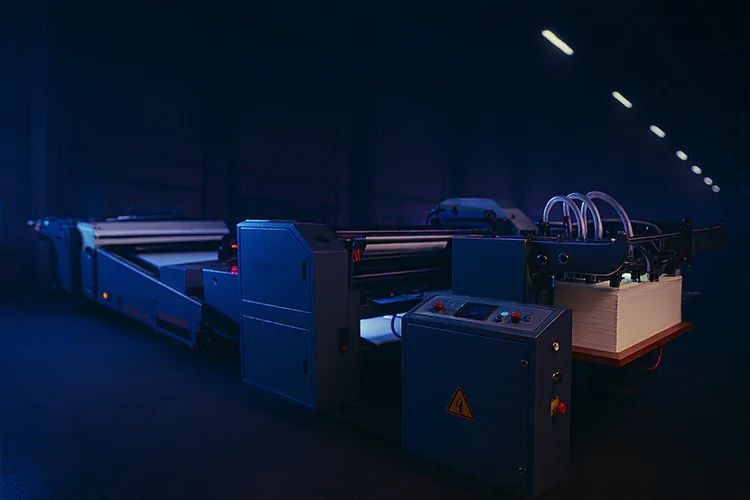
Coating machines are industrial systems designed to apply controlled layers of material onto surfaces to improve protection, performance, or appearance. These layers may include paints, powders, films, polymers, or specialized functional coatings. The concept exists because many base materials metals, plastics, glass, paper, textiles require surface enhancement to withstand corrosion, wear, heat, chemicals, or environmental exposure.
Over time, coating processes evolved from manual brushing and dipping to automated, precision-controlled machines. Modern coating machines enable uniform thickness, repeatability, and efficient material use across high-volume production. They are widely used in manufacturing environments where consistency, quality control, and surface performance are critical.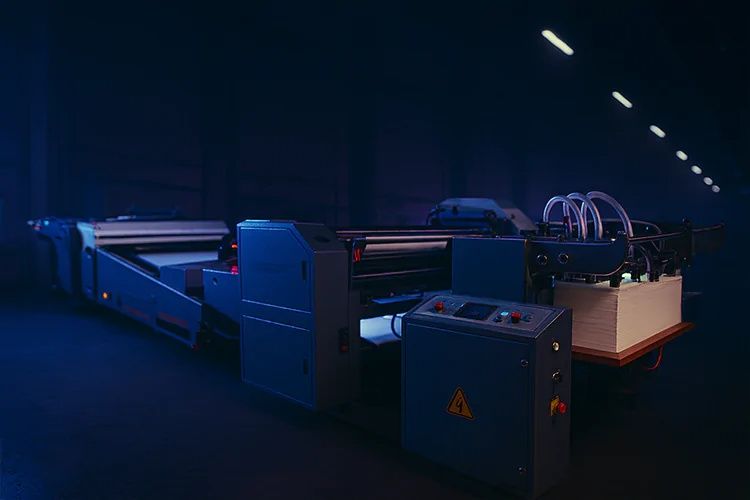
Why Coating Machines Matter Today
Coating machines play a central role in contemporary manufacturing and infrastructure. As products become more complex and performance expectations increase, surface treatment is no longer optional it is integral to product reliability and lifespan.
These machines matter because they address several practical challenges:
-
Protection against corrosion, oxidation, moisture, and abrasion
-
Enhancement of mechanical properties such as hardness and friction control
-
Improvement of visual finish, color uniformity, and surface texture
-
Support for electrical insulation or conductivity, depending on application
-
Compliance with durability and safety requirements across industries
Industries affected include automotive manufacturing, electronics, packaging, construction materials, consumer appliances, renewable energy components, and medical equipment production. Automated coating equipment reduces variability caused by manual processes and supports scalable production with predictable outcomes.
From a broader perspective, coating machines also contribute to sustainability goals by improving product longevity and reducing material waste through precise application control.
Recent Updates and Industry Trends
In the past year, coating machine technology has continued to advance, driven by automation, digital control, and environmental considerations.
Key developments observed during 2024–2025 include:
-
Increased adoption of automated coating machines with PLC and CNC integration for higher precision
-
Growing use of powder coating equipment to reduce solvent-based emissions
-
Expansion of thin-film and PVD coating machines for electronics and advanced materials
-
Integration of real-time thickness measurement sensors and vision systems
-
Enhanced energy-efficiency features in curing and drying units
-
Wider implementation of data logging and predictive maintenance analytics
Manufacturers are also focusing on flexible systems capable of handling multiple coating materials and substrates within a single production line. This adaptability supports changing product designs and shorter manufacturing cycles.
Laws, Regulations, and Policy Considerations
Coating machines operate within regulatory frameworks related to workplace safety, environmental protection, and industrial compliance. While specific rules vary by country, several common principles apply.
Key regulatory considerations include:
-
Occupational safety standards governing machine guarding, ventilation, and operator protection
-
Environmental regulations addressing emissions, particulate control, and waste handling
-
Electrical and mechanical safety compliance for industrial equipment
-
Guidelines for handling chemicals, powders, or high-temperature curing processes
-
Documentation and inspection requirements for industrial machinery
In many regions, government initiatives encourage cleaner coating technologies, such as low-emission powder coating systems and energy-efficient curing solutions. Compliance ensures safer operations and alignment with national manufacturing and sustainability objectives.
Tools, Resources, and Supporting Technologies
Understanding and operating coating machines effectively is supported by a range of technical tools and reference resources.
Helpful resources include:
-
Coating thickness gauges for quality verification
-
Process simulation software for coating uniformity planning
-
PLC and HMI interfaces for machine control and monitoring
-
Industrial automation platforms for line integration
-
Material compatibility charts for substrate and coating selection
-
Maintenance checklists and inspection templates
-
Environmental monitoring tools for temperature, humidity, and airflow
These tools assist engineers, technicians, and production planners in maintaining consistent coating performance and reducing operational variability.
How Coating Machines Work in Practice
Although designs vary, most coating machines follow a structured operational flow.
-
Surface preparation removes contaminants and improves adhesion
-
Coating material is applied through spraying, dipping, rolling, or deposition
-
Thickness and coverage are controlled through calibrated settings
-
Curing or drying solidifies the coating layer
-
Inspection verifies finish quality and adherence to specifications
Automation ensures repeatability and reduces dependency on manual adjustments, especially in high-volume production environments.
Table: Common Types of Coating Machines and Applications
| Coating Machine Type | Typical Coating Method | Common Application Areas |
|---|---|---|
| Spray Coating Machine | Liquid spray deposition | Automotive panels, appliances |
| Powder Coating Equipment | Electrostatic powder application | Metal components, frames |
| Roll Coating Machine | Continuous roller transfer | Sheets, films, packaging |
| Dip Coating Machine | Immersion-based coating | Wires, small parts |
| PVD Coating Machine | Vacuum-based thin-film deposition | Electronics, tools |
Practical Insights and Usage Considerations
Effective use of coating machines depends on process control and regular evaluation. Some practical insights include:
-
Matching coating type to substrate material properties
-
Maintaining stable environmental conditions during application
-
Calibrating nozzles, rollers, or deposition heads regularly
-
Monitoring curing temperature and dwell time closely
-
Recording process parameters for repeat production runs
-
Inspecting coated surfaces for adhesion and uniformity
These practices support consistent quality and reduce rework or material loss.
Frequently Asked Questions
What is the primary purpose of a coating machine?
A coating machine applies a controlled layer of material to a surface to improve protection, functionality, or appearance while ensuring uniformity and repeatability.
Which industries commonly use coating machines?
They are widely used in automotive, electronics, construction materials, packaging, consumer goods, and industrial manufacturing sectors.
How do automated coating machines improve consistency?
Automation controls parameters such as speed, thickness, and application pattern, reducing variability caused by manual operation.
What factors influence coating quality?
Surface preparation, material compatibility, environmental conditions, machine calibration, and curing parameters all affect final coating quality.
Are coating machines adaptable to different materials?
Many modern systems are designed to handle multiple substrates and coating types with configuration changes and tooling adjustments.
Visual Overview: Coating Process Stages
| Stage | Purpose | Key Control Point |
|---|---|---|
| Preparation | Surface cleaning and activation | Cleanliness level |
| Application | Coating layer deposition | Thickness uniformity |
| Curing | Solidification and bonding | Temperature and time |
| Inspection | Quality verification | Adhesion and finish |
Conclusion
Coating machines are essential tools in modern manufacturing, enabling surfaces to meet functional, aesthetic, and durability requirements. From basic spray systems to advanced PVD coating machines, these technologies support product performance across a wide range of industries.
Their importance continues to grow as manufacturers seek precision, efficiency, and compliance with environmental and safety standards. Recent advancements highlight a shift toward automation, digital monitoring, and cleaner coating methods.
By understanding how coating machines work, the regulatory environment they operate in, and the tools that support them, stakeholders can better appreciate their role in industrial production. Coating machines remain a foundational element in transforming raw materials into reliable, long-lasting products.