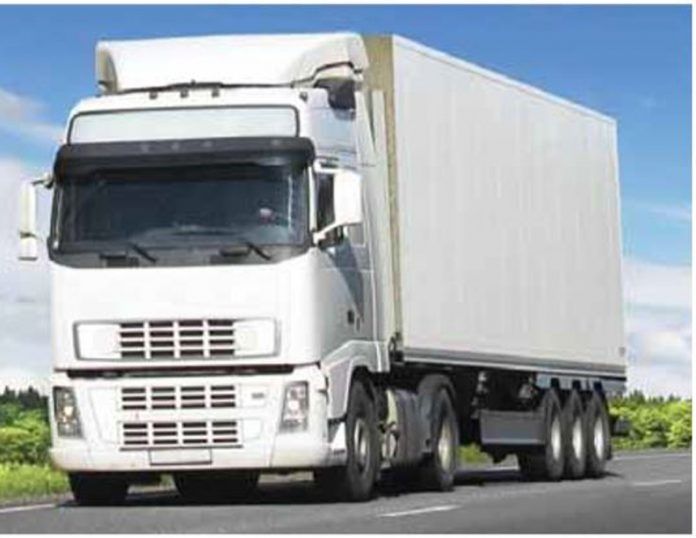
Cold chain transport refers to the controlled movement of temperature-sensitive products across different stages of storage and transportation. It exists to preserve product quality, safety, and effectiveness from the point of origin to the final destination. This system relies on maintaining specific temperature ranges throughout handling, storage, and transit.
The concept developed as global trade expanded and demand grew for safe delivery of perishable items such as food, pharmaceuticals, biological materials, and chemicals. Traditional transport methods were insufficient for products that degrade when exposed to heat, humidity, or temperature fluctuations. Cold chain transport emerged to solve this challenge by using insulated packaging, refrigerated vehicles, monitoring systems, and standardized handling procedures.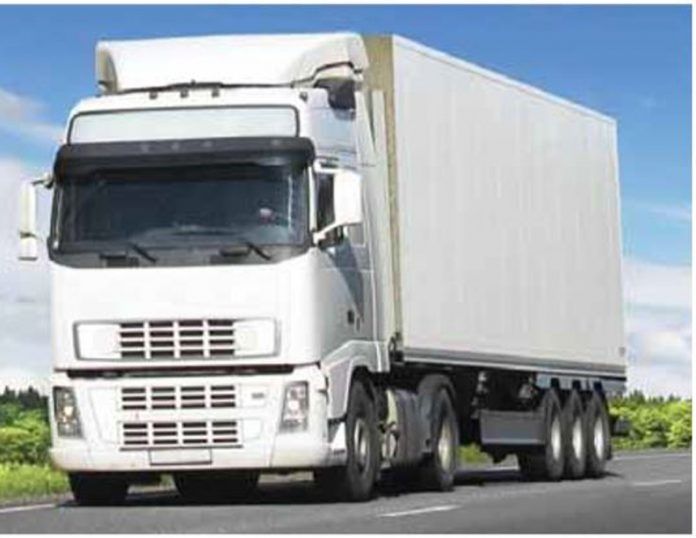 Over time, cold chain logistics evolved from basic refrigeration to integrated, technology-driven networks that ensure consistent temperature control across long distances and multiple transit points.
Why Cold Chain Transport Matters in Today’s World
Cold chain transport plays a critical role in modern supply networks. It directly affects public health, food safety, international trade stability, and scientific research continuity. As consumption patterns change and global distribution networks grow, the importance of temperature-controlled transport continues to rise.
This system matters today because it:
-
Protects food products from spoilage and contamination
-
Preserves the integrity of vaccines, medicines, and medical samples
-
Supports international trade of perishables across long distances
-
Reduces product loss caused by temperature variation
-
Maintains compliance with safety and quality standards
-
Enables reliable distribution during seasonal or climate variations
Industries impacted by cold chain transport include agriculture, food processing, healthcare, biotechnology, chemicals, and research institutions. Without controlled transport, products may lose nutritional value, chemical stability, or functional effectiveness before reaching their destination.
Cold chain transport also addresses challenges such as uneven climate conditions, extended delivery timelines, and complex global distribution routes.
Recent Developments and Industry Trends
The past year has seen notable developments in cold chain transport, driven by technological advancement, sustainability awareness, and regulatory attention.
Key updates and trends include:
-
Increased adoption of digital temperature monitoring and data logging systems
-
Wider use of GPS-based tracking for real-time shipment visibility
-
Growth in energy-efficient refrigeration technologies
-
Integration of automation in cold storage and handling facilities
-
Rising focus on pharmaceutical cold chain compliance due to global health priorities
-
Expansion of cold chain infrastructure in emerging markets during 2024–2025
There has also been growing emphasis on predictive monitoring, where historical temperature data is analyzed to prevent future disruptions. Additionally, sustainable refrigeration solutions and lower-emission transport models are becoming more common in response to environmental concerns.
These developments indicate a shift toward smarter, more transparent, and environmentally conscious cold chain systems.
Regulatory Frameworks and Policy Influence
Cold chain transport is strongly influenced by national and international regulations. These policies exist to protect public health, ensure product safety, and maintain standardization across borders.
Common regulatory aspects include:
-
Food safety laws governing temperature control during storage and transport
-
Pharmaceutical handling guidelines specifying temperature ranges for drugs and vaccines
-
Import and export regulations requiring documented cold chain compliance
-
Quality assurance standards such as Good Distribution Practices (GDP)
-
Government programs supporting cold storage infrastructure development
-
Inspection and audit requirements for temperature-sensitive shipments
In countries like India, cold chain development is supported through agricultural and logistics-focused government initiatives aimed at reducing food loss and improving supply reliability. Globally, regulatory bodies require accurate temperature records and traceability throughout the transport process.
Compliance with these policies ensures safety, transparency, and trust across the supply chain.
Tools, Technologies, and Learning Resources
Cold chain transport relies on a combination of physical infrastructure and digital tools to maintain temperature stability and traceability.
Helpful tools and resources include:
-
Temperature data loggers for continuous monitoring
-
GPS tracking systems for shipment location visibility
-
Cold chain calculators for determining thermal packaging requirements
-
Digital dashboards for temperature history and alert management
-
Standard operating procedure templates for handling protocols
-
Compliance checklists aligned with regulatory standards
-
Packaging design guides for insulated containers
-
Risk assessment frameworks for route and climate analysis
These tools help organizations plan, monitor, and evaluate cold chain performance while reducing human error and improving response time during deviations.
Key Components of Cold Chain Transport
Cold chain transport functions through several interconnected components that work together to maintain temperature control.
Main elements include:
-
Pre-cooling at origin to stabilize product temperature
-
Refrigerated storage facilities with controlled environments
-
Insulated containers and packaging materials
-
Refrigerated trucks, rail cars, ships, or air cargo units
-
Continuous temperature monitoring during transit
-
Controlled unloading and transfer processes
Each component must perform reliably to prevent temperature breaks, which can compromise product quality.
Table: Common Temperature Ranges in Cold Chain Transport
| Product Category | Typical Temperature Range |
|---|---|
| Fresh fruits and vegetables | 0°C to 10°C |
| Dairy and frozen foods | -18°C to -25°C |
| Pharmaceuticals | 2°C to 8°C |
| Biotechnology samples | -20°C to -80°C |
| Chemicals and reagents | As specified by material guidelines |
Practical Knowledge, Advice, and Observational Insights
Cold chain transport efficiency improves when planning, monitoring, and documentation are aligned.
Helpful insights include:
-
Establishing temperature requirements before shipment planning
-
Validating packaging performance for expected transit duration
-
Monitoring temperature at multiple points, not just origin and destination
-
Training personnel in proper handling and transfer practices
-
Reviewing historical temperature data to identify risk patterns
-
Preparing contingency plans for delays or equipment failure
-
Coordinating closely between storage and transport stages
Maintaining consistency is more important than speed in cold chain operations. Even short exposure to unsuitable temperatures can result in irreversible damage.
Table: Common Cold Chain Risks and Mitigation
| Risk Factor | Potential Impact | Mitigation Approach |
|---|---|---|
| Temperature fluctuation | Product degradation | Continuous monitoring |
| Transit delay | Extended exposure | Route planning buffers |
| Equipment failure | Temperature loss | Preventive maintenance |
| Poor handling | Packaging breach | Training and SOPs |
Frequently Asked Questions
What is cold chain transport?
Cold chain transport is the temperature-controlled movement of perishable and sensitive products to preserve quality and safety.
Which products require cold chain transport?
Food items, pharmaceuticals, vaccines, biological samples, chemicals, and certain agricultural products commonly require controlled temperatures.
What happens if the cold chain is broken?
A temperature break can cause spoilage, reduced effectiveness, or safety risks, often making the product unusable.
How is temperature monitored during transport?
Temperature is monitored using data loggers, sensors, and digital tracking systems that record conditions throughout transit.
Why is documentation important in cold chain transport?
Documentation provides proof of compliance, supports quality assurance, and helps identify issues if deviations occur.
Conclusion
Cold chain transport is a foundational element of modern global supply systems. It ensures that temperature-sensitive products reach their destination in safe and effective condition, supporting public health, food security, and scientific progress. As supply chains expand and climate variability increases, reliable temperature control becomes even more essential.
Advances in monitoring technology, regulatory oversight, and infrastructure development continue to strengthen cold chain systems. Understanding how cold chain transport works from its purpose and importance to its tools and compliance requirements enables better planning, reduced loss, and improved trust across industries.
By focusing on consistency, transparency, and informed handling, cold chain transport remains a critical link connecting producers, distributors, and end users in today’s interconnected world.