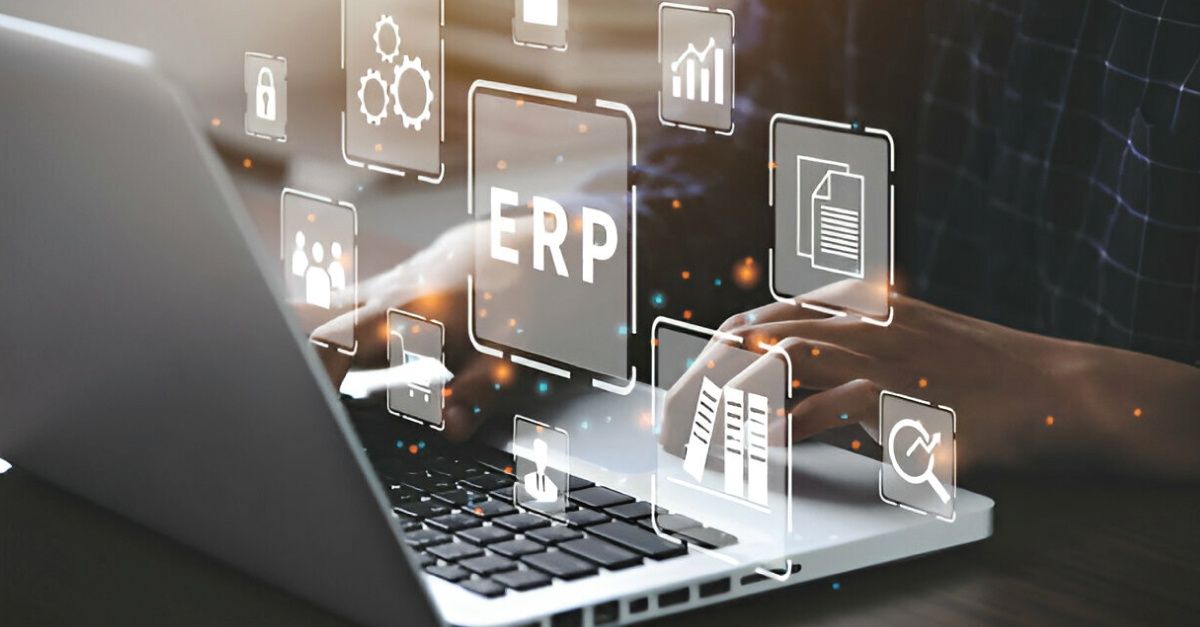
ERP platforms, also known as enterprise resource planning systems, are integrated software systems designed to manage and streamline core business processes. These systems bring together different functions such as finance, inventory, human resources, and operations into a single unified platform.
The concept of ERP software evolved from earlier systems that handled individual tasks separately. Over time, organizations needed a more connected approach to manage growing data and complex workflows. This led to the development of integrated business systems that could centralize information and improve coordination across departments.
Today, ERP platforms are widely used across industries to manage daily operations and long-term planning. By combining multiple processes into one system, they help reduce data duplication and improve visibility across business activities.
Importance
ERP platforms are important because they simplify how organizations manage information and processes. Instead of using separate tools for each function, enterprise resource planning systems allow different departments to work within a shared environment.
This has practical benefits for various stakeholders:
- Businesses can track operations more efficiently through centralized data
- Employees can access consistent information across departments
- Managers can make informed decisions based on real-time insights
ERP use cases are visible in everyday operations such as tracking inventory levels, managing employee records, and monitoring financial transactions. These systems help reduce errors caused by manual data handling and improve overall workflow coordination.
Business management software like ERP also supports scalability. As organizations grow, integrated systems can adapt to increased data and operational complexity without requiring separate tools for each process.
ERP Modules and Functions
ERP platforms are built using different modules, each designed to handle a specific business function. These modules work together within the same system.
Finance and Accounting Module
This module manages financial data, including transactions, reporting, and budgeting. It helps maintain accuracy in financial records.
Inventory and Supply Chain Module
This module tracks stock levels, orders, and movement of goods. It plays a key role in managing the flow of materials.
Human Resource Module
The HR module handles employee information, attendance, and payroll processes. It centralizes workforce data.
Sales and Customer Management Module
This module supports order tracking, customer data management, and sales analysis. It helps maintain organized records of business interactions.
Production and Operations Module
This module focuses on manufacturing processes, scheduling, and operational planning. It ensures smooth coordination in production environments.
ERP Use Cases
ERP use cases vary across industries and organizational sizes. These systems are designed to support different types of operations.
Small and Medium Businesses
In smaller organizations, ERP solutions for businesses help manage accounting, inventory, and basic operations within one platform. This reduces reliance on multiple disconnected tools.
Manufacturing Sector
Manufacturers use ERP platforms to track production processes, manage raw materials, and monitor supply chains. This helps maintain efficiency and consistency.
Retail and Distribution
In retail environments, ERP systems support inventory tracking, order processing, and customer management. They help ensure that products are available and properly managed.
Service-Oriented Organizations
Organizations that focus on operations and project-based activities use ERP systems to manage scheduling, resources, and internal coordination.
ERP Implementation Process
The ERP implementation process involves several stages to ensure successful integration into an organization.
Planning Phase
During planning, organizations identify their needs and define system requirements. This step ensures that the chosen ERP software aligns with business goals.
Configuration Phase
The system is configured based on organizational processes. ERP modules are adjusted to match operational workflows.
Data Migration
Existing data is transferred into the new system. This step requires careful validation to maintain accuracy.
Testing and Deployment
The system is tested to ensure functionality and reliability before full deployment. Once verified, it is introduced into daily operations.
Training and Adaptation
Users are trained to work with the new system. This phase helps ensure smooth adoption across departments.
Comparison of ERP Deployment Types
| Deployment Type | Description | Flexibility | Maintenance Responsibility |
|---|---|---|---|
| On-Premise ERP | Installed on local servers | Moderate | Managed internally |
| Cloud ERP Systems | Hosted on remote servers | High | Managed by provider |
| Hybrid ERP | Combination of both models | Flexible | Shared responsibility |
Recent Updates
ERP platforms continue to evolve with advancements in technology. One major trend is the increasing adoption of cloud ERP systems, which allow access to data from multiple locations.
Automation and data analytics are also becoming more integrated into enterprise resource planning systems. These features help organizations process large volumes of data and generate insights more efficiently.
Another development is the use of artificial intelligence within ERP software. This allows systems to identify patterns, improve forecasting, and assist in decision-making processes.
Overall, the trend is toward more flexible, scalable, and data-driven ERP solutions for businesses.
Laws or Policies
ERP platforms are influenced by data protection and compliance regulations, especially when handling sensitive business information.
Data Protection Regulations
Organizations must ensure that ERP systems comply with data privacy laws. This includes protecting personal and financial data stored within the system.
Financial Reporting Standards
ERP software must align with accounting standards and reporting requirements. This ensures accurate and consistent financial documentation.
Industry-Specific Compliance
Certain industries require additional compliance measures. ERP systems must be configured to meet these regulatory requirements.
These policies help ensure that enterprise resource planning systems operate within legal and ethical boundaries.
Tools and Resources
Various tools and resources support the use and understanding of ERP platforms.
ERP Software Platforms
Different ERP software options provide modules for finance, inventory, and operations. These platforms form the core of integrated business systems.
Data Management Tools
These tools help organize, analyze, and maintain large volumes of data within ERP systems.
Workflow Automation Tools
Automation tools assist in reducing manual tasks and improving efficiency within ERP modules.
Training and Documentation
Guides, manuals, and structured learning materials help users understand ERP implementation process and system usage.
FAQs
What are ERP platforms and how do they work?
ERP platforms are integrated systems that manage multiple business processes within a single framework. They work by centralizing data and allowing different departments to access shared information.
What are common ERP use cases in businesses?
ERP use cases include inventory management, financial tracking, human resource management, and supply chain coordination across various industries.
What is the ERP implementation process?
The ERP implementation process involves planning, system configuration, data migration, testing, and user training to ensure smooth adoption.
What are cloud ERP systems?
Cloud ERP systems are hosted on remote servers and can be accessed through the internet, allowing flexibility and remote access to business data.
Why are ERP modules important in enterprise resource planning systems?
ERP modules allow different business functions to operate within a unified system, improving coordination and data accuracy.
Conclusion
ERP platforms play a central role in modern business operations by integrating multiple processes into a single system. They help improve efficiency, reduce data fragmentation, and support informed decision-making. Understanding ERP modules, use cases, and implementation processes provides insight into how these systems function. As technology evolves, ERP platforms continue to adapt to changing business needs.