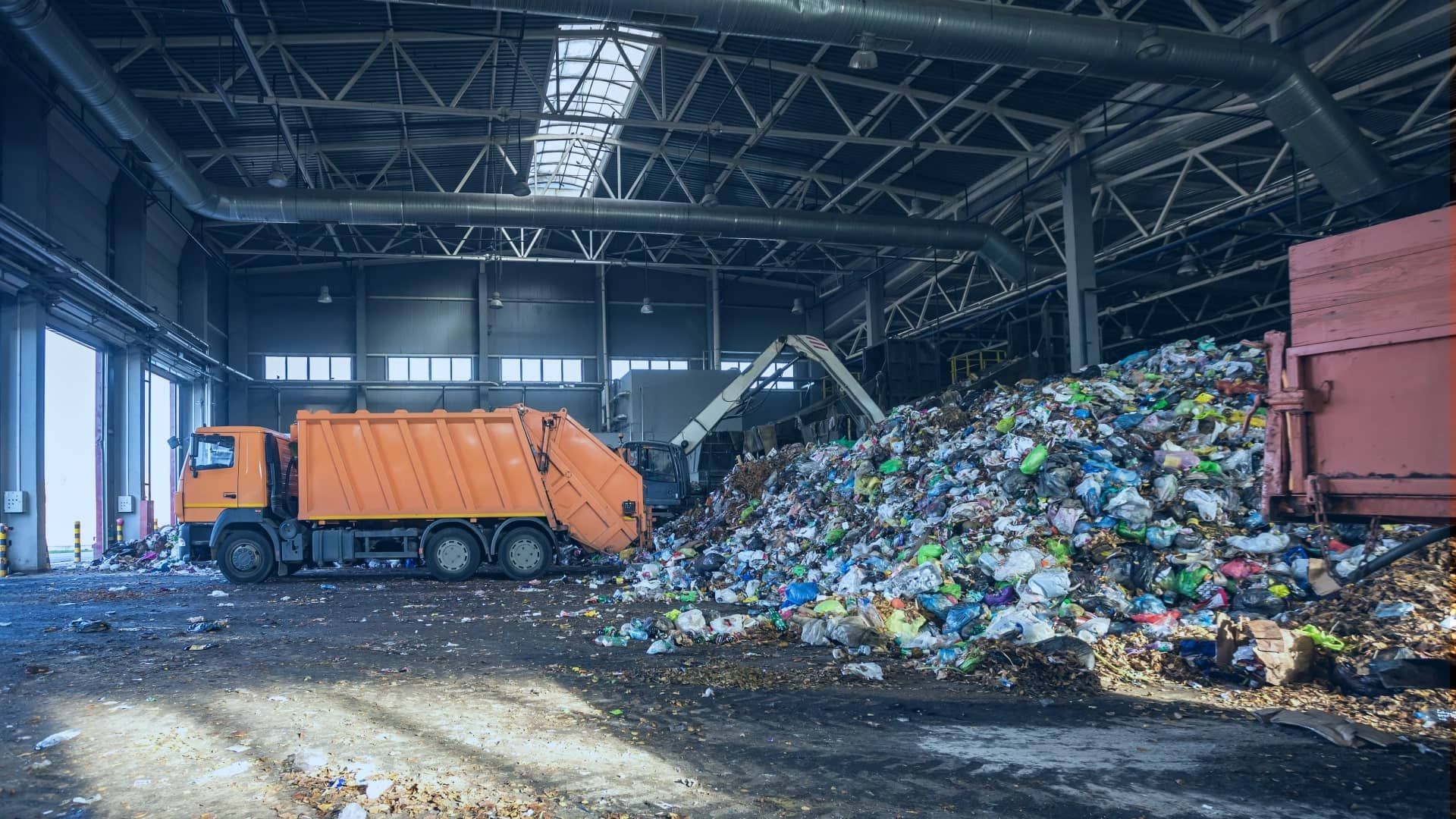
Factory waste management refers to the structured handling, treatment, reduction, and monitoring of waste generated during manufacturing and industrial processes. As factories convert raw materials into finished goods, they produce by-products such as solid waste, liquid effluents, emissions, and hazardous residues. Waste management systems exist to ensure these outputs are handled responsibly, safely, and efficiently.
Historically, industrial waste was often disposed of without systematic planning. Over time, environmental impact, public health concerns, and regulatory oversight led to the development of formal waste management practices. Today, factory waste management focuses not only on disposal but also on waste reduction, segregation, reuse, and data-driven monitoring.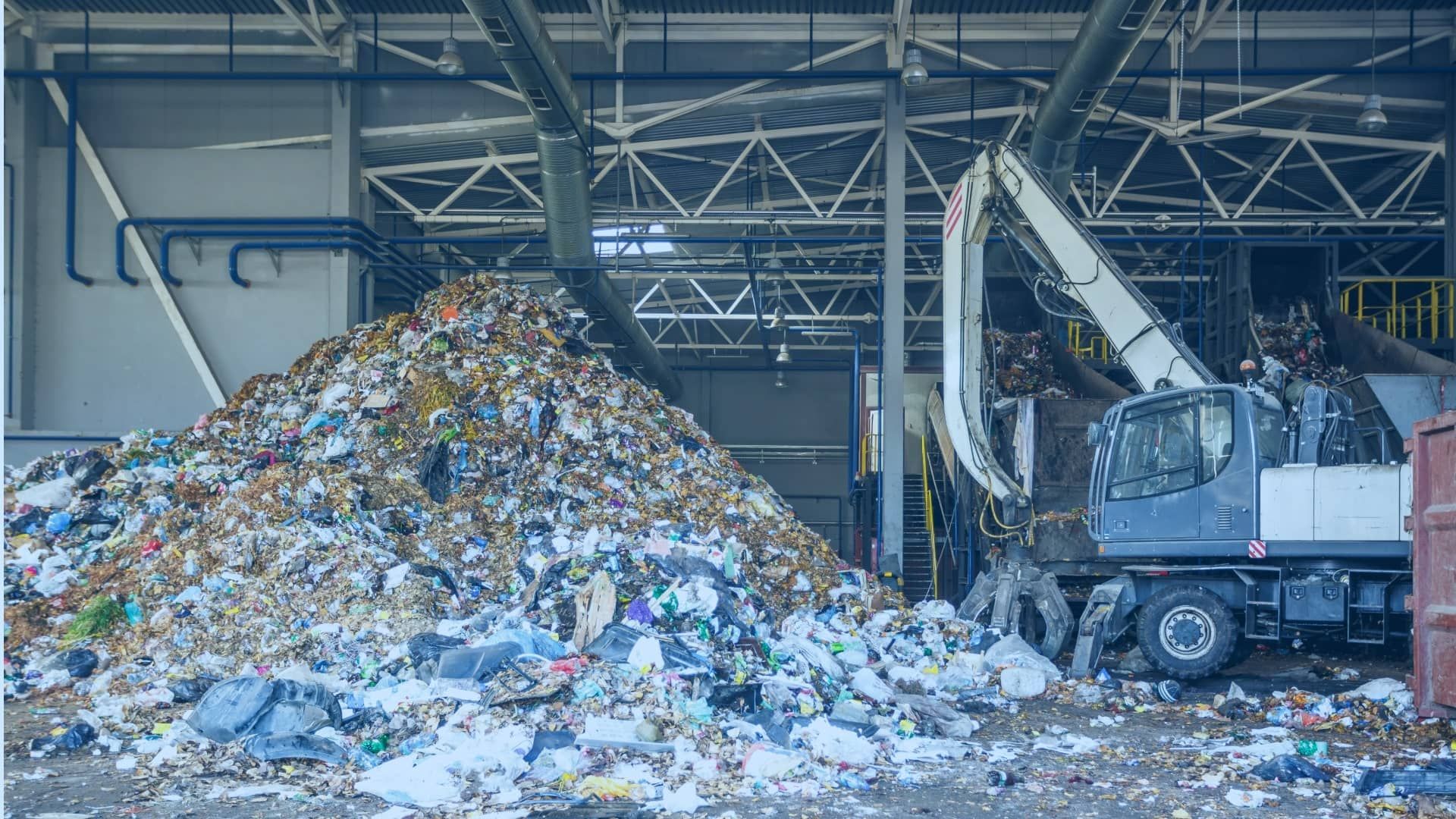
Modern manufacturing environments require organized waste handling to support operational continuity, environmental responsibility, and compliance awareness. Factory waste management solutions therefore act as a bridge between industrial productivity and sustainable operations.
Why Factory Waste Management Matters Today
Industrial growth has increased the volume and complexity of waste produced by factories. Waste streams now include chemical residues, packaging materials, wastewater, scrap metals, plastics, electronic components, and process sludge. Managing these outputs responsibly has become a priority across industries.
Factory waste management matters because it:
-
Reduces environmental pollution affecting air, soil, and water
-
Protects worker health and surrounding communities
-
Supports efficient use of raw materials through recovery and recycling
-
Improves factory cleanliness and operational safety
-
Helps industries track and control waste generation patterns
-
Encourages long-term sustainability planning
This topic affects manufacturers, supply chain operators, environmental planners, facility managers, and policy makers. It also addresses challenges such as uncontrolled waste accumulation, compliance gaps, inefficient material usage, and environmental degradation.
In many cases, effective waste management helps factories understand where inefficiencies occur in production. Excess waste often signals process losses, overuse of materials, or outdated methods. Addressing waste at its source improves overall operational discipline.
Recent Developments and Industry Trends
Over the past year, factory waste management has continued to evolve with greater focus on monitoring, traceability, and circular practices. Several notable trends have shaped the field:
-
Increased use of digital waste tracking platforms to record waste volumes and categories
-
Adoption of data analytics to identify waste hotspots within production lines
-
Expansion of on-site segregation systems for better material classification
-
Growing focus on circular economy models where industrial by-products are reused
-
Integration of environmental reporting into factory management dashboards
-
Higher emphasis on wastewater monitoring and treatment efficiency
In 2024 and early 2025, many manufacturing regions emphasized improved reporting and transparency. Environmental data collection, waste audits, and periodic disclosure have become more structured. Technology-driven monitoring now supports real-time visibility into waste streams, replacing manual logs in many facilities.
These updates reflect a shift from reactive disposal toward preventive and analytical waste management practices.
Laws, Regulations, and Policy Considerations
Factory waste management operates within regulatory frameworks designed to protect the environment and public health. While specific laws vary by country, common regulatory themes are widely observed.
Key regulatory areas include:
-
Classification of industrial waste into hazardous and non-hazardous categories
-
Mandatory waste segregation and labeling requirements
-
Guidelines for storage, handling, and transport of industrial waste
-
Wastewater discharge standards and effluent quality monitoring
-
Air emission limits linked to production processes
-
Record-keeping and reporting obligations for waste generation
-
Periodic inspections and environmental compliance assessments
In countries like India, industrial waste is governed through environmental protection rules, pollution control board guidelines, and sector-specific notifications. Factories are expected to align with state and central environmental authorities, submit waste data, and maintain treatment and monitoring systems.
Policies increasingly encourage waste minimization, material recovery, and resource efficiency rather than end-point disposal alone. Regulatory oversight has therefore become a driver for structured waste management planning.
Tools, Technologies, and Practical Resources
Effective factory waste management relies on a combination of physical systems and digital tools. These resources help facilities understand, monitor, and optimize waste handling processes.
Commonly used tools and resources include:
-
Waste segregation bins with color-coded identification
-
Industrial weighing systems for waste measurement
-
Digital waste tracking software and dashboards
-
Environmental monitoring sensors for effluents and emissions
-
Process flow mapping tools to identify waste generation points
-
Waste audit templates for internal reviews
-
Material balance calculators for production analysis
-
Documentation systems for regulatory reporting
-
Training manuals for shop-floor waste handling awareness
Digital tools now play a growing role. Dashboards allow managers to visualize waste trends by department, time period, or material type. This visibility supports informed decision-making and continuous improvement.
Table: Common Types of Factory Waste
| Waste Category | Typical Source | Management Focus |
|---|---|---|
| Solid Waste | Packaging, scrap, rejects | Segregation and recovery |
| Liquid Effluent | Process water, cleaning fluids | Treatment and monitoring |
| Hazardous Waste | Chemicals, solvents, residues | Controlled handling |
| E-waste | Sensors, control panels | Safe storage and routing |
| Air Emissions | Combustion, processing | Emission monitoring |
Practical Insights and Observations
Successful waste management systems are built on consistency and awareness rather than one-time actions. Factories that perform well in this area usually integrate waste thinking into daily operations.
Helpful insights include:
-
Mapping waste generation points alongside production steps
-
Assigning clear responsibility for waste handling zones
-
Reviewing waste data regularly instead of annually
-
Aligning waste categories with production material inputs
-
Training staff to recognize waste as a process indicator
-
Maintaining clear signage and documentation on the shop floor
-
Comparing waste trends across shifts and seasons
Factories that treat waste data as operational intelligence often identify opportunities for process optimization and material efficiency.
Frequently Asked Questions
What is factory waste management?
It is the organized handling, treatment, monitoring, and reduction of waste produced during manufacturing activities.
Why is waste segregation important in factories?
Segregation helps prevent contamination, improves recovery potential, and ensures safer handling of different waste types.
Does waste management only focus on disposal?
No. Modern approaches emphasize reduction, monitoring, reuse, and process optimization before disposal.
How does digital monitoring support waste management?
Digital systems provide real-time data, trend analysis, and visibility into waste generation patterns, supporting better decisions.
Who is responsible for waste management within a factory?
Responsibility is usually shared among environmental teams, production managers, and facility supervisors under defined roles.
Conclusion
Factory waste management solutions play a vital role in modern industrial operations. They help factories manage the environmental footprint of production while improving internal efficiency and awareness. As waste streams become more complex, structured systems and digital monitoring have become essential.
The evolution of waste management shows a clear transition from basic disposal toward data-informed planning and prevention. Regulations, technology, and operational discipline now work together to shape responsible industrial behavior.
By understanding waste types, tracking generation patterns, and applying consistent management practices, factories can maintain cleaner operations, support environmental goals, and strengthen long-term resilience. Factory waste management is no longer a peripheral activity; it is an integral part of informed and responsible manufacturing.