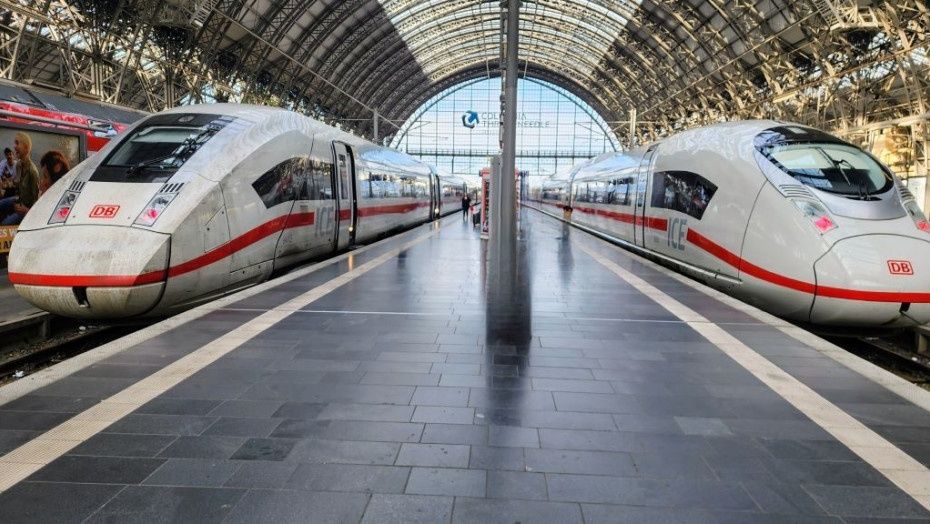
Traveling through Germany by train offers an efficient, scenic, and eco-friendly way to explore the country. From major cities like Berlin and Munich to quaint villages in Bavaria or the Rhine Valley, the German rail network provides a comfortable and comprehensive travel experience. This guide introduces how train travel works in Germany, highlights current trends, explains ticketing options, and offers tips to help you plan your journey smoothly
Germany's train system is one of the most advanced in Europe. Operated primarily by Deutsche Bahn (DB), the national rail company, the network connects urban centers, small towns, and neighboring countries. Train travel has long been a preferred method for both locals and tourists due to its convenience, punctuality, and wide reach.
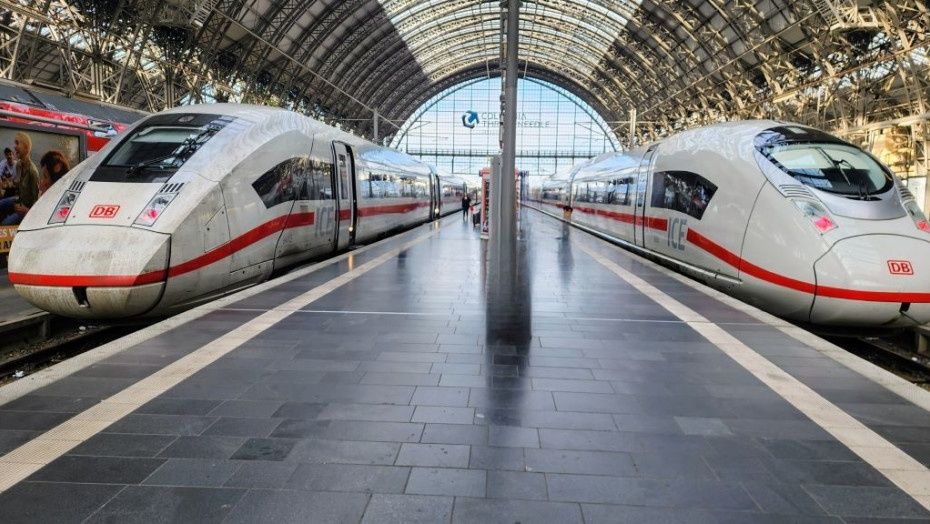
There are several train categories to know:
-
ICE (InterCity Express): High-speed trains connecting major cities with speeds up to 300 km/h.
-
IC/EC (InterCity/EuroCity): Long-distance trains with slightly more stops than ICE.
-
RE/RB (Regional Express/RegionalBahn): Slower trains that stop at smaller towns and regional destinations.
-
S-Bahn: Local commuter trains serving metropolitan areas.
Why Train Travel in Germany Matters Today
With increasing emphasis on sustainable travel and reducing carbon emissions, rail travel has become even more relevant in 2025. Germany’s trains offer:
-
Environmentally friendly transport
-
Cost-effective alternatives to flights or car rentals
-
Reliable service for both short and long distances
-
Direct access to city centers, unlike airports
It is especially useful for international travelers looking to explore multiple regions without the stress of navigating foreign roads or airport transfers. Train stations are usually centrally located, making onward travel simple.
This mode of travel also supports Germany’s climate goals. As of 2024, 60% of Deutsche Bahn’s electricity usage comes from renewable sources, with targets set to reach 80% by 2030.
Recent Updates
Germany has made several notable updates to its rail travel system in the last year:
-
Deutschland-Ticket (Germany Ticket): Introduced in May 2023, this flat-rate monthly ticket allows unlimited travel on all regional and local public transport for €49/month. It’s available as a digital-only subscription and continues into 2025.
-
Digital Services Expansion: The DB Navigator app now includes multilingual support, real-time train tracking, digital tickets, and live platform updates.
-
New Routes and Renovations: In 2024, ICE routes between Hamburg–Berlin and Stuttgart–Munich were upgraded to reduce travel times by up to 20 minutes. More upgrades are planned through 2026.
-
Night Trains Return: The demand for sustainable long-distance travel has revived night train routes, including connections to cities like Vienna, Zurich, and Paris.
These updates reflect a broader European trend of investing in rail travel as a viable, green alternative to air travel.
Rail Travel Laws and Policies in Germany
While Germany encourages rail use, there are several regulations travelers should be aware of:
-
Ticket Validation: Some local and regional train services require you to stamp your ticket before boarding. Fines apply for unvalidated tickets.
-
Deutschland-Ticket Rules: This pass is only valid on local and regional trains (RE, RB, S-Bahn, trams, buses) and not on long-distance trains like ICE or IC.
-
Seat Reservations: Optional on most trains, but recommended for ICE and IC trains, especially during weekends or holidays.
-
Children and Seniors: Children under 6 travel free. Kids aged 6–14 travel free when accompanied by an adult. Senior discounts are available with BahnCard options.
-
Bicycles: Permitted on many regional trains, but you may need a bike ticket and to use designated cars.
Germany’s rail policies are designed to ensure fair access, environmental sustainability, and passenger safety. Always check route-specific rules before traveling.
Useful Tools and Resources
To make your train journey in Germany smoother, here are some essential resources:
| Tool / Resource | Description |
|---|---|
| DB Navigator App | Official Deutsche Bahn app for booking tickets, checking schedules, and platform info |
| bahn.com | Official website for train times, prices, and planning international routes |
| Deutsche Bahn Timetable PDF | Downloadable schedules for offline access |
| Rail Europe | Partner site that helps international travelers book German and European train tickets |
| Google Maps | Integrates German train schedules and platform info for easy navigation |
| Seat61.com | Independent guide to European train travel, including tips and route maps |
Common Train Travel FAQs in Germany
Is it cheaper to book German train tickets in advance?
Yes. Booking in advance, especially for ICE and IC trains, can save up to 50%. “Super Sparpreis” and “Sparpreis” fares are limited, so it’s better to book early.
Can tourists buy the Deutschland-Ticket?
Yes, but it’s designed as a monthly subscription, not a flexible tourist pass. If you're visiting for a short time, consider the German Rail Pass instead.
What is the German Rail Pass?
The German Rail Pass offers unlimited travel on all Deutsche Bahn trains, including ICE and IC, for 3 to 15 consecutive or flexible days. Only non-EU residents can purchase it.
Do I need to reserve seats in Germany?
Not always, but it’s recommended for ICE and IC trains, especially during peak travel times. Seat reservations cost around €4.90 per person.
Are train announcements in English?
At major stations and on most ICE trains, announcements are made in both German and English. The DB Navigator app also provides English language support.
Suggested Routes for First-Time Travelers
If you're exploring Germany for the first time, here are a few popular train routes worth considering:
| Route | Highlights | Travel Time |
|---|---|---|
| Berlin – Munich (ICE) | Capital to Bavaria, mix of history, tech, and tradition | ~4 hours |
| Frankfurt – Cologne | Rhine views, business hubs, Gothic Cathedral | ~1 hour |
| Hamburg – Berlin | Port city to capital, vibrant art and food scenes | ~2 hours |
| Munich – Füssen | Neuschwanstein Castle and Alps access | ~2 hours |
| Frankfurt – Heidelberg | Romantic cityscapes and old town charm | ~1 hour |
Final Tips for Train Travel in Germany
-
Plan Your Trip: Use the DB Navigator app or Bahn.com to check schedules and ticket options in advance.
-
Avoid Rush Hours: Trains are busiest between 7–9 AM and 4–6 PM on weekdays.
-
Travel Light: Platforms may not always have elevators or escalators. Compact luggage helps.
-
Carry Essentials: Snacks, water, and entertainment especially for longer journeys.
-
Validate Tickets: Especially for paper or regional train tickets.
Train travel in Germany combines modern infrastructure with scenic landscapes and cultural access. Whether you're visiting for business, leisure, or both, understanding how the rail system works can save time, reduce stress, and enrich your experience.